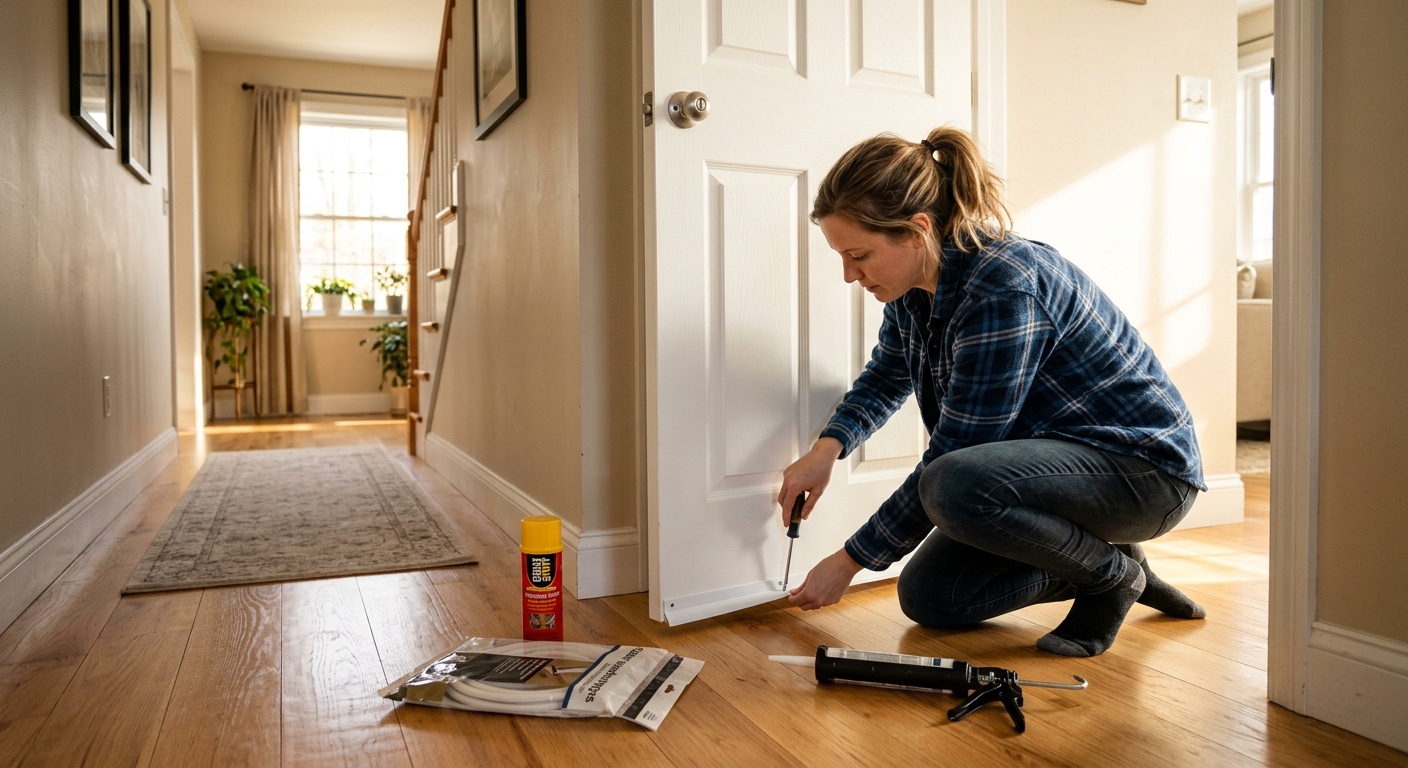
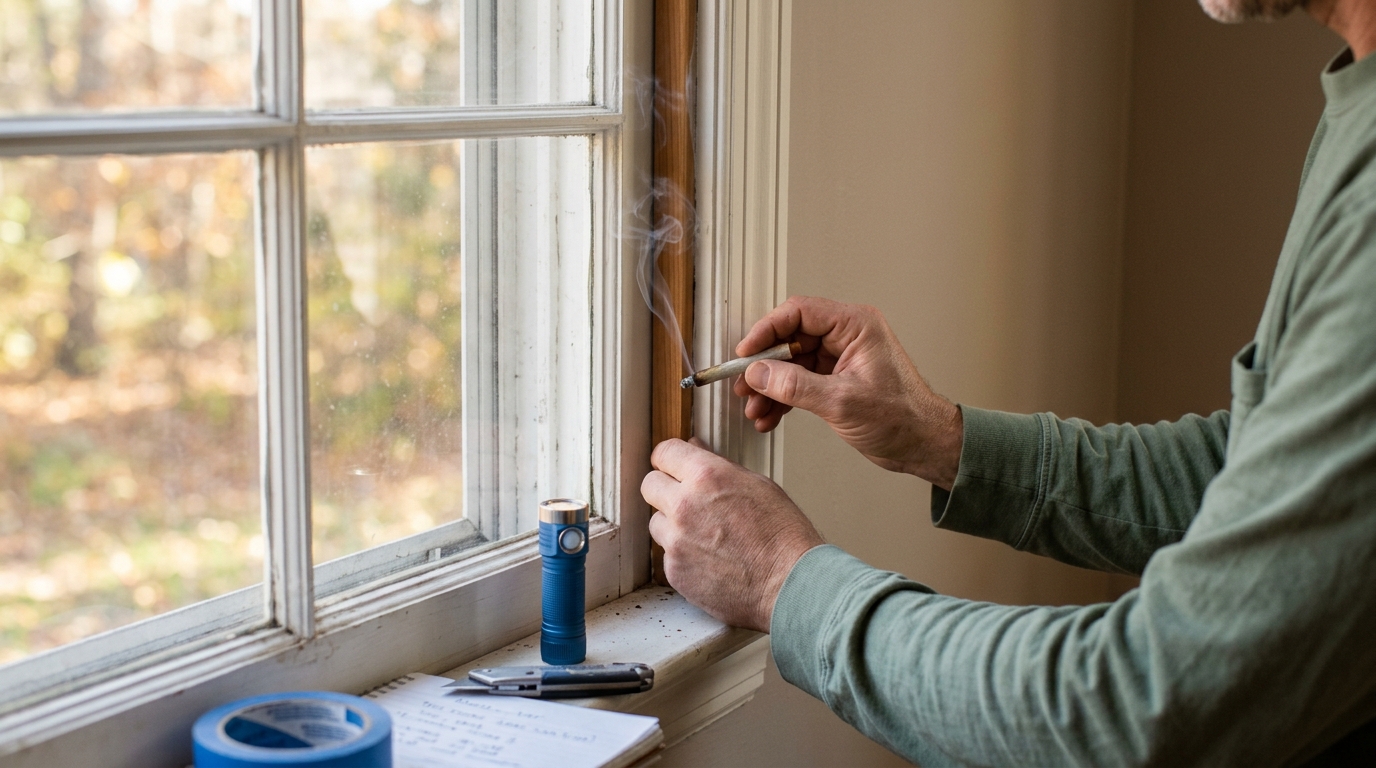
Drafts aren’t just annoying – they’re quietly draining 20 to 30% of your heating and cooling budget through gaps you can’t always see. A single weekend of air sealing with basic materials can eliminate most of them and pay back the investment in as little as 60 days.
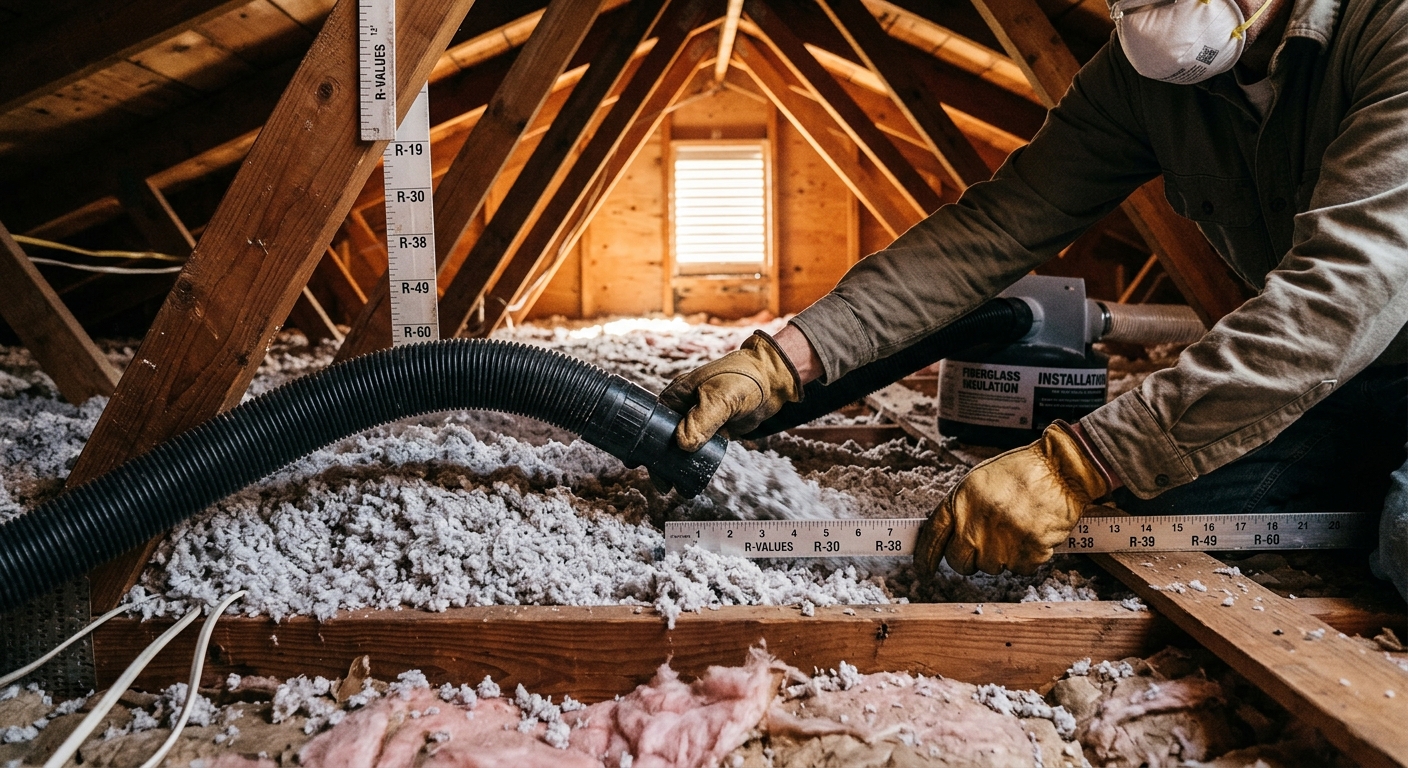
Most homes are under-insulated by 30 to 50%, and homeowners often have no idea what R-value they actually need for their climate. This guide breaks down DOE-recommended R-values by zone and shows you exactly how to close the gap, whether you rent, own, or are working with a tight budget.
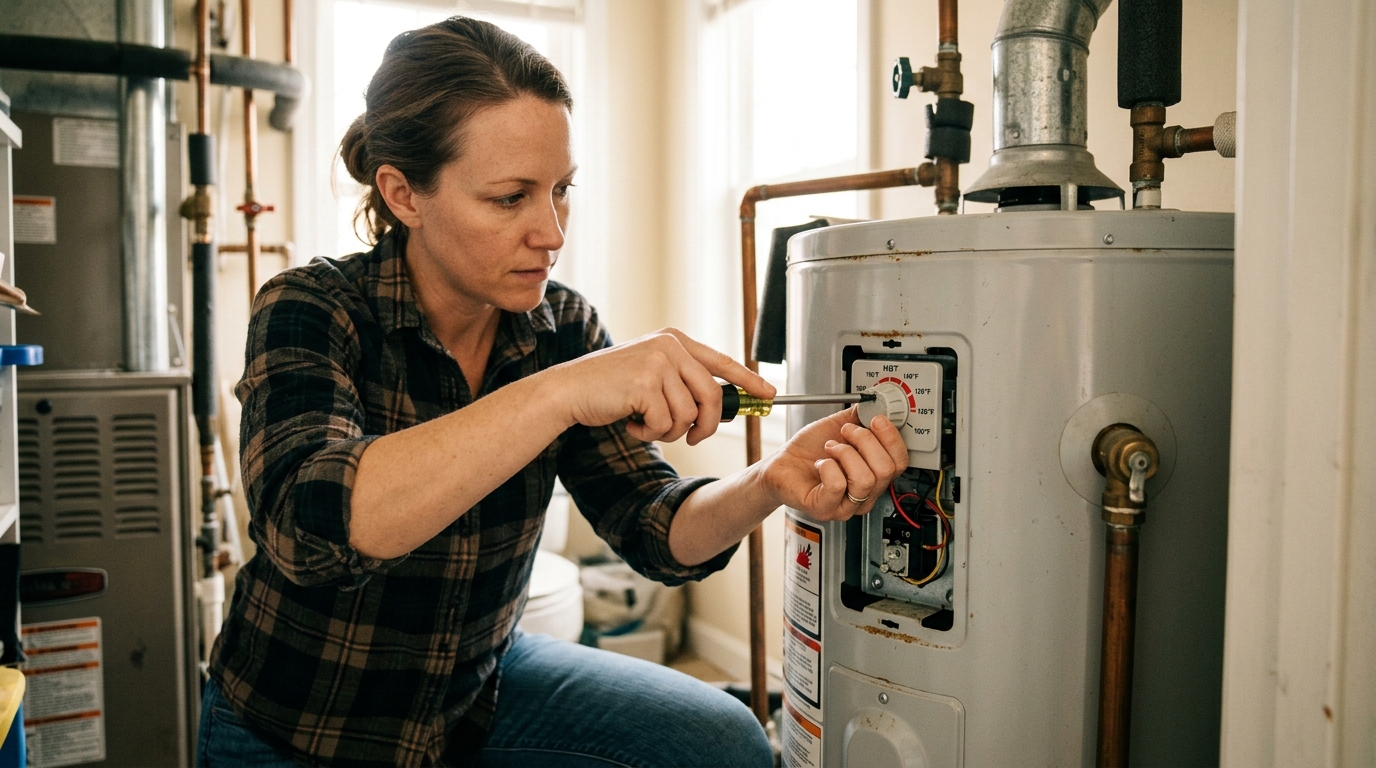
Your water heater likely shipped from the factory set to waste money, and most homeowners never open the access panel to change it. Adjusting five key settings can cut water heating costs by 15 to 35% with nothing more than a screwdriver and 30 minutes.
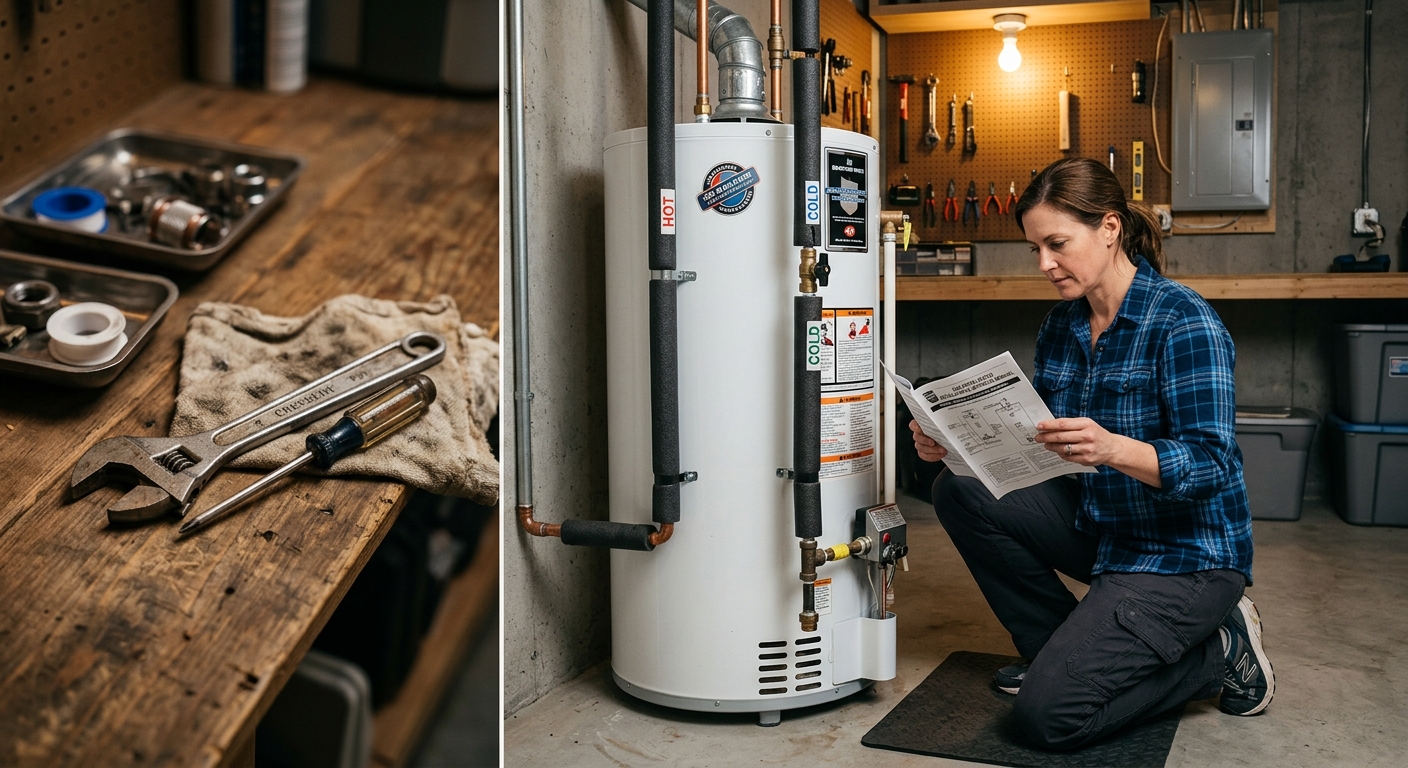
Running out of hot water mid-shower is frustrating, but a new water heater is rarely the first answer. With a few targeted adjustments and low-cost upgrades, most homeowners can dramatically increase their usable hot water supply without spending thousands.
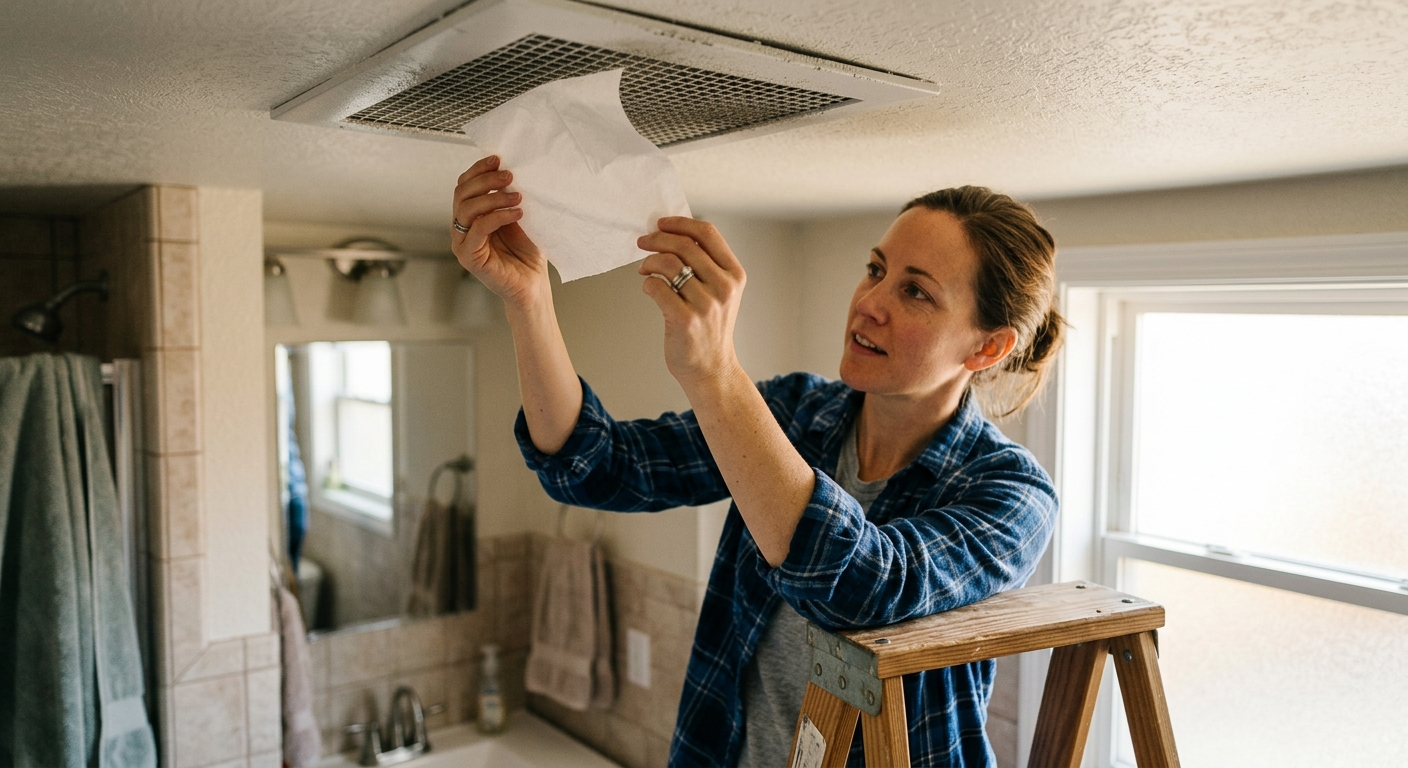
Poor ventilation is one of the most overlooked causes of high energy bills, health problems, and moisture damage in homes. This guide shows you how to diagnose your home’s ventilation in under an hour and fix the most common problems yourself.
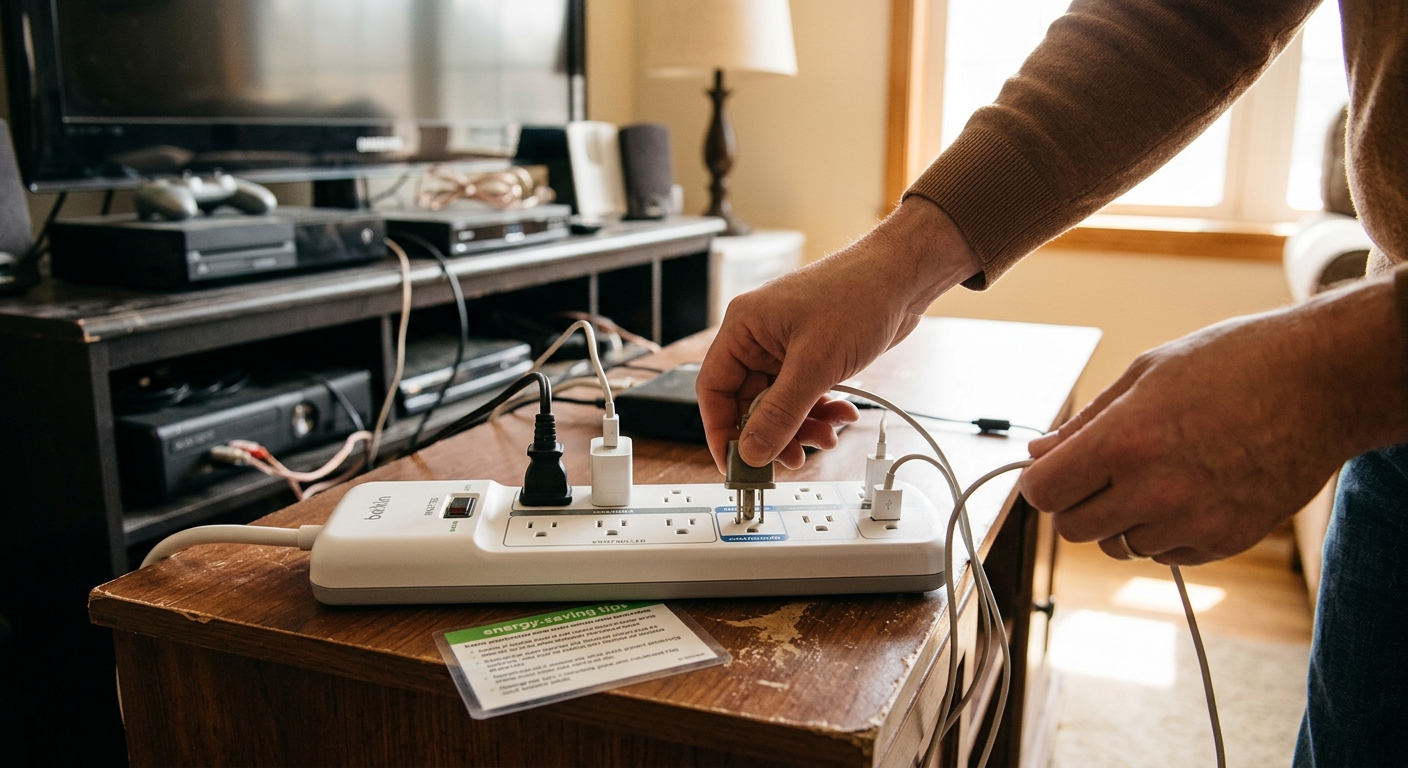
The average home wastes 5 to 10% of its electricity bill on devices that are technically ‘off’ but still drawing power. By systematically eliminating standby load room by room, most homeowners can reclaim $100 to $200 per year with minimal upfront cost.
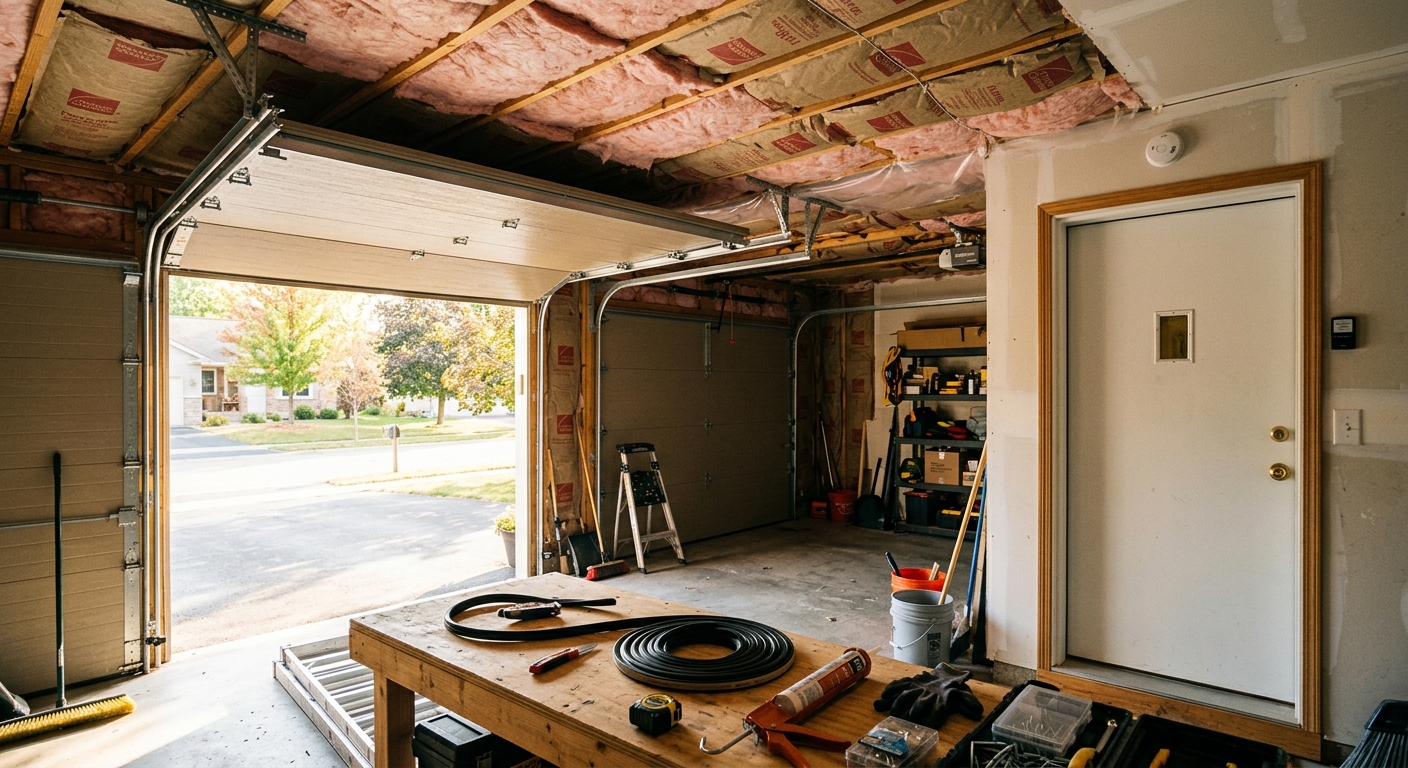
Most homeowners focus on windows, attic insulation, and HVAC upgrades while ignoring one of the biggest thermal weak points in their home: the attached garage. Sealing and insulating your garage properly can cut heating and cooling costs by 10 to 20% and dramatically improve comfort in adjacent rooms.
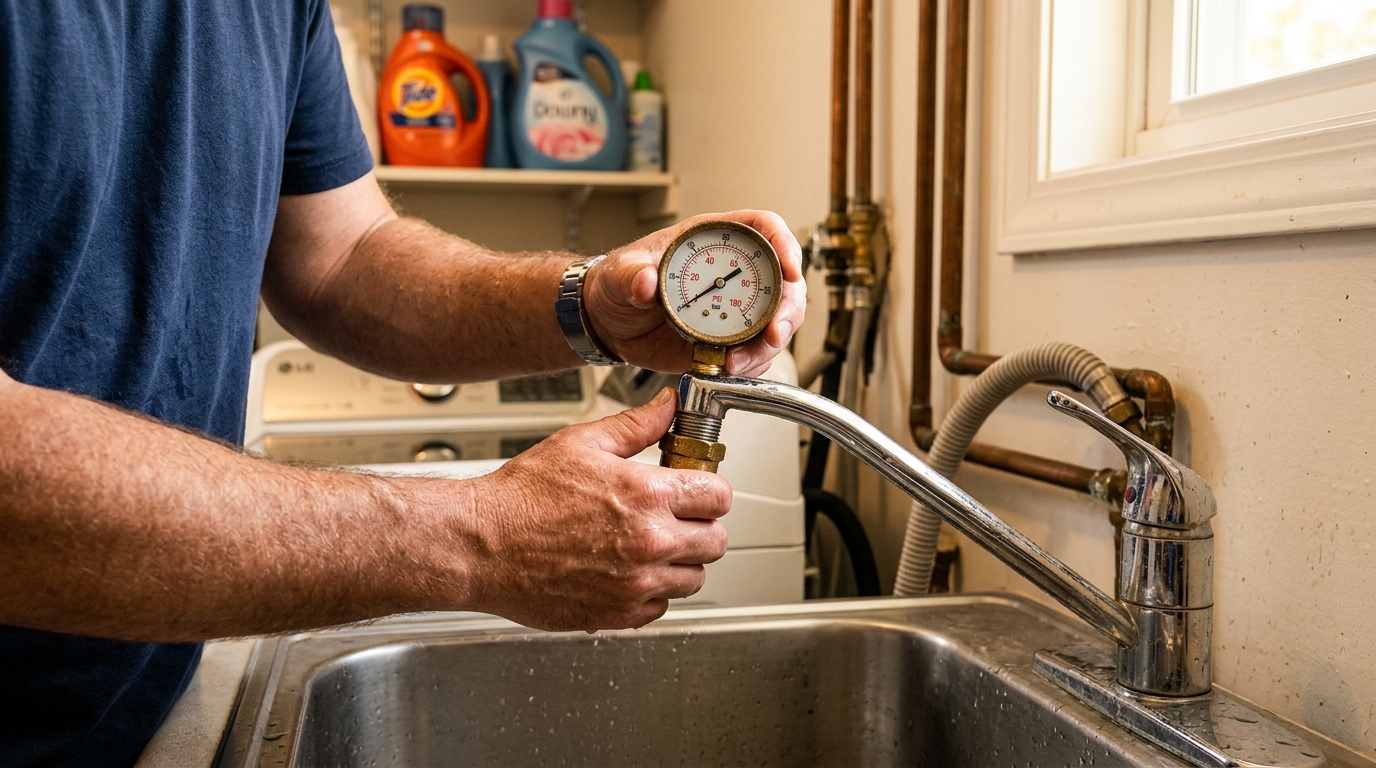
High water pressure silently stresses every pipe, fitting, and appliance in your home, often leading to costly leaks and premature failures. Testing takes less than five minutes and a $10 gauge, and knowing your number can save you thousands in repairs.
Air leaks can account for 25 to 40% of your heating and cooling costs, yet most homeowners have no idea where they are. A single afternoon of detective work can pinpoint the gaps draining your comfort and your wallet.
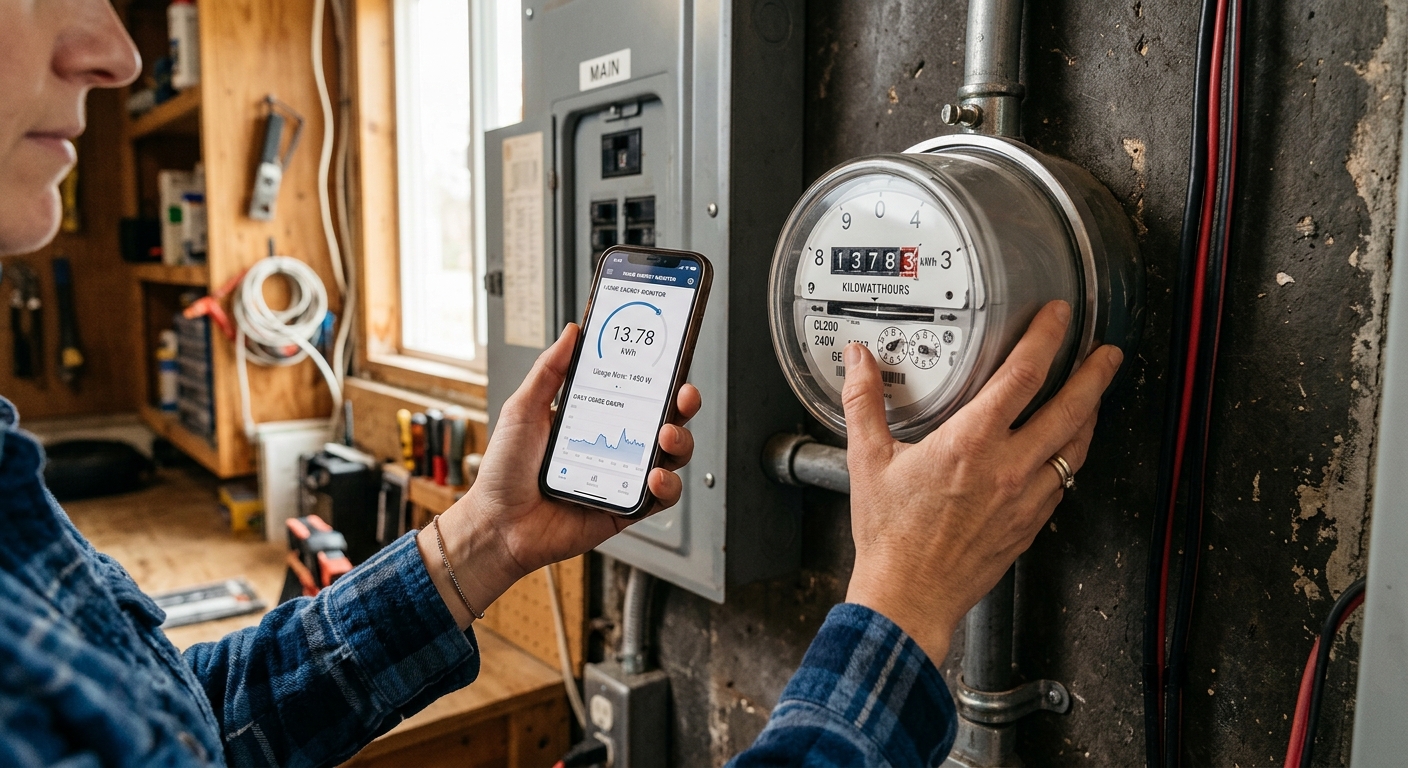
Most homeowners have no idea how to read their electric meter, which means phantom loads and energy waste go undetected for years. Learning to read your meter and track consumption takes less than 15 minutes and can uncover hundreds of dollars in annual savings.