Most homeowners glance at their monthly bill and move on, but their smart meter is recording energy use every 15 to 60 minutes around the clock. Learning to read that data can reveal phantom loads, HVAC inefficiencies, and daily habits costing you hundreds of dollars a year.
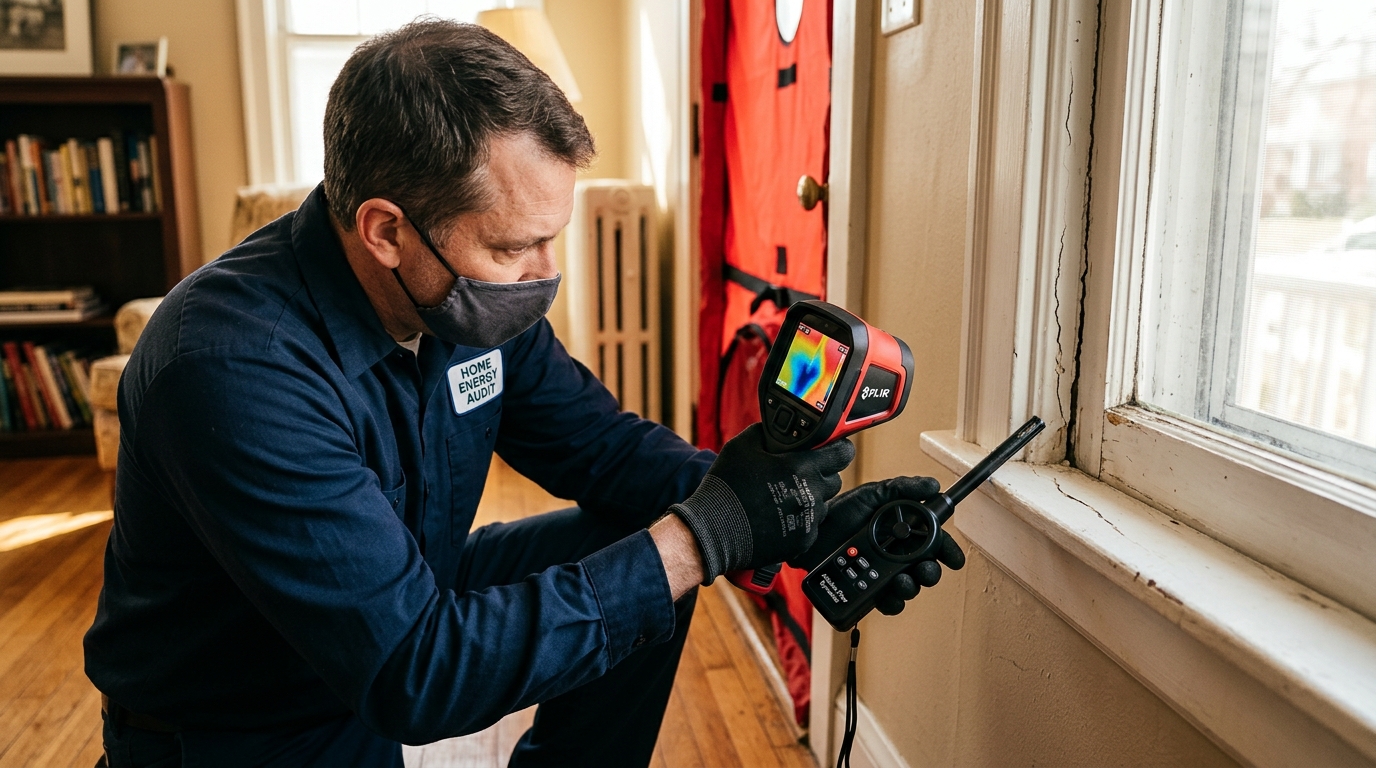
Most homeowners have no idea where their energy dollars are actually escaping, because the biggest culprits are invisible without the right tools. A professional home energy audit uses blower door tests, infrared cameras, and combustion analysis to uncover hidden leaks, insulation gaps, and equipment failures that can cut your bills by 20 to 30% once fixed.
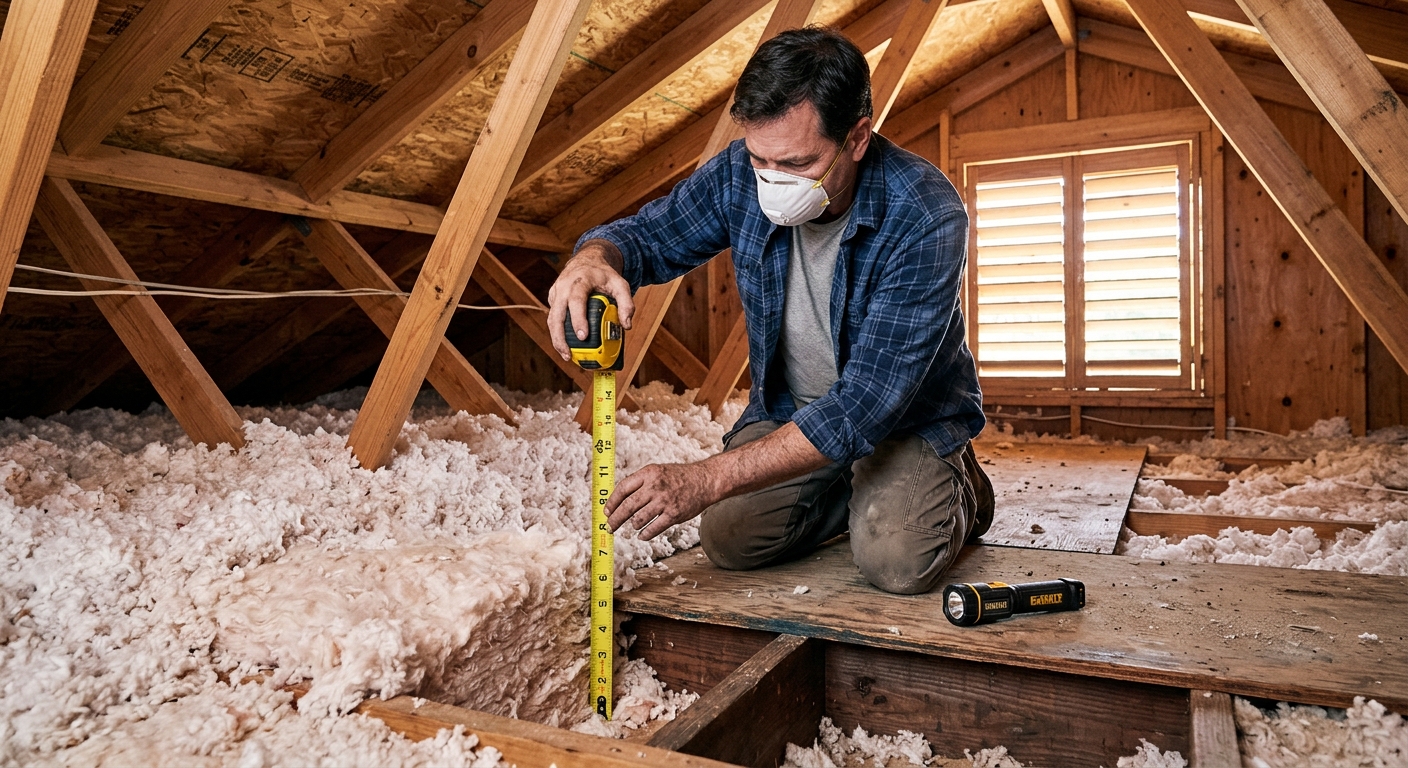
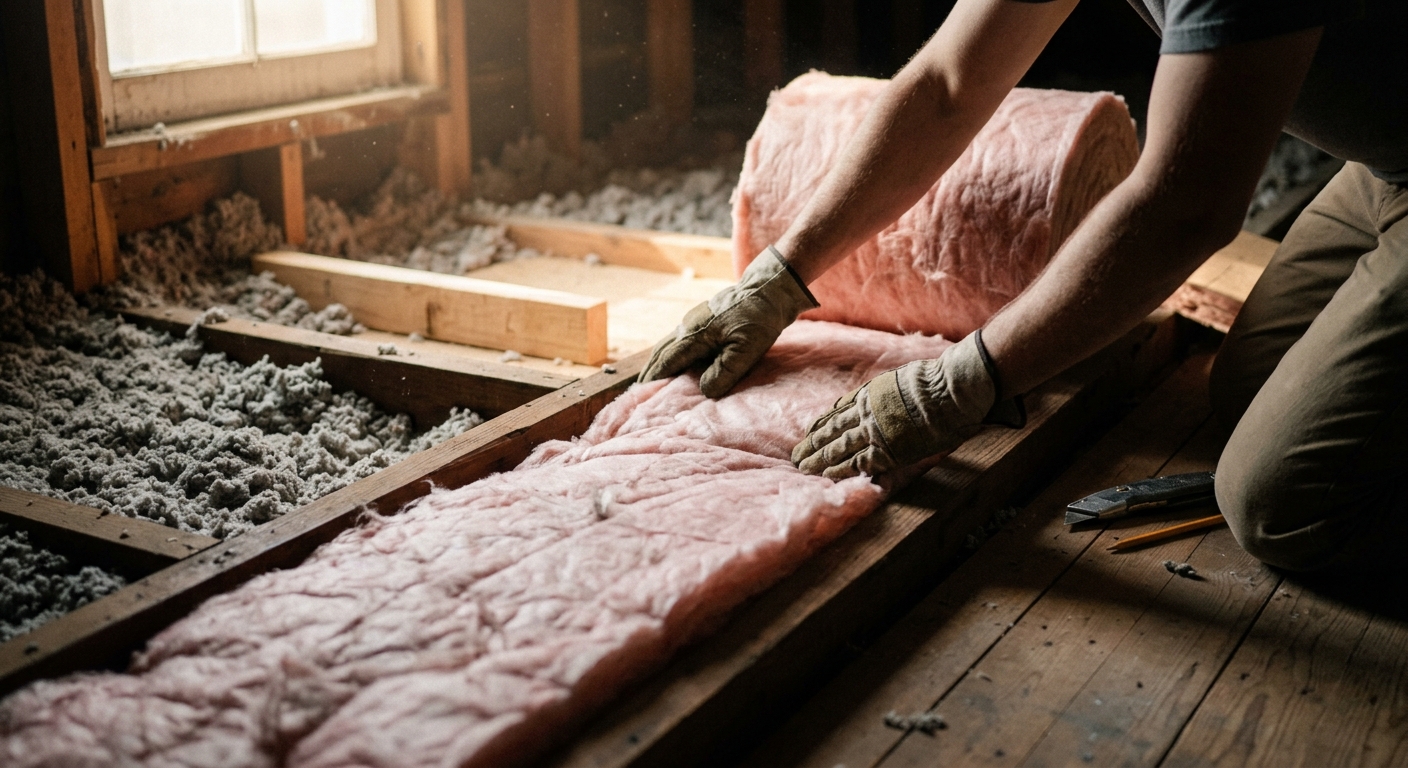
Most homeowners have no idea whether their attic insulation is doing its job – and a thin or damaged layer could be costing them hundreds of dollars every heating season. A simple 15-minute inspection tells you exactly what you have, what you need, and how to fix it before the cold arrives.
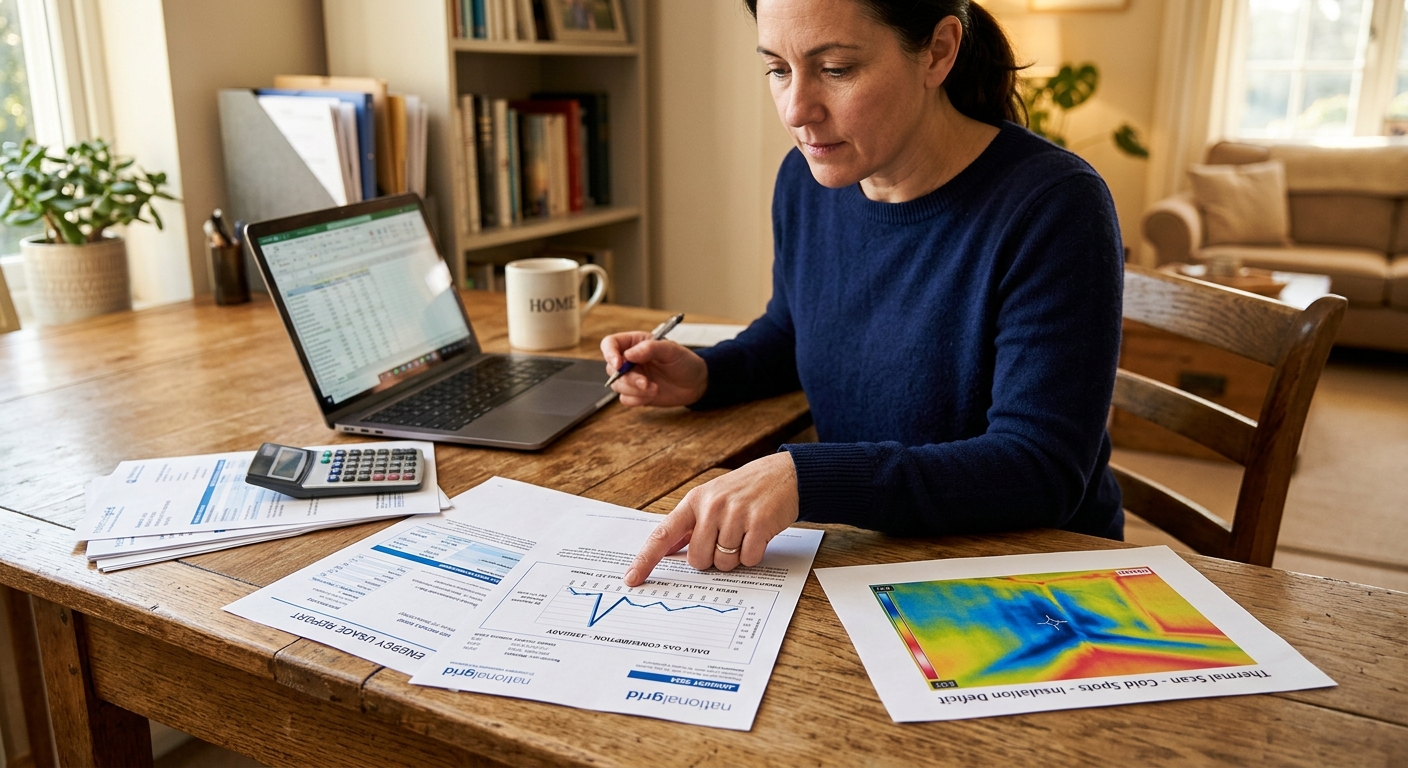
Most homeowners pay their electric bill without ever questioning why it is so high. Studying a full year of bills reveals seasonal patterns, hidden loads, and waste points that can cut your annual energy spending by 20 to 35%.
Your energy bills contain hidden clues that can reveal exactly where your home is losing heat or letting it in. Learn how to decode usage patterns, spot red flags, and determine whether poor insulation is quietly inflating your monthly costs.
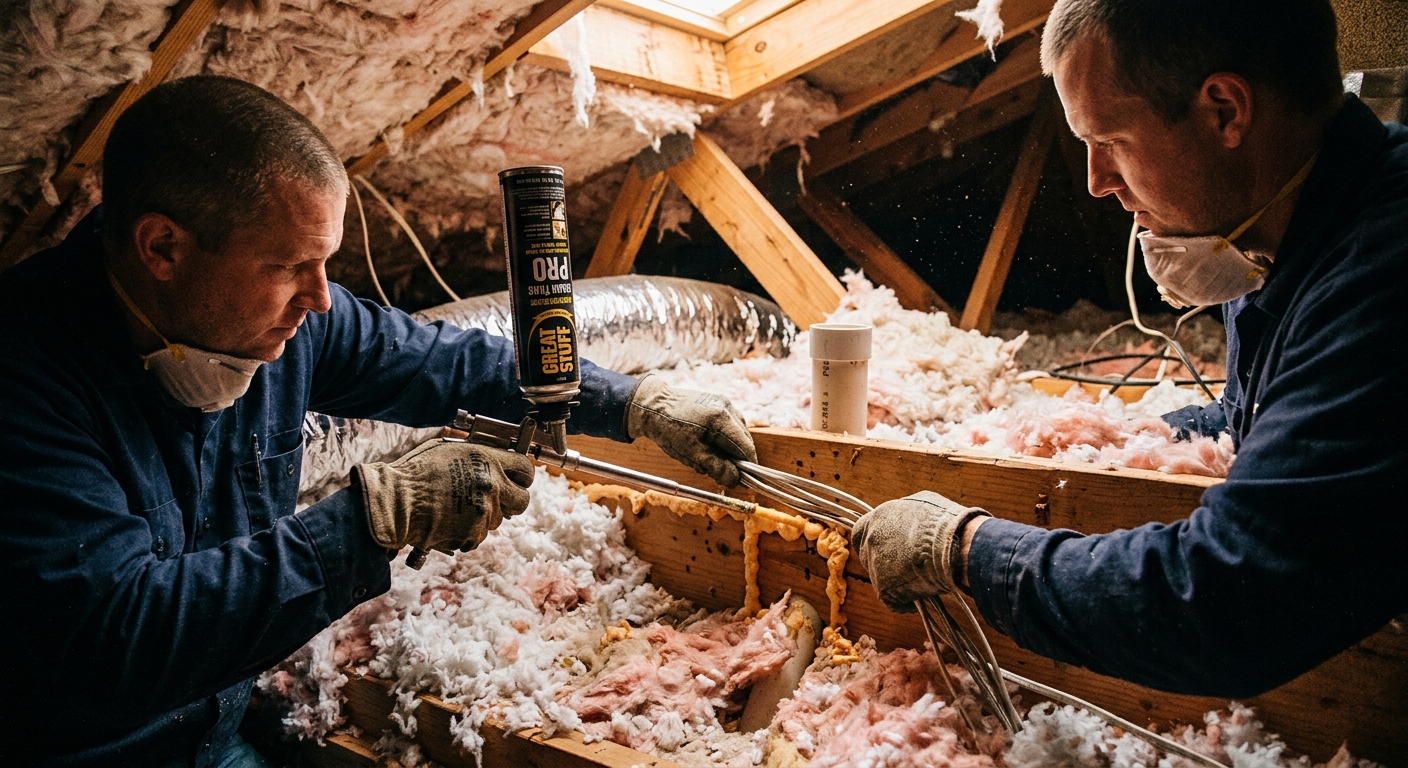
Most homeowners treat air sealing and insulation as separate projects, but doing them together is where the real savings happen. When you seal the leaks first and then add insulation on top, you can cut heating and cooling costs by 30 to 40% compared to either approach alone.
Most homeowners blame the cold weather for their January energy bill shock, but the real culprit is hidden air leakage and under-insulated attics working against your heating system. Address these two root causes and you can realistically cut heating costs by 20 to 30 percent without replacing your furnace.
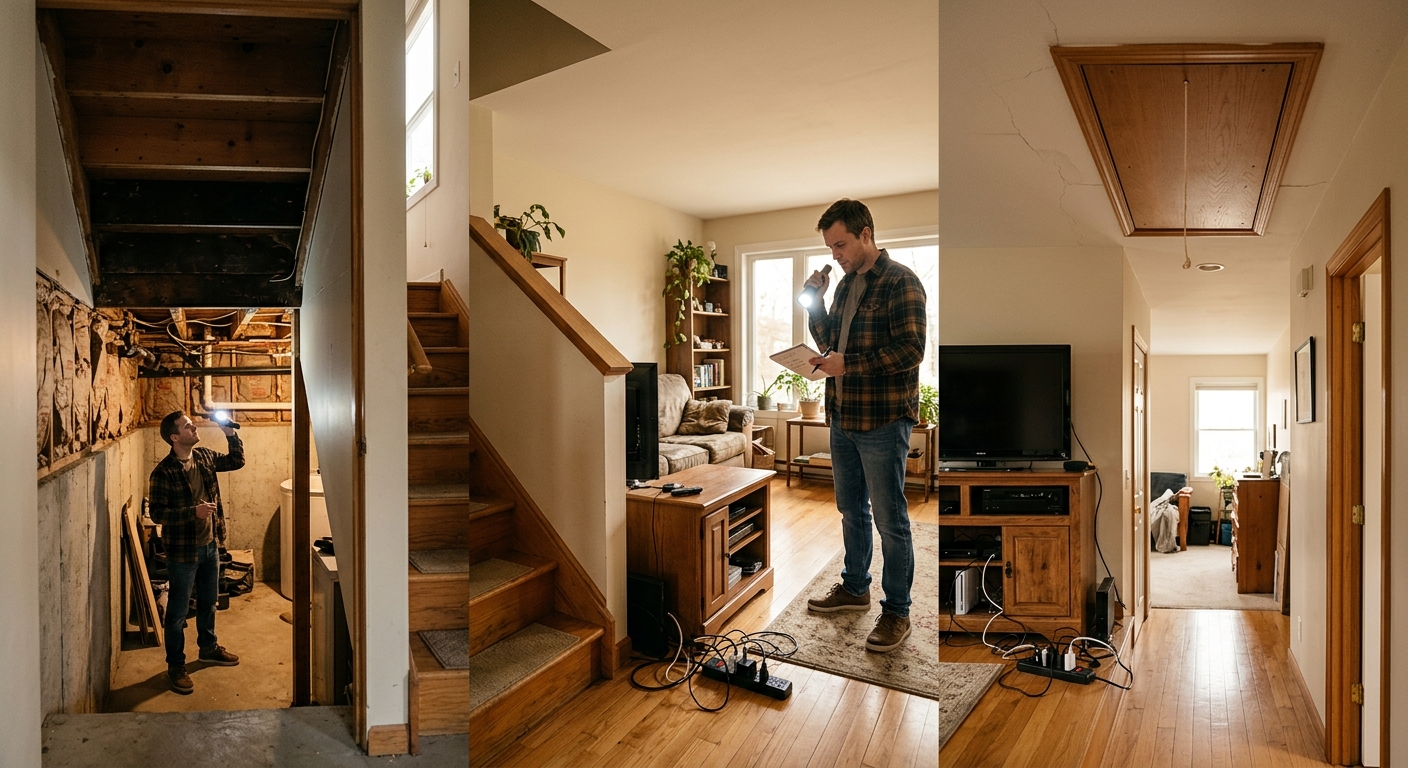
Most homeowners pay 20 to 30% more on energy bills than they should, but the culprits are hiding in plain sight across every room. This guide walks you through a systematic home audit you can do yourself in an afternoon, with specific fixes ranked by payback speed.
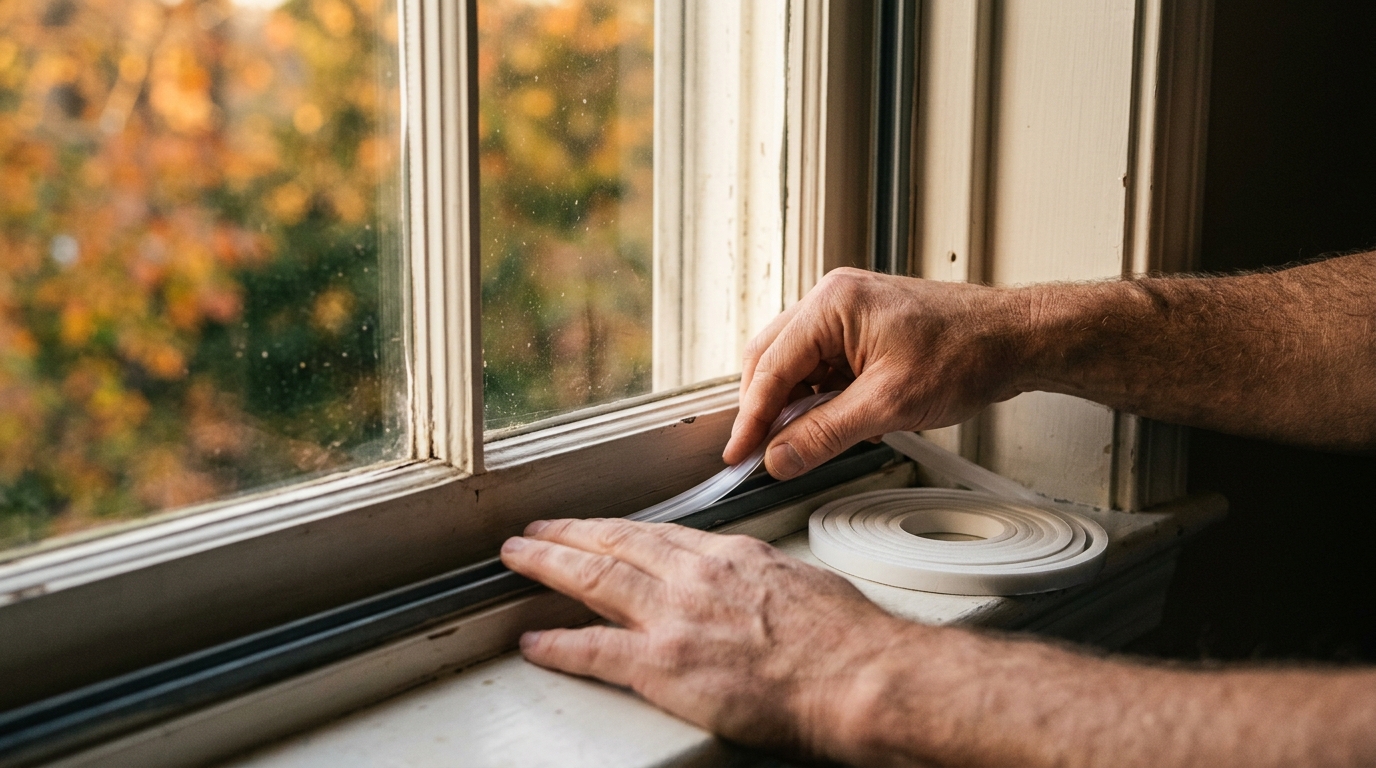
Most homeowners overpay on heating every winter because small, fixable problems quietly drain warmth and money from their homes. With a few targeted upgrades done before the first cold snap, you can realistically cut your gas bill by 20 to 30% without replacing your furnace.
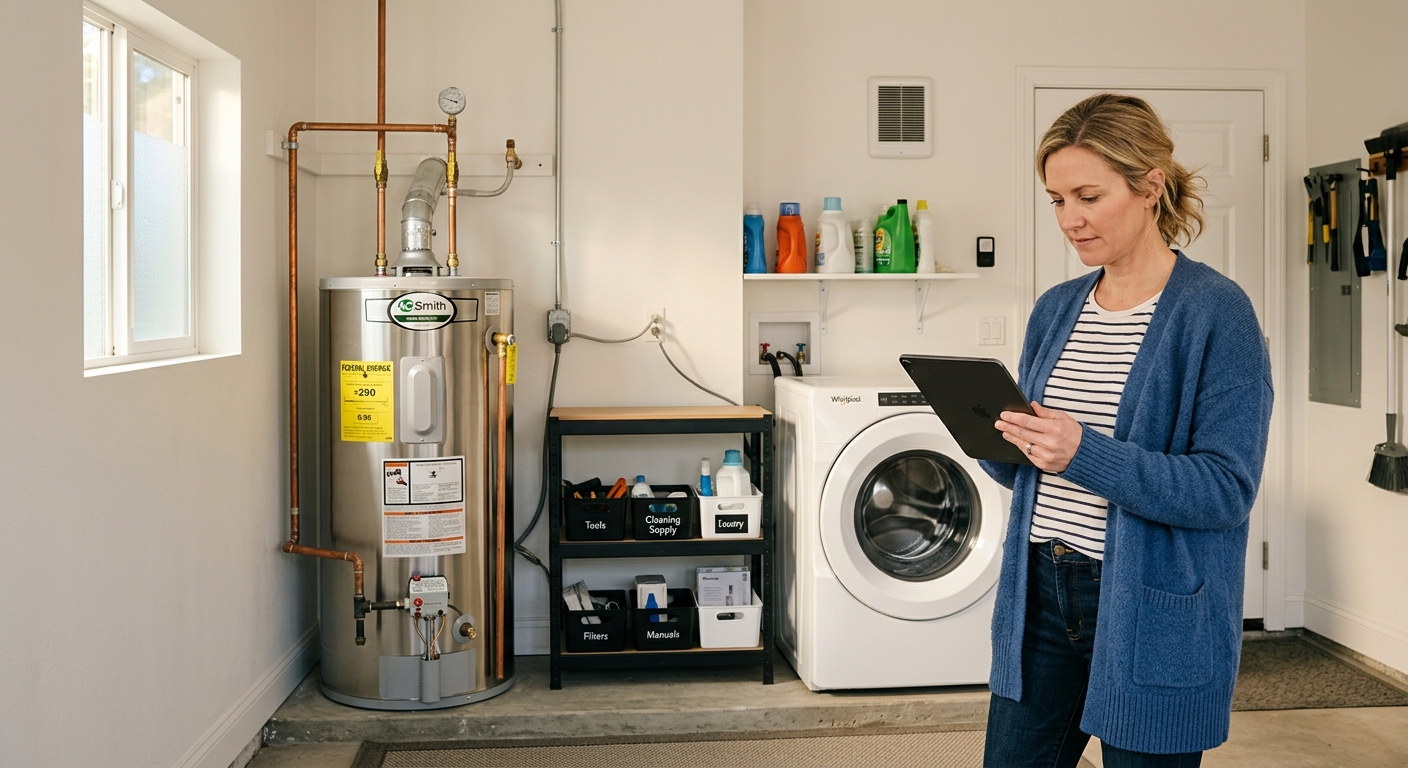
That aging refrigerator, water heater, or HVAC unit humming in the background could be quietly draining hundreds of dollars from your wallet every year. This guide shows you how to identify which old appliance is costing you the most, what to do about it, and exactly when replacement makes more financial sense than keeping it running.