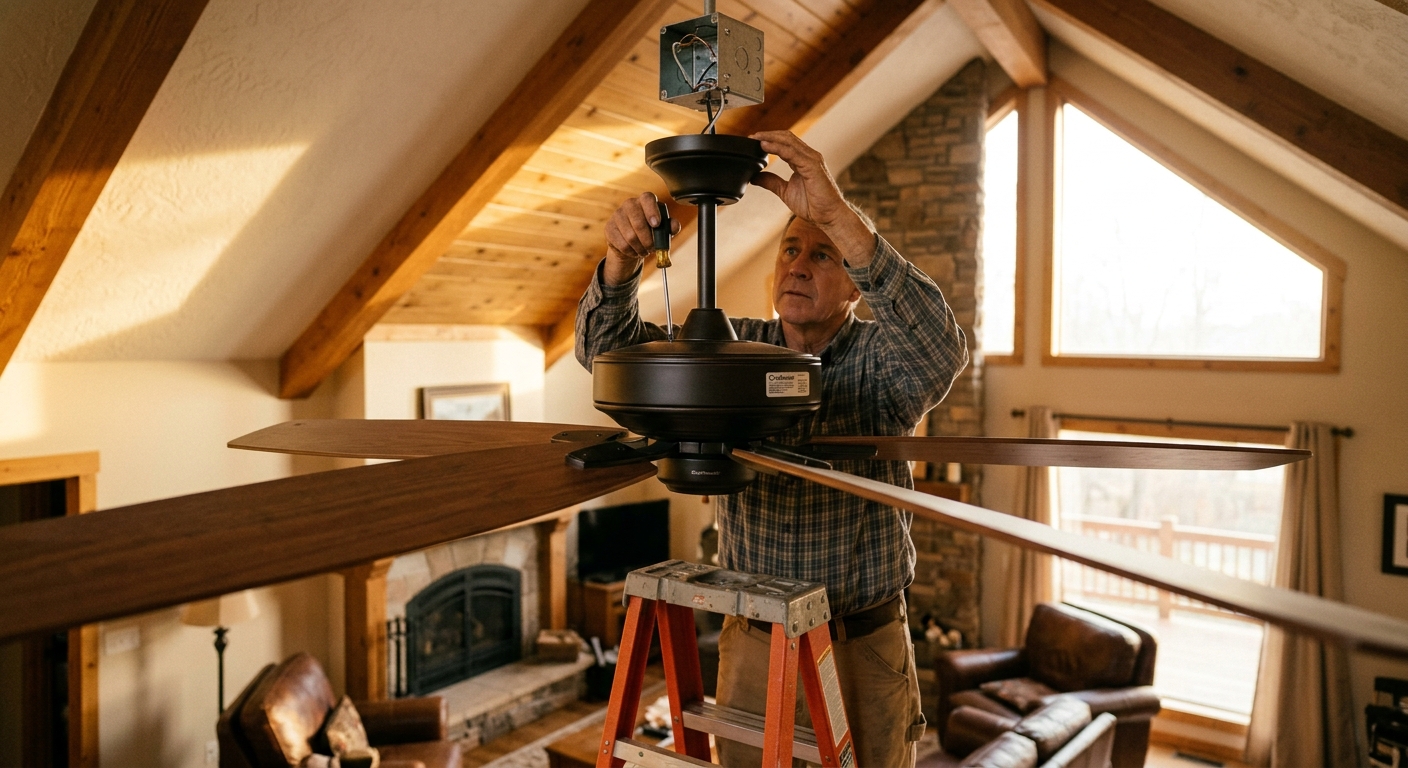
Vaulted ceilings create stunning spaces but wreak havoc on home comfort and energy bills by trapping heat high above where you live. With a few targeted upgrades, you can reclaim consistent temperatures and cut heating and cooling costs by up to 25%.
Single-speed HVAC systems blast on at full power, then shut off abruptly, leaving your home with temperature swings, humidity problems, and higher bills. Upgrading to a variable-speed system lets your HVAC modulate its output to match your home’s actual needs, delivering steadier temperatures, lower humidity, and real energy savings.
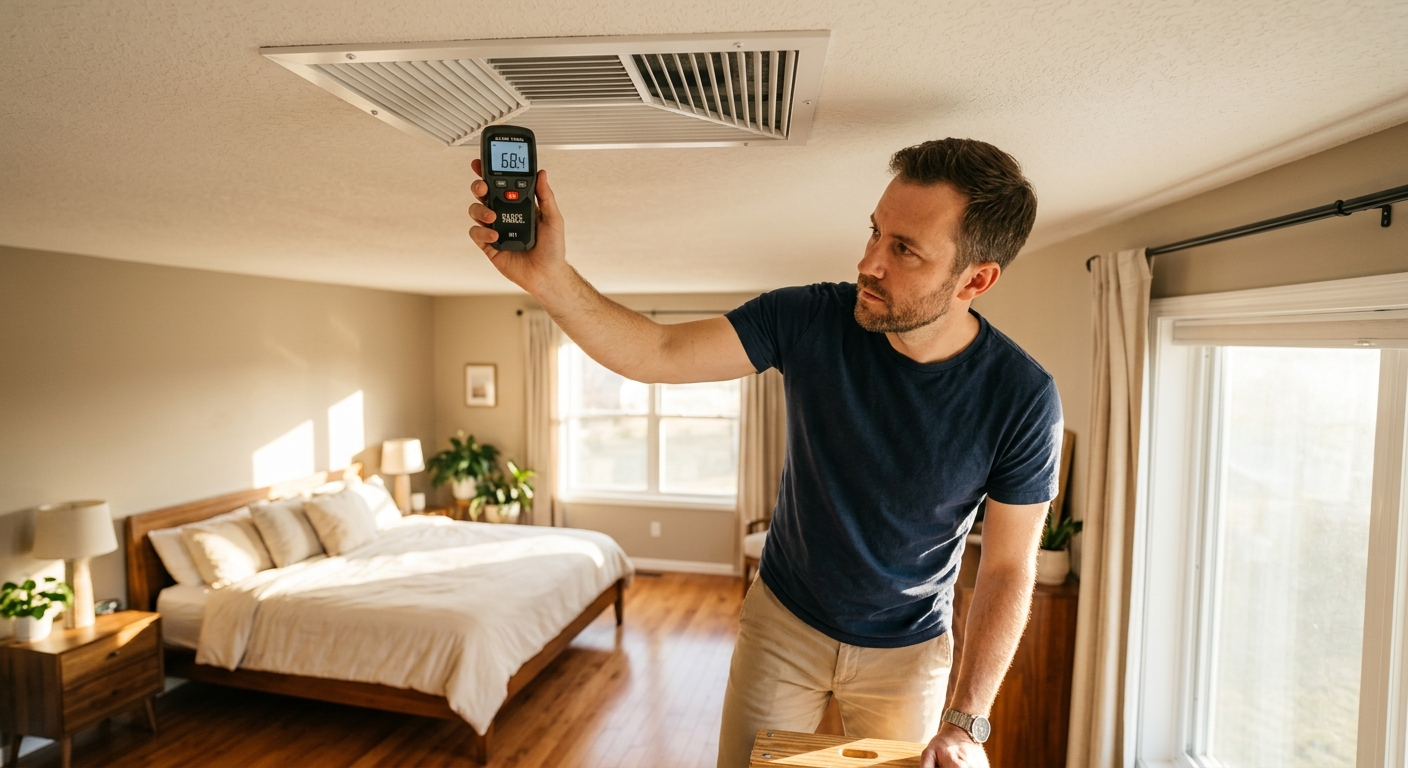
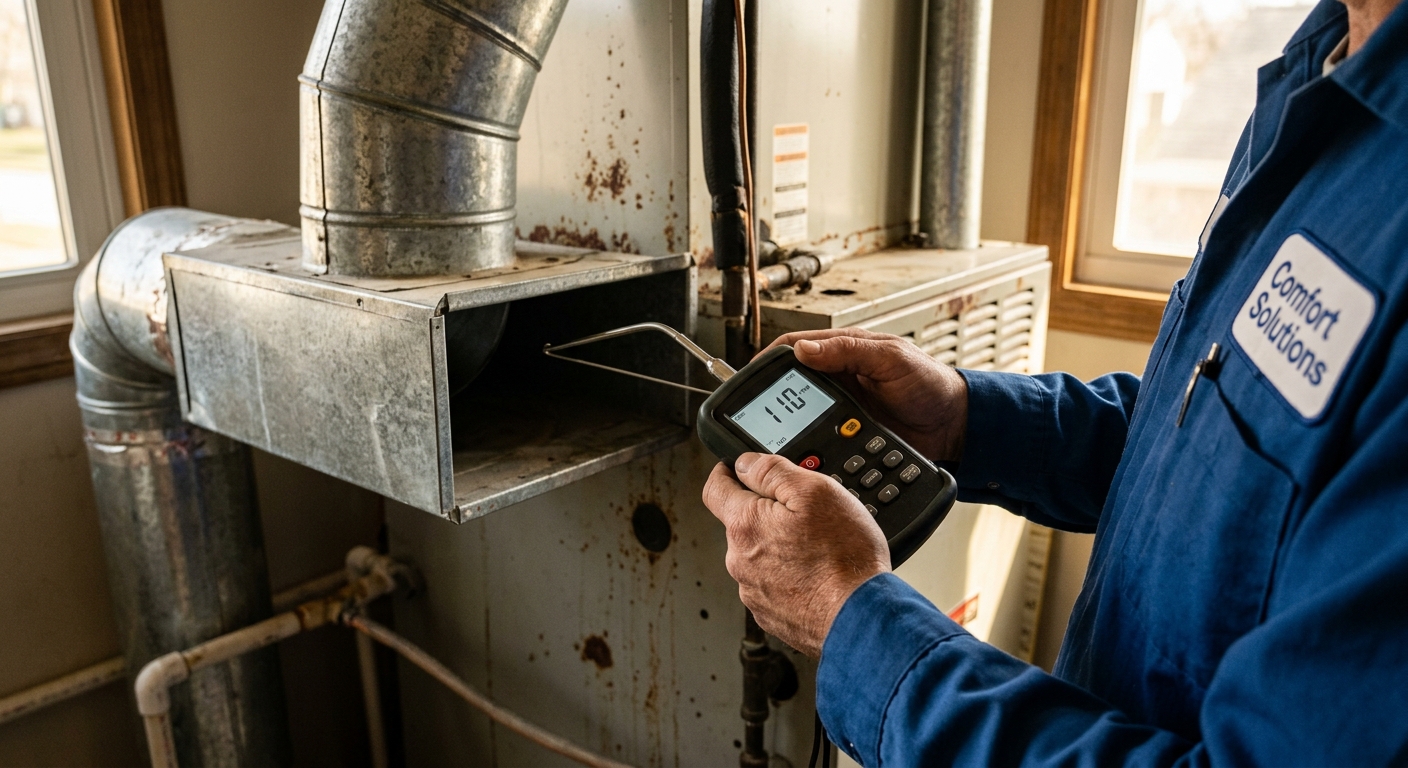
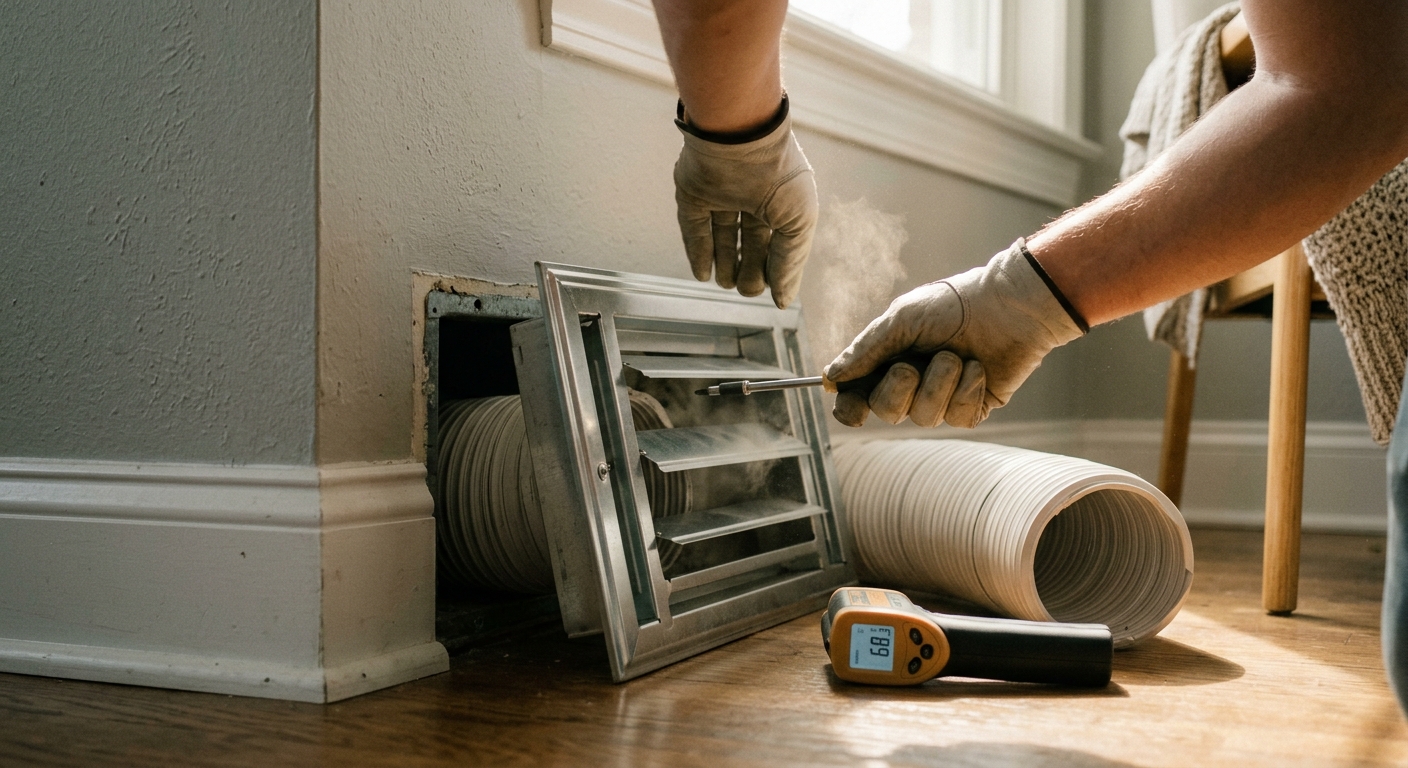
A room that stays 5 to 10 degrees warmer than the rest of the house is one of the most frustrating comfort problems homeowners face. Before spending $100 or more on a service call, you can diagnose the cause yourself in under an hour using tools you likely already own.
Uneven heating leaves some rooms freezing while others overheat, and most homeowners assume the only fix is an expensive new HVAC system. In reality, a combination of targeted air sealing, duct balancing, and smart thermostat strategies can eliminate cold spots and cut heating bills by 15 to 30% without replacing a single major component.
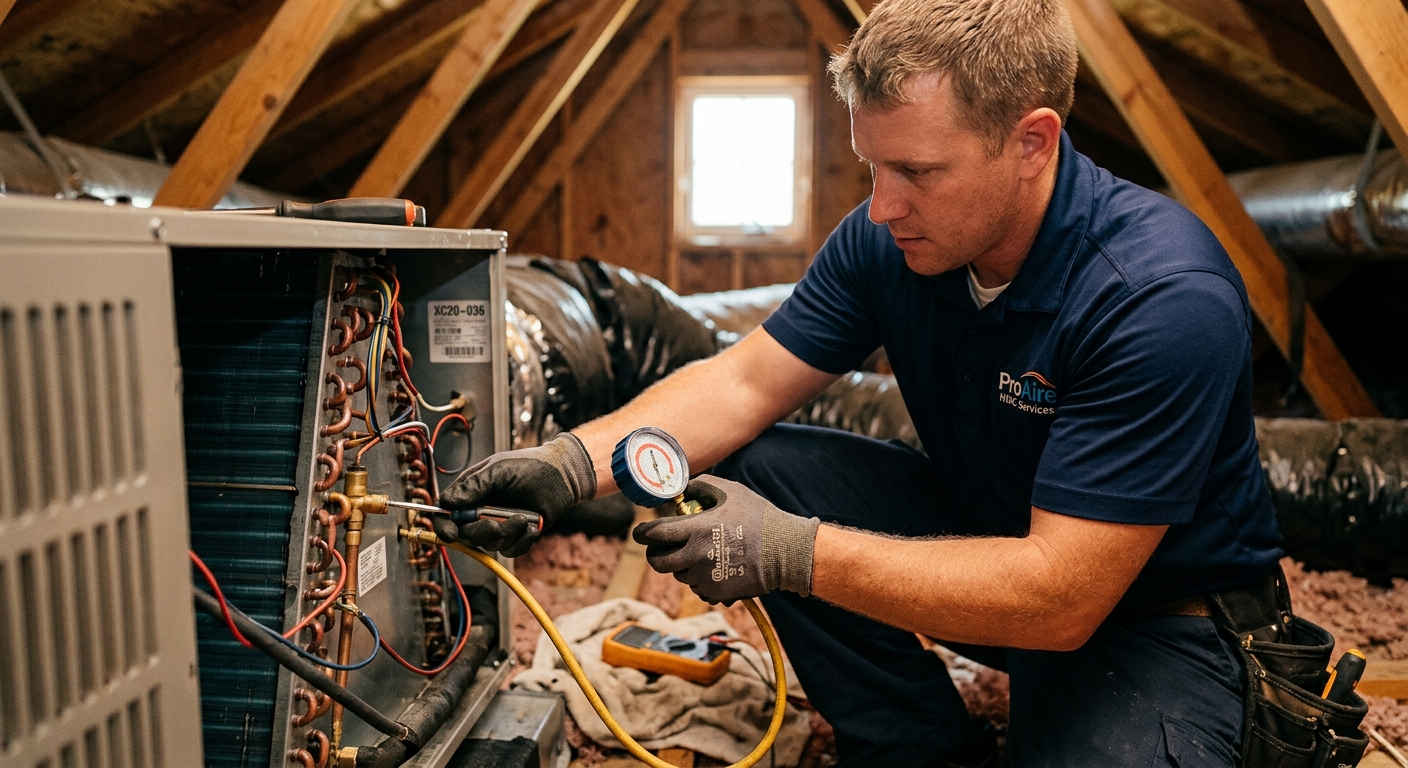
A brand-new air conditioner that struggles to keep your home cool is more common than you’d think, and the AC itself is rarely the problem. Discover the real culprits behind poor cooling performance and the practical fixes that actually work.
An undersized HVAC system runs constantly, struggles to hit your target temperature, and quietly drives up your energy bills every month. Learning to recognize the warning signs and confirm the problem with a few simple checks can save you thousands in wasted energy and premature equipment replacement.
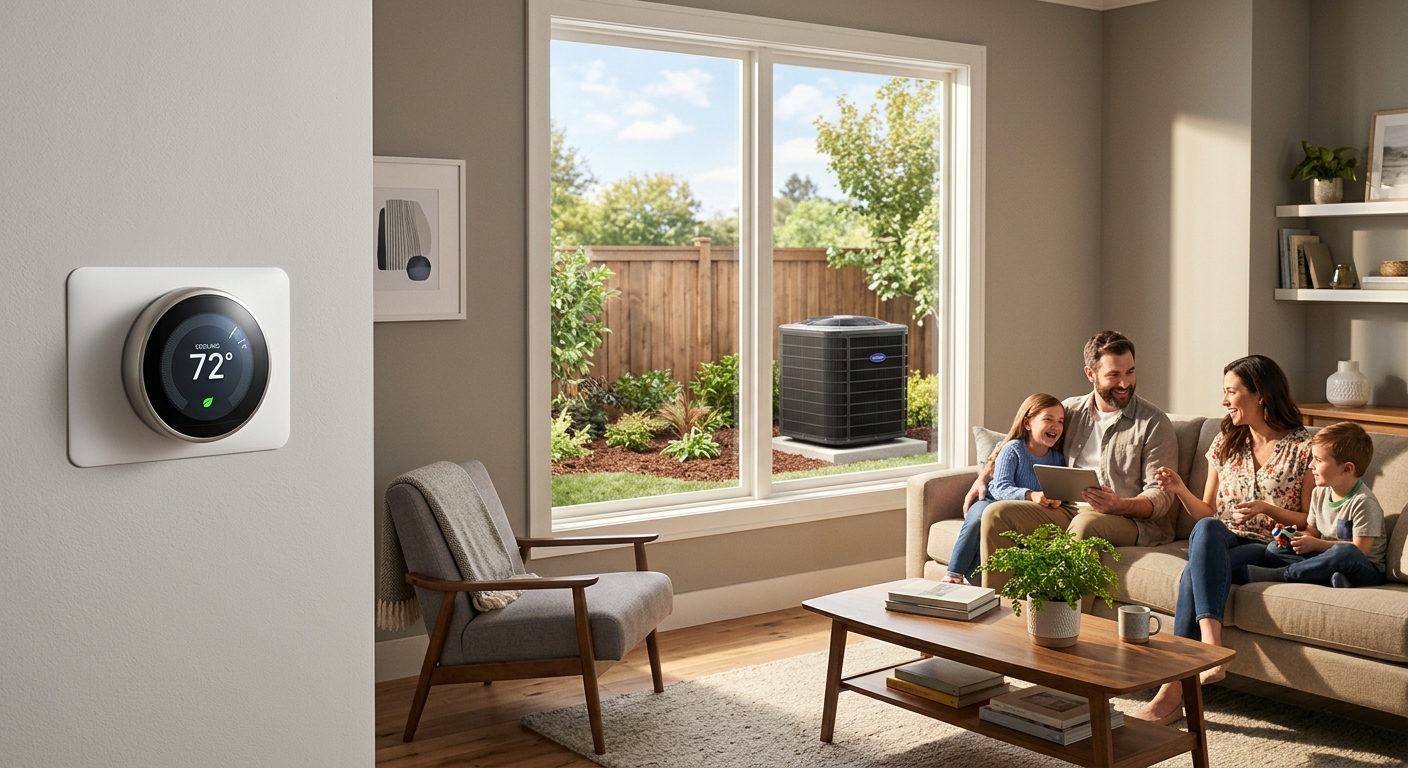
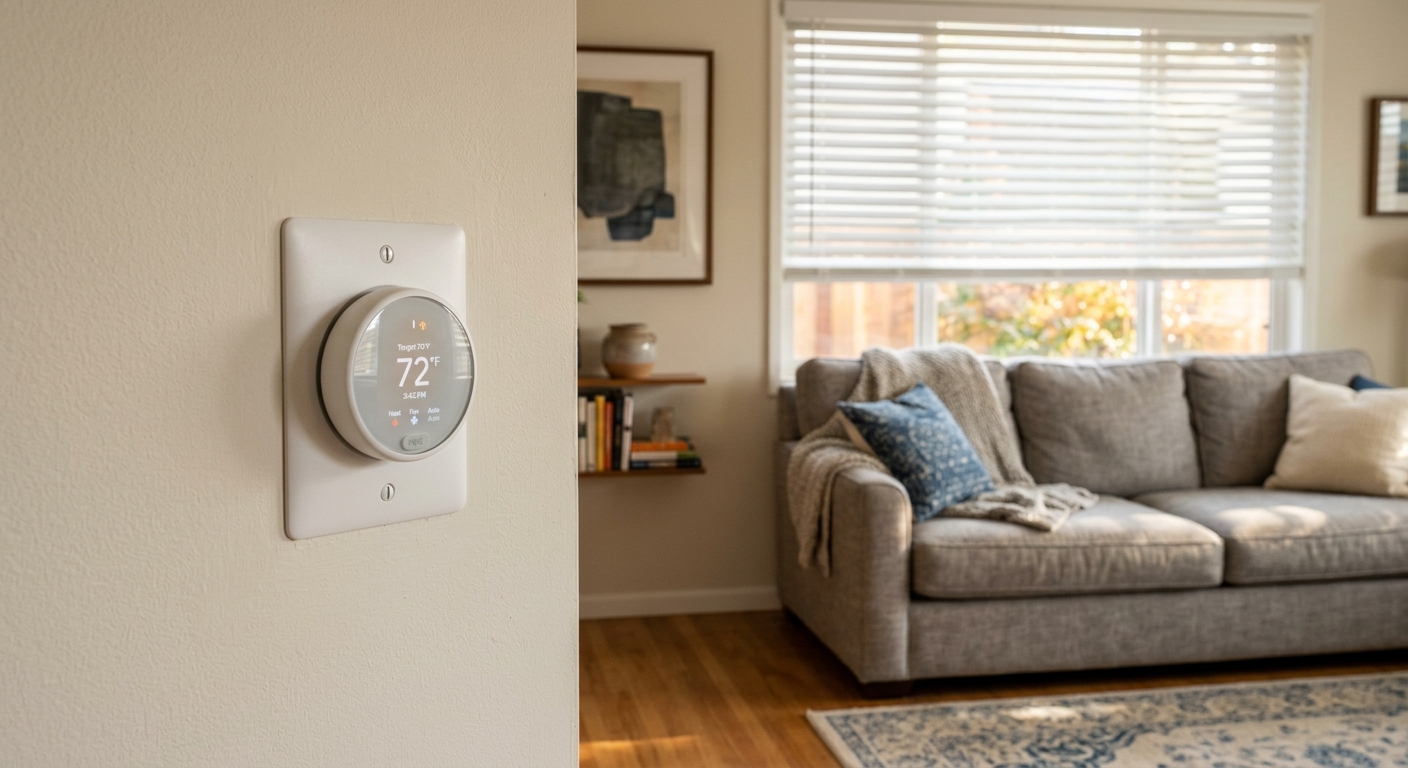
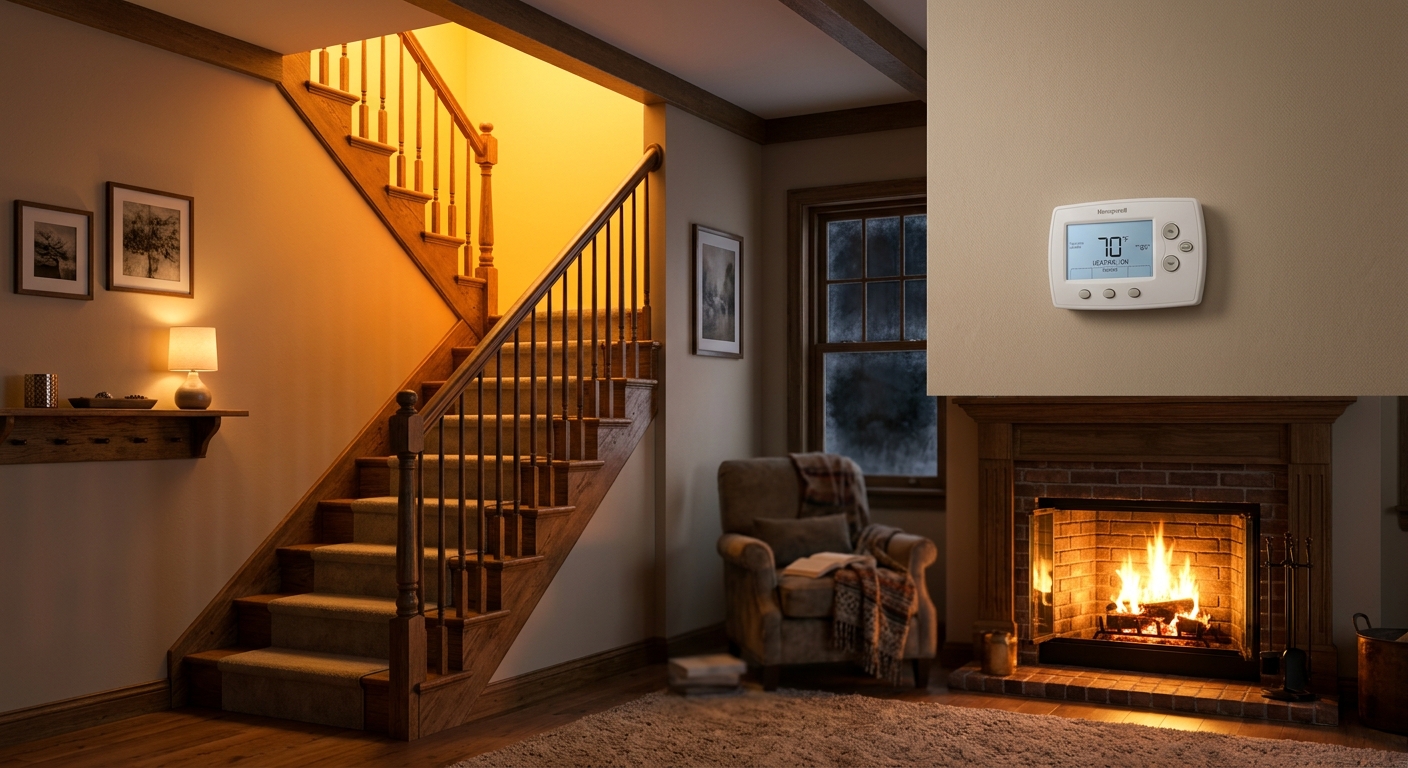
A poorly placed thermostat reads the wrong temperature and causes your AC to cycle at the wrong times, wasting energy and leaving rooms uncomfortable. Moving or correcting your thermostat’s environment can cut cooling bills by 10 to 20% with little to no investment.
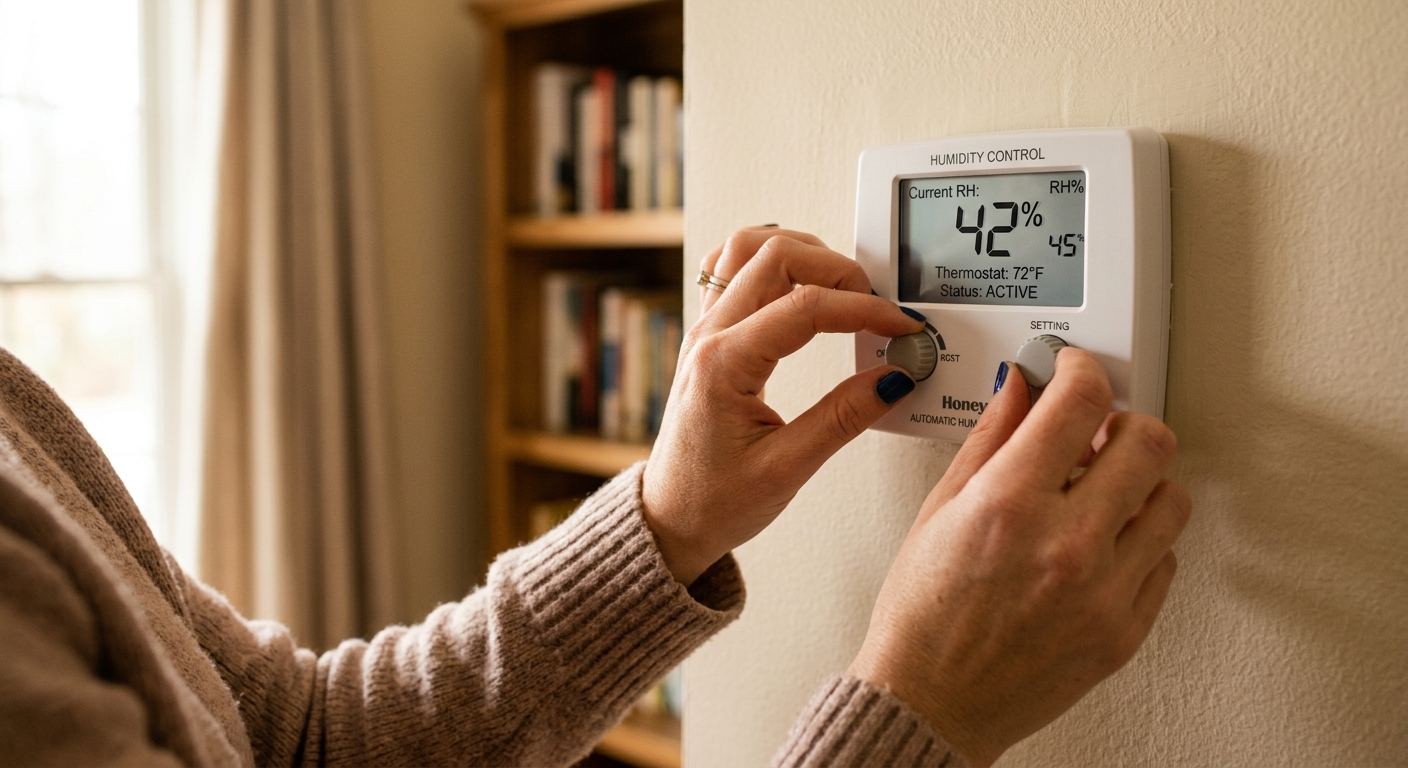
Most homeowners obsess over thermostat numbers while ignoring the humidity level that actually determines how comfortable they feel. Keeping indoor relative humidity between 40 and 50 percent can make a 75°F home feel as comfortable as a 70°F home, letting you raise your thermostat setpoint and cut cooling bills by up to 15 percent.
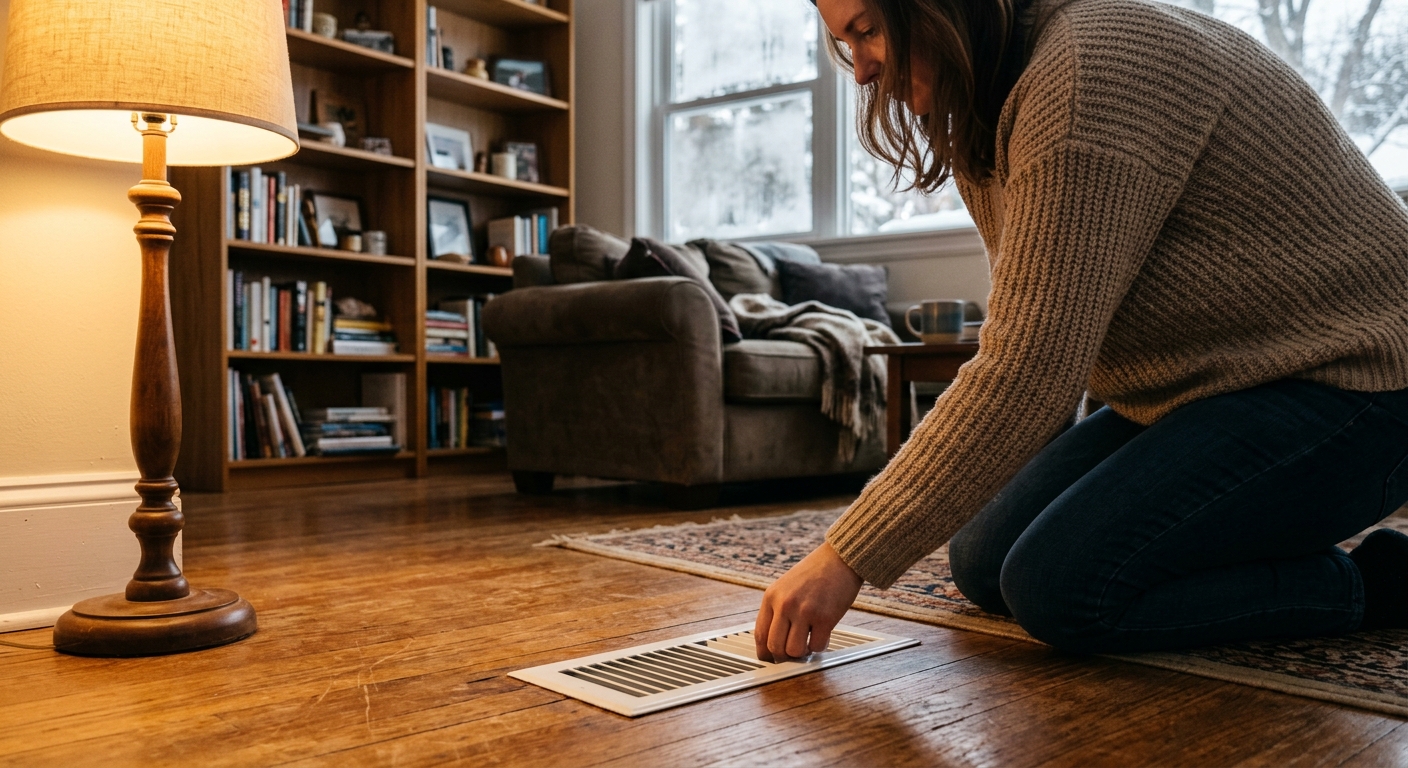
A single cold room is one of the most frustrating comfort problems homeowners face, and it almost never means your furnace is broken. The real culprits are almost always airflow imbalances, insulation gaps, or duct issues that you can diagnose and fix yourself.
If your upstairs feels like a sauna while your downstairs stays chilly, your home is wasting energy and comfort at the same time. This guide walks you through the exact causes and fixes, from free adjustments you can make today to targeted upgrades that deliver lasting results.