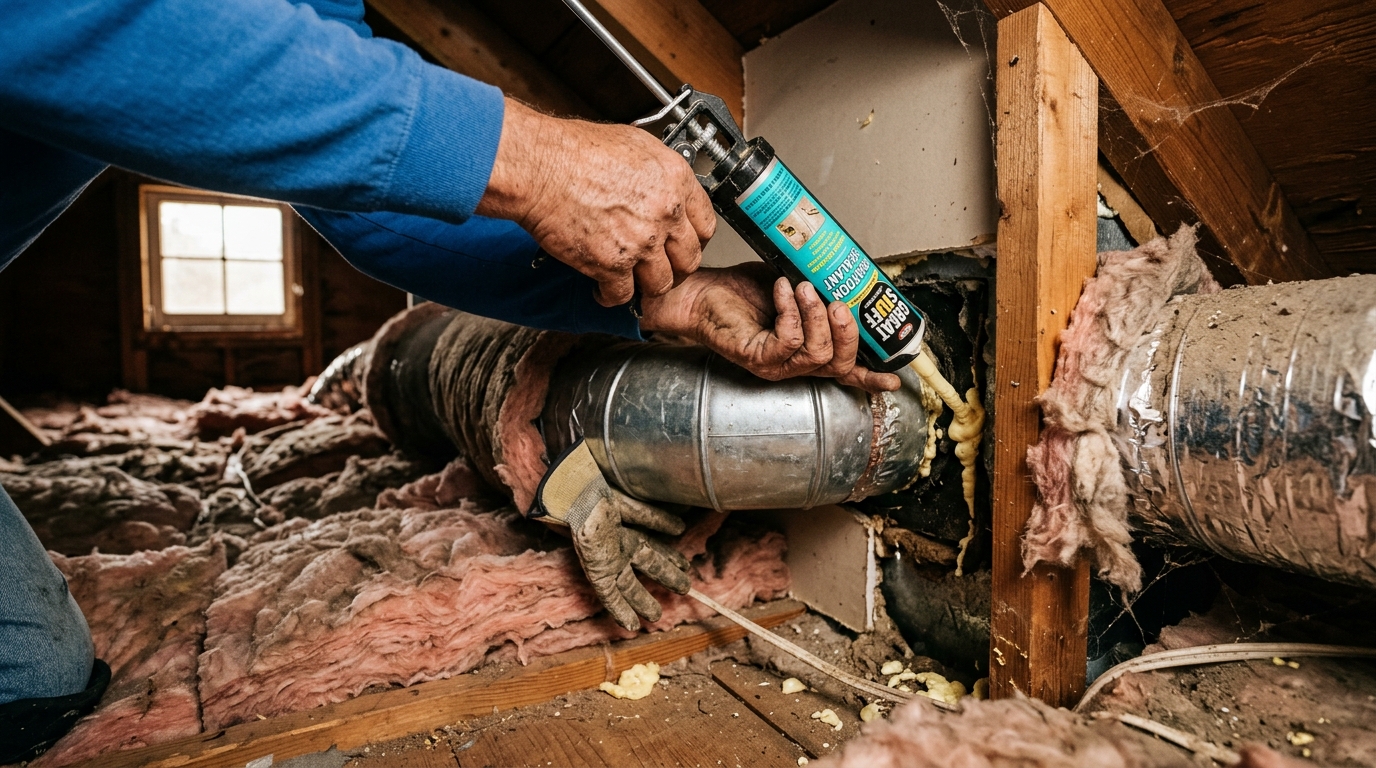
Most homeowners know they need more insulation, but have no idea where to start when money is limited. This guide shows you exactly which projects deliver the fastest payback and biggest comfort gains, so every dollar you spend works harder.
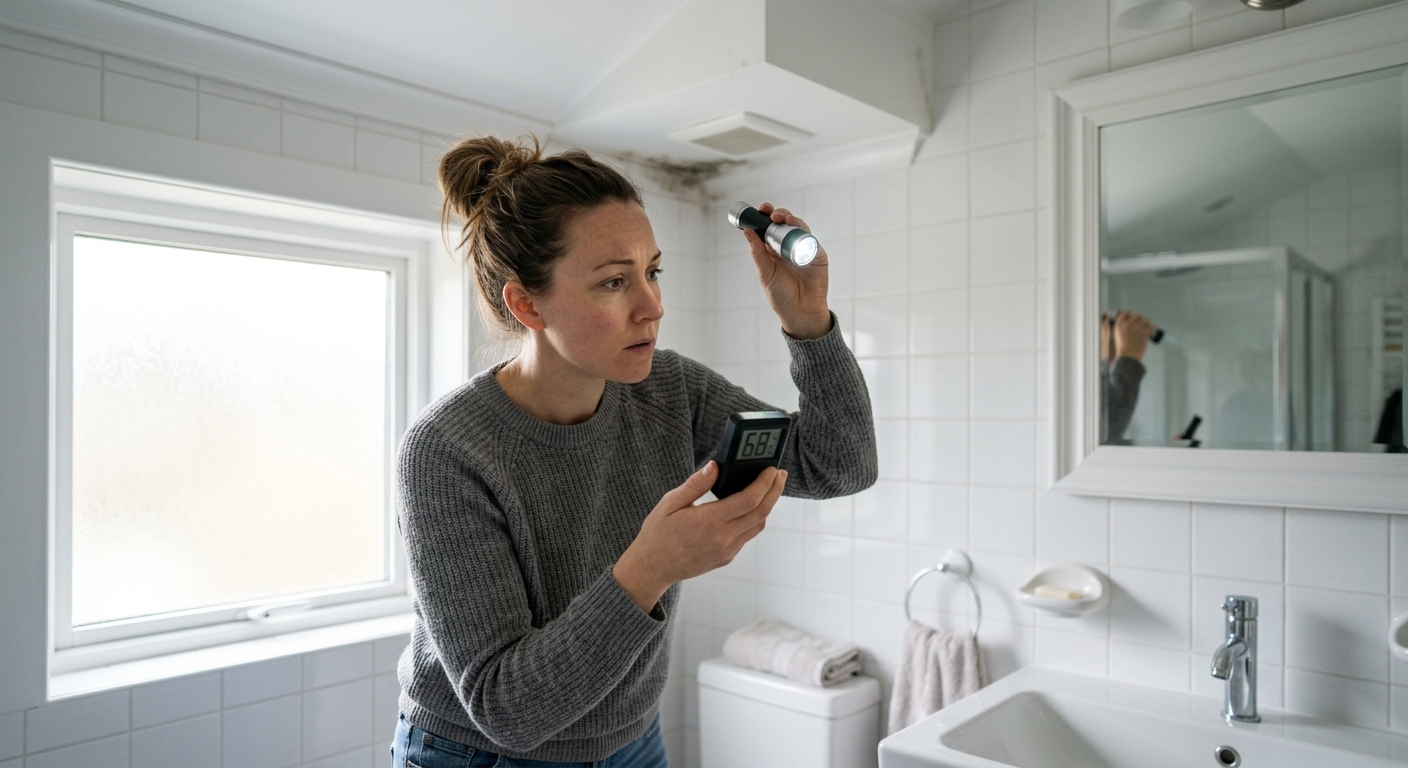
Stuffy rooms, foggy windows, and musty odors are early warning signs that your home’s air is not moving properly. Catching circulation problems early can prevent costly mold remediation that averages $2,000 to $6,000 per affected area.
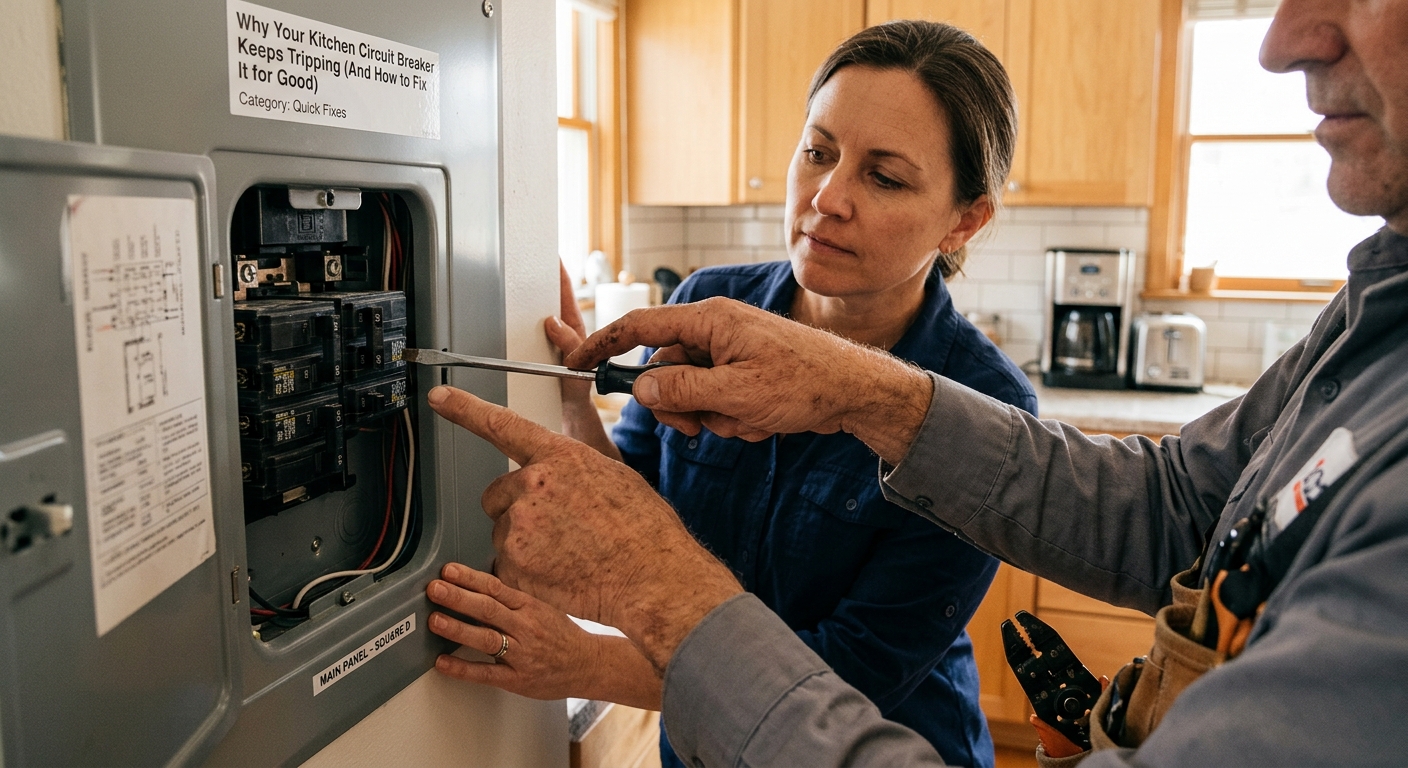
A repeatedly tripping kitchen breaker is more than an annoyance – it is a warning sign about your home’s electrical load or wiring. This guide explains the real causes and walks you through safe, practical fixes from quick resets to lasting upgrades.
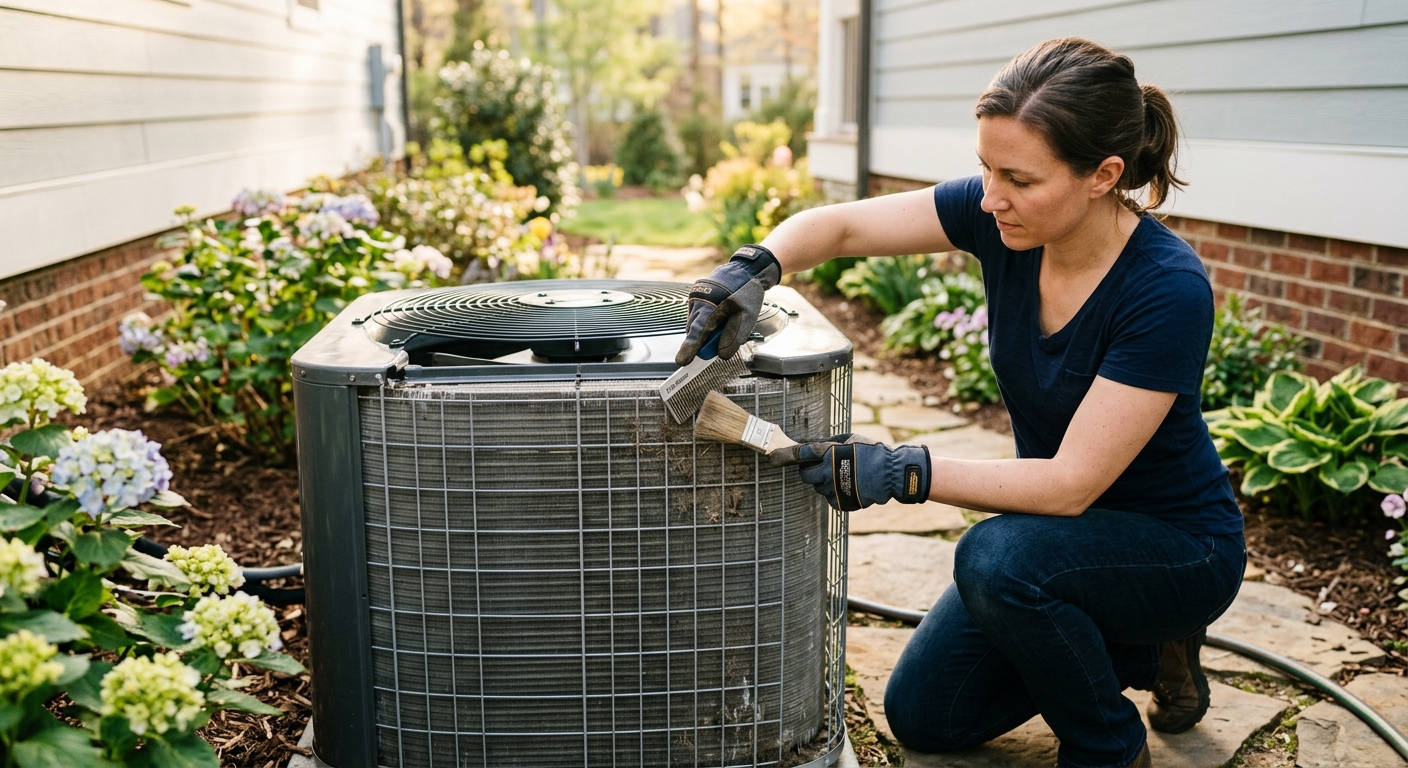
Skipping spring AC maintenance is one of the costliest mistakes homeowners make, often leading to higher bills, breakdowns on the hottest days, and shortened equipment life. A few hours of targeted maintenance each spring can cut cooling costs by up to 25% and add years to your system’s lifespan.
Your kitchen is one of the biggest energy hogs in your home, but most of the waste comes from habits and settings, not broken equipment. With a few smart adjustments and low-cost upgrades, you can trim 15 to 30% off your kitchen energy use without replacing anything.
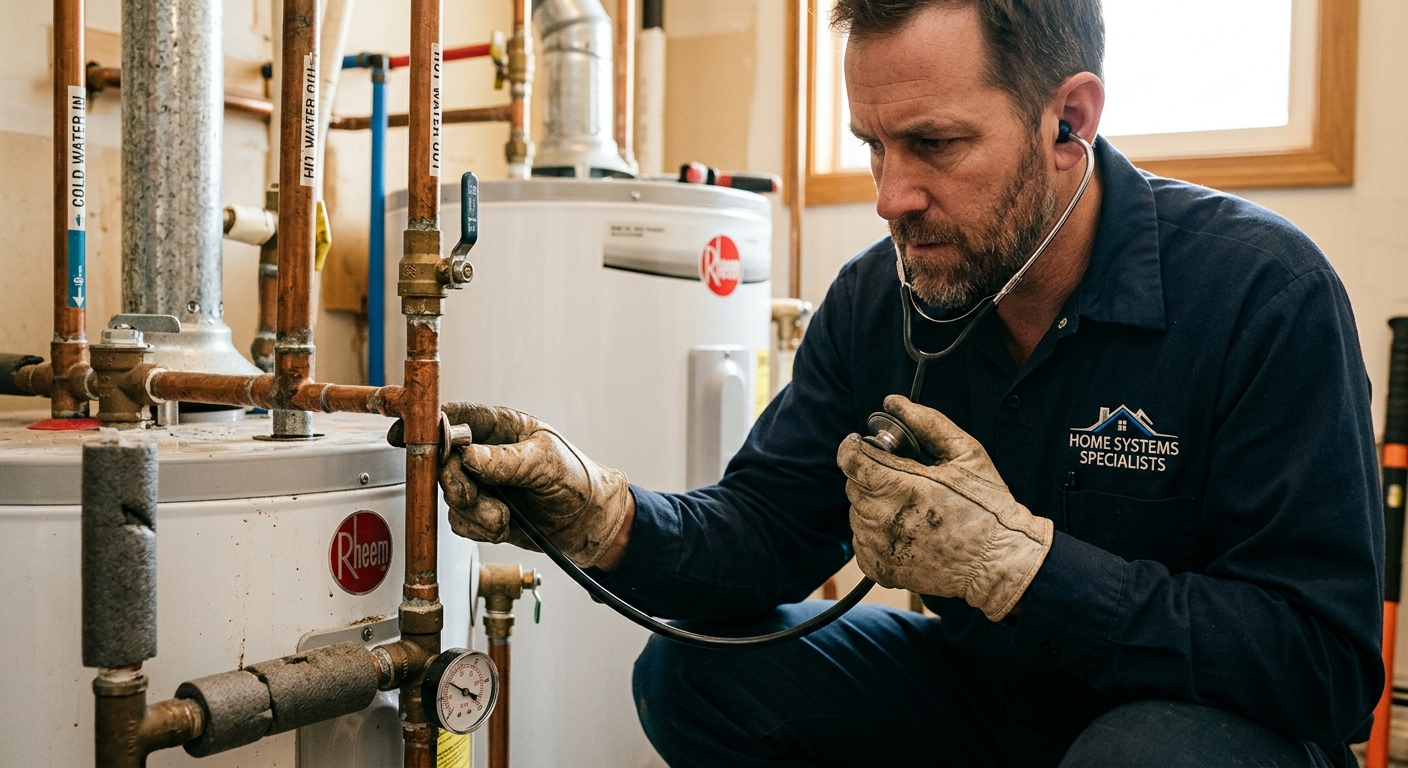
Strange sounds from your pipes, water heater, or fixtures are often early warnings of leaks, pressure problems, or failing equipment. Catching them early can save hundreds in repairs and prevent serious water damage.
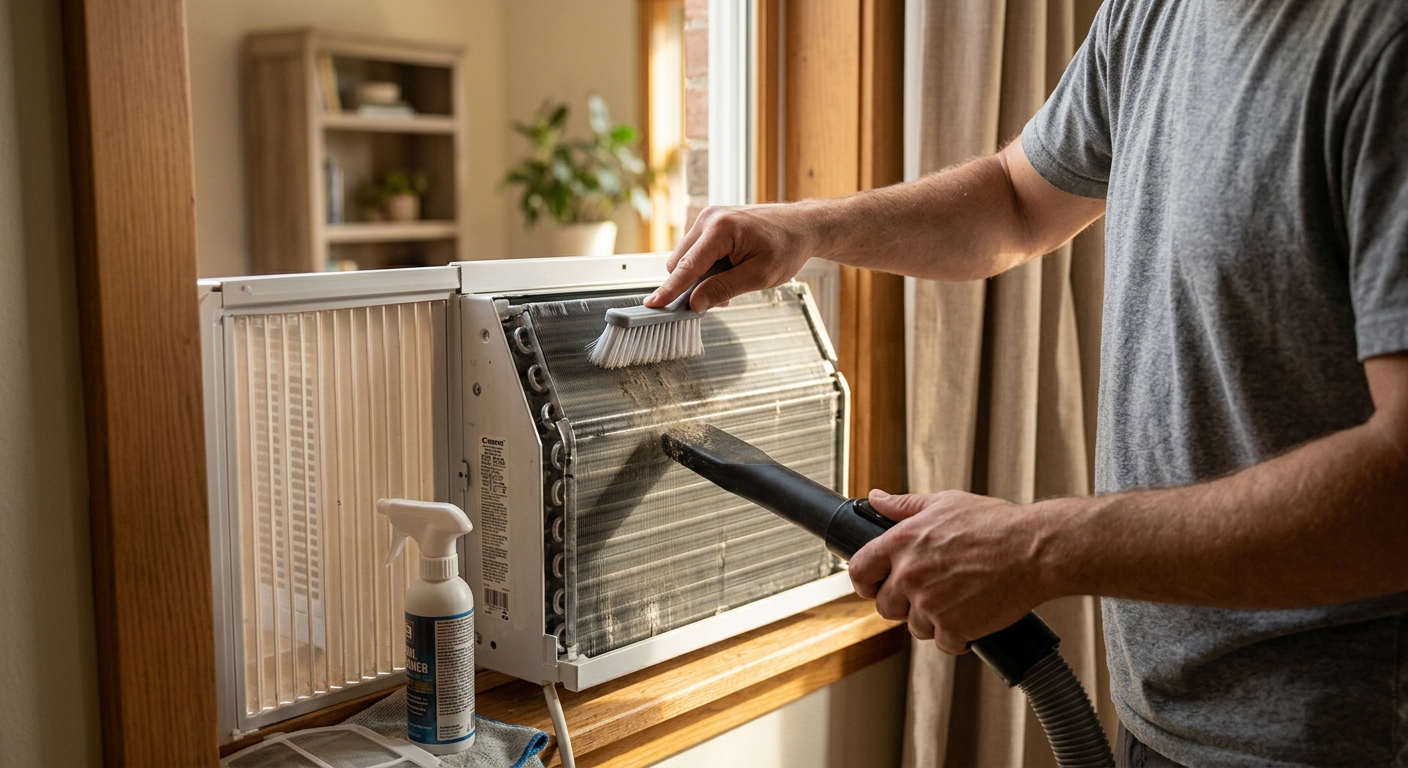
A neglected window air conditioner works harder, costs more to run, and fails sooner than one that gets a proper seasonal tune-up. In about an hour this fall or spring, you can clean, inspect, and prep your unit to cool faster, run less, and last years longer.
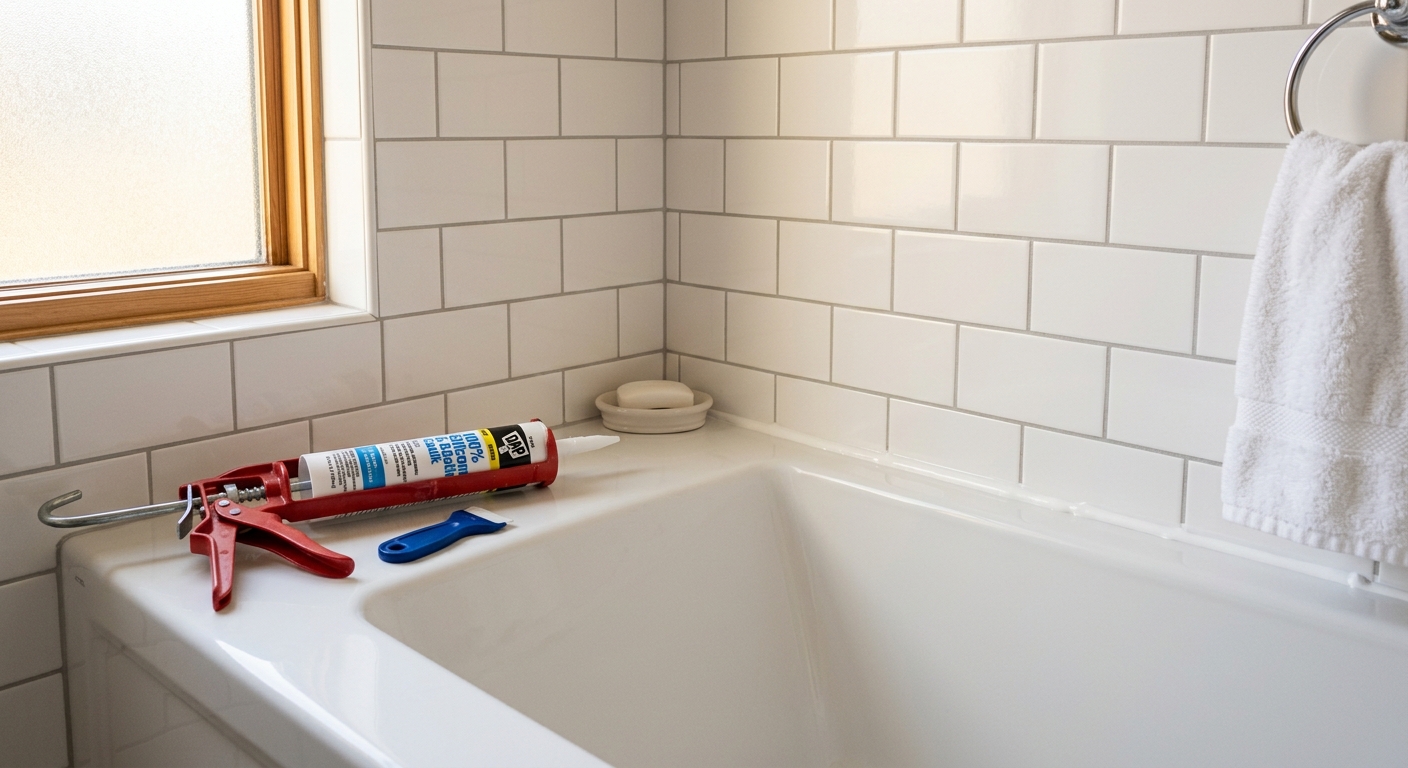
Failed or cracked caulk around your tub, shower, and sink is one of the most overlooked causes of costly water damage in homes. A simple 45-minute caulking refresh can seal out moisture, protect your subfloor and walls, and save thousands in potential repairs.
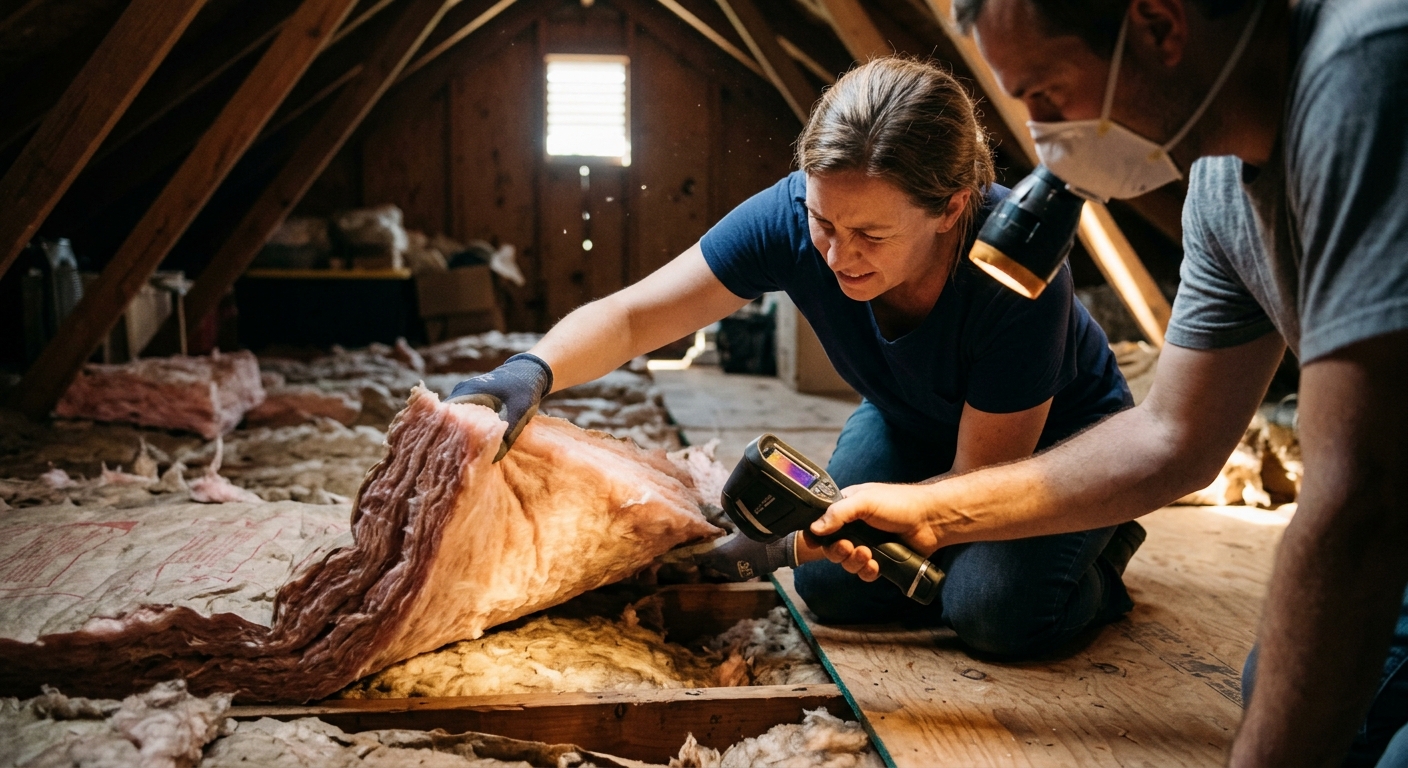
Poor insulation is one of the most common reasons homes become unbearably hot in summer and cooling bills skyrocket. This guide walks you through practical tests and fixes any homeowner can do before temperatures peak.
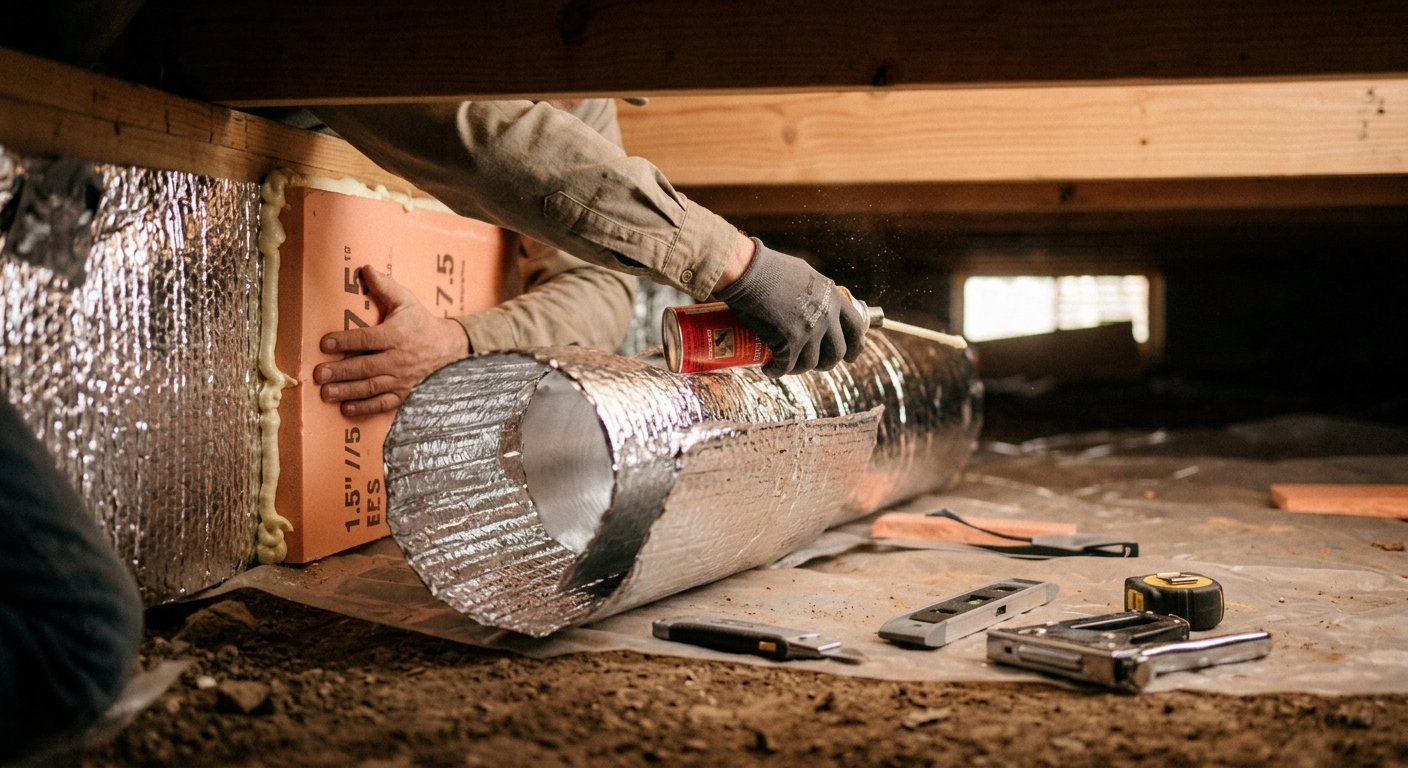
An uninsulated or poorly insulated crawl space silently drives up heating and cooling bills while making your floors cold and your home damp. The right approach costs under $500 and can cut energy bills by 15 to 25% while dramatically improving comfort.