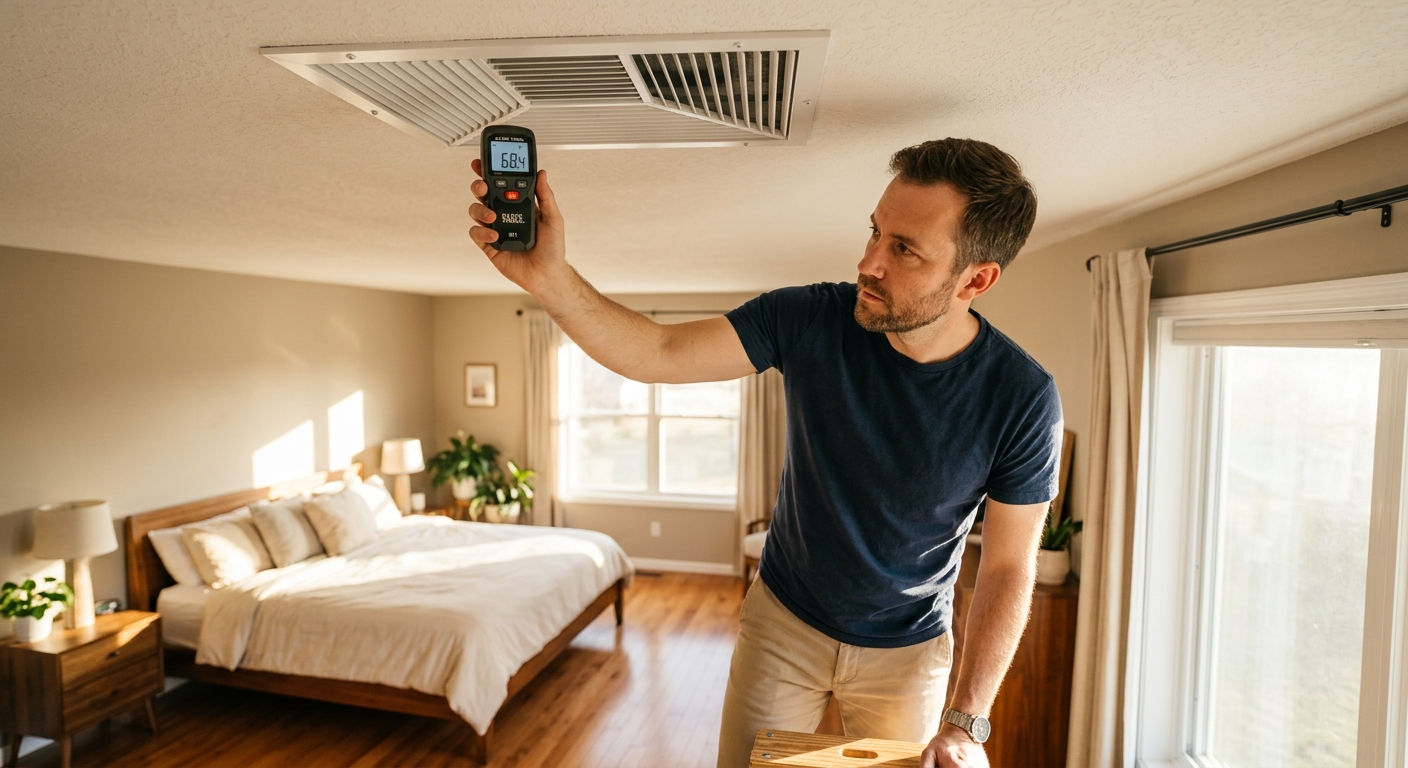
A room that stays 5 to 10 degrees warmer than the rest of the house is one of the most frustrating comfort problems homeowners face. Before spending $100 or more on a service call, you can diagnose the cause yourself in under an hour using tools you likely already own.
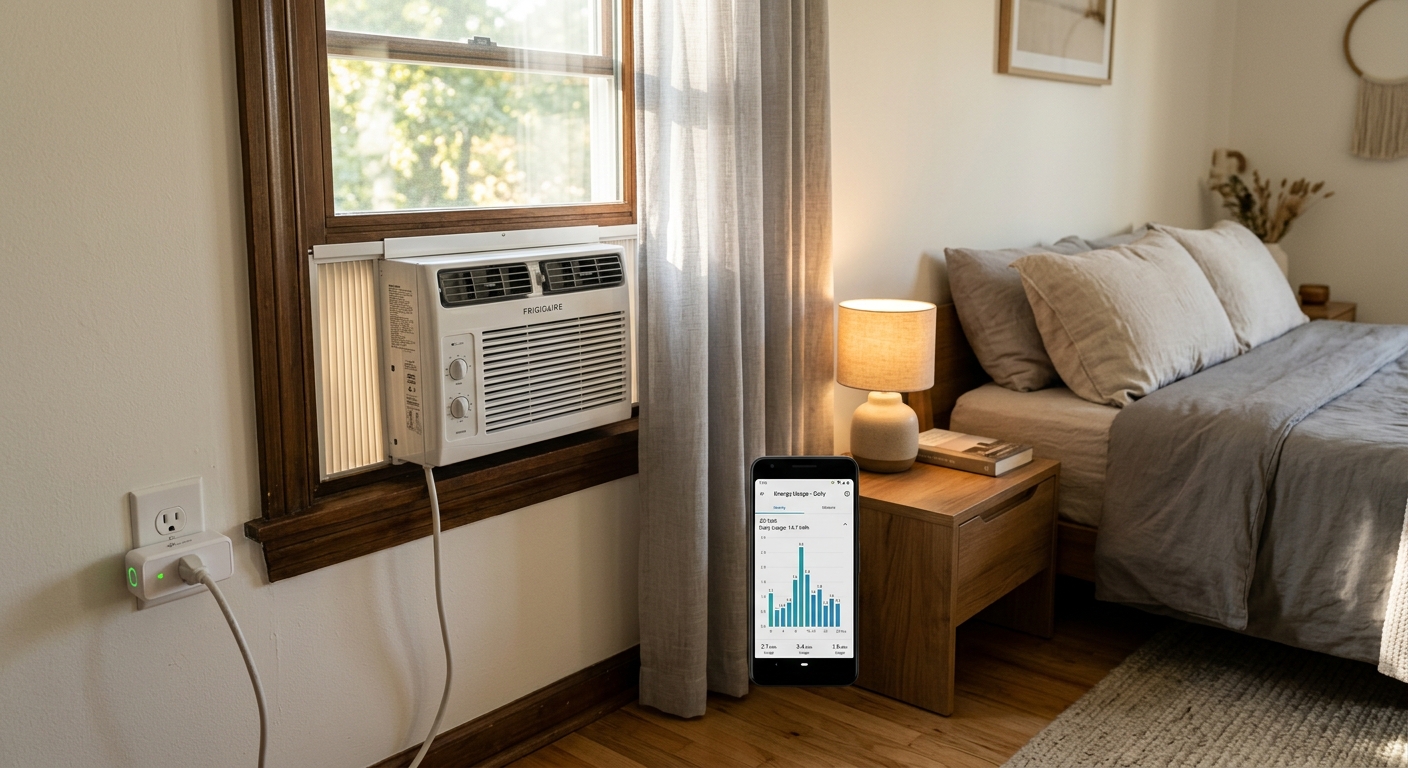
Window air conditioners are among the biggest energy hogs in a home, but most homeowners run them on fixed schedules or leave them on all day. A $15 to $30 smart plug gives you real-time energy monitoring and automated scheduling that can trim your cooling bill by 15 to 25% with almost no effort.
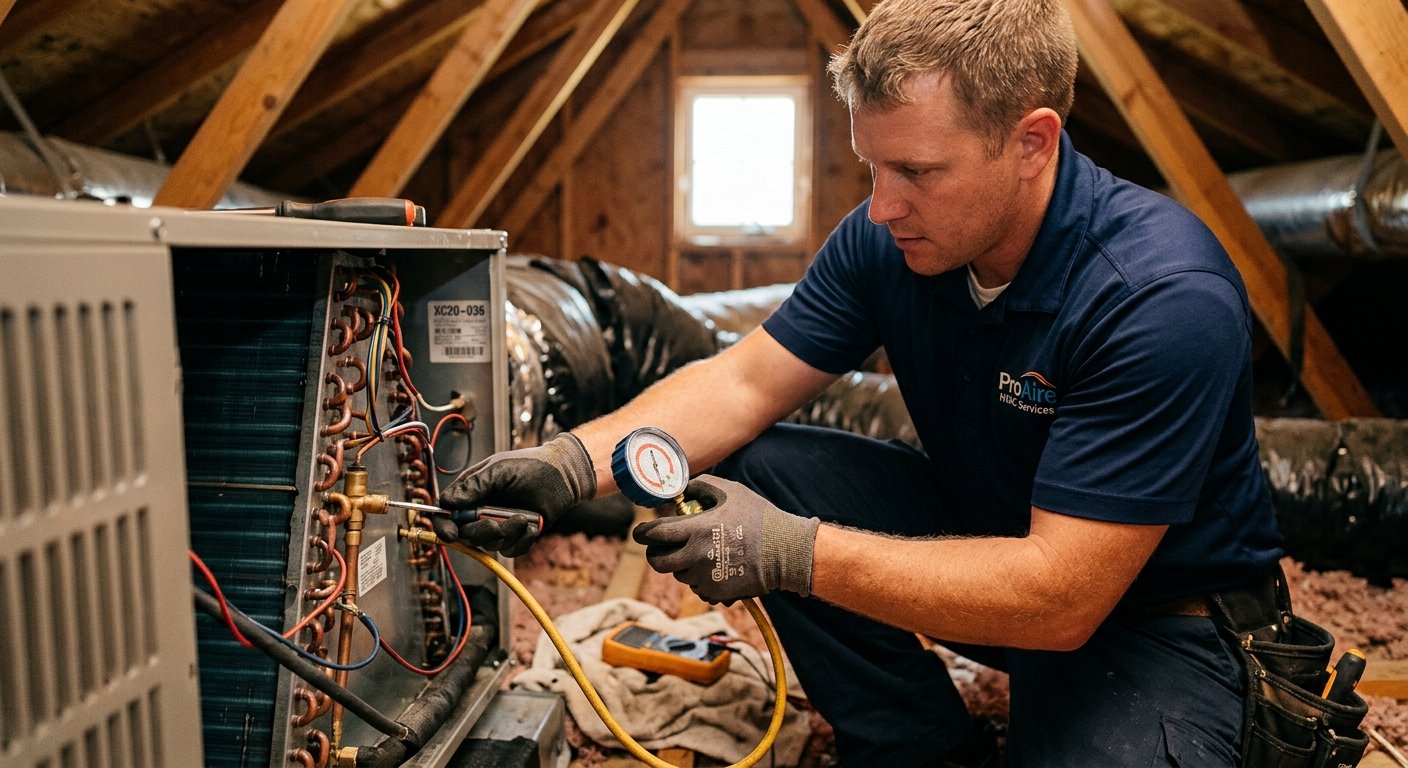
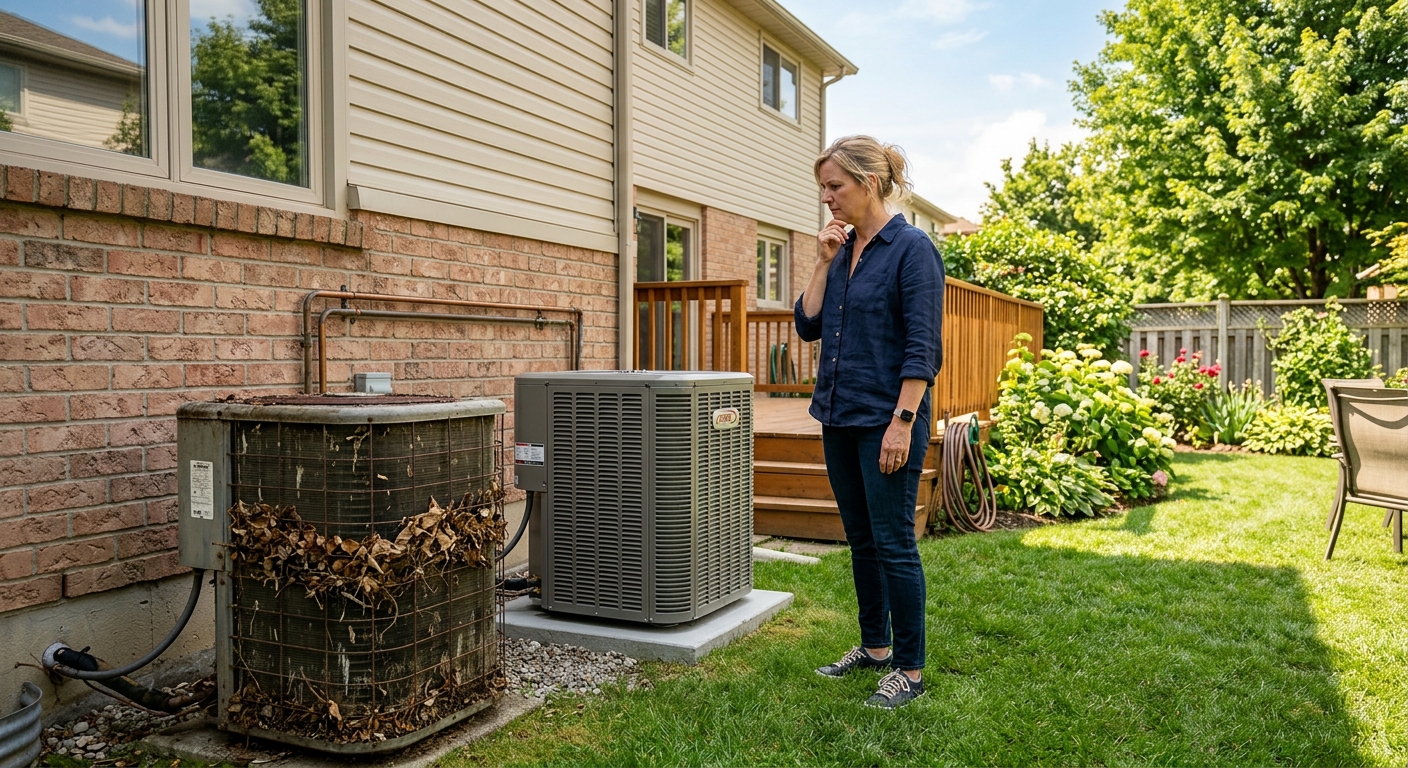
Most AC failures don’t happen without warning, but the warning signs are easy to miss until it’s too late. Knowing what to look and listen for can save you from a $3,000 emergency replacement and a miserable week waiting for a technician.
A brand-new air conditioner that struggles to keep your home cool is more common than you’d think, and the AC itself is rarely the problem. Discover the real culprits behind poor cooling performance and the practical fixes that actually work.
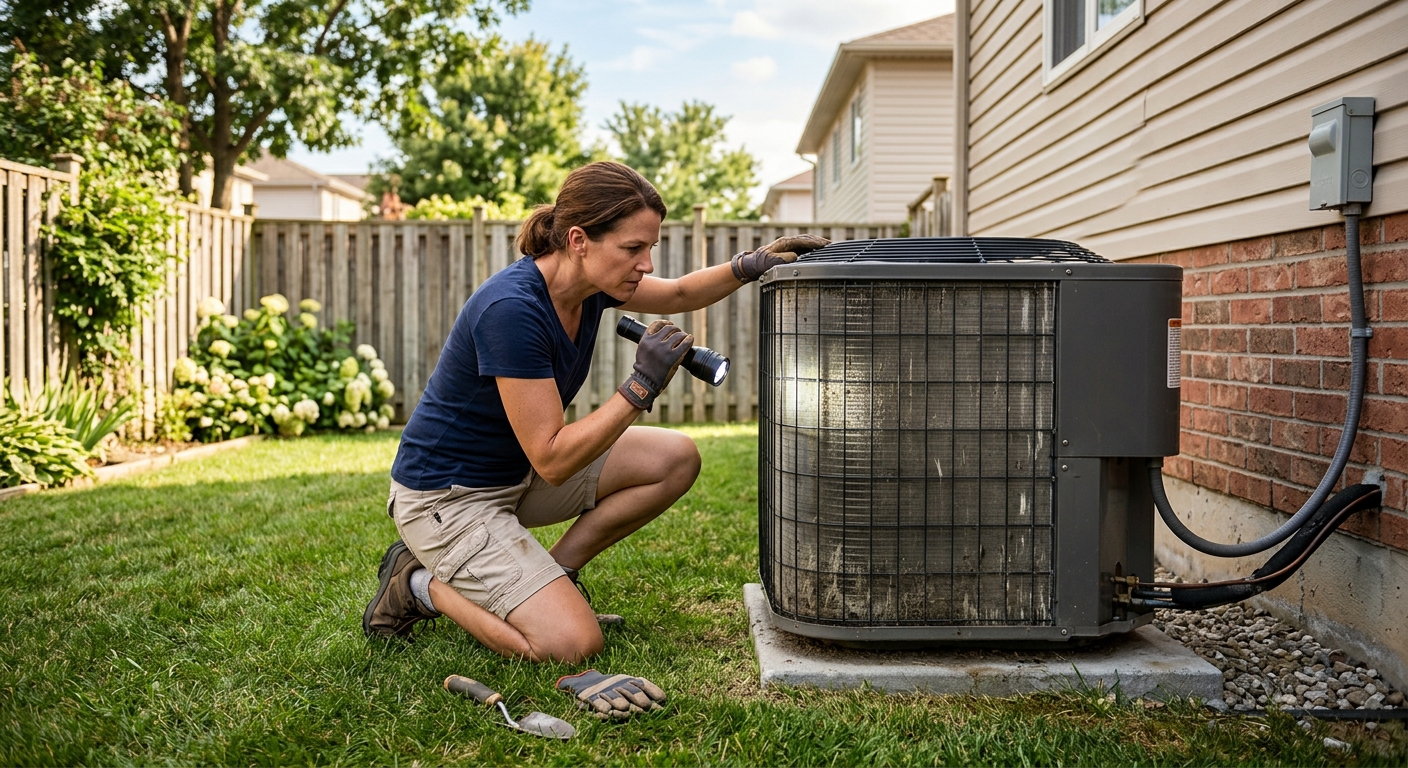
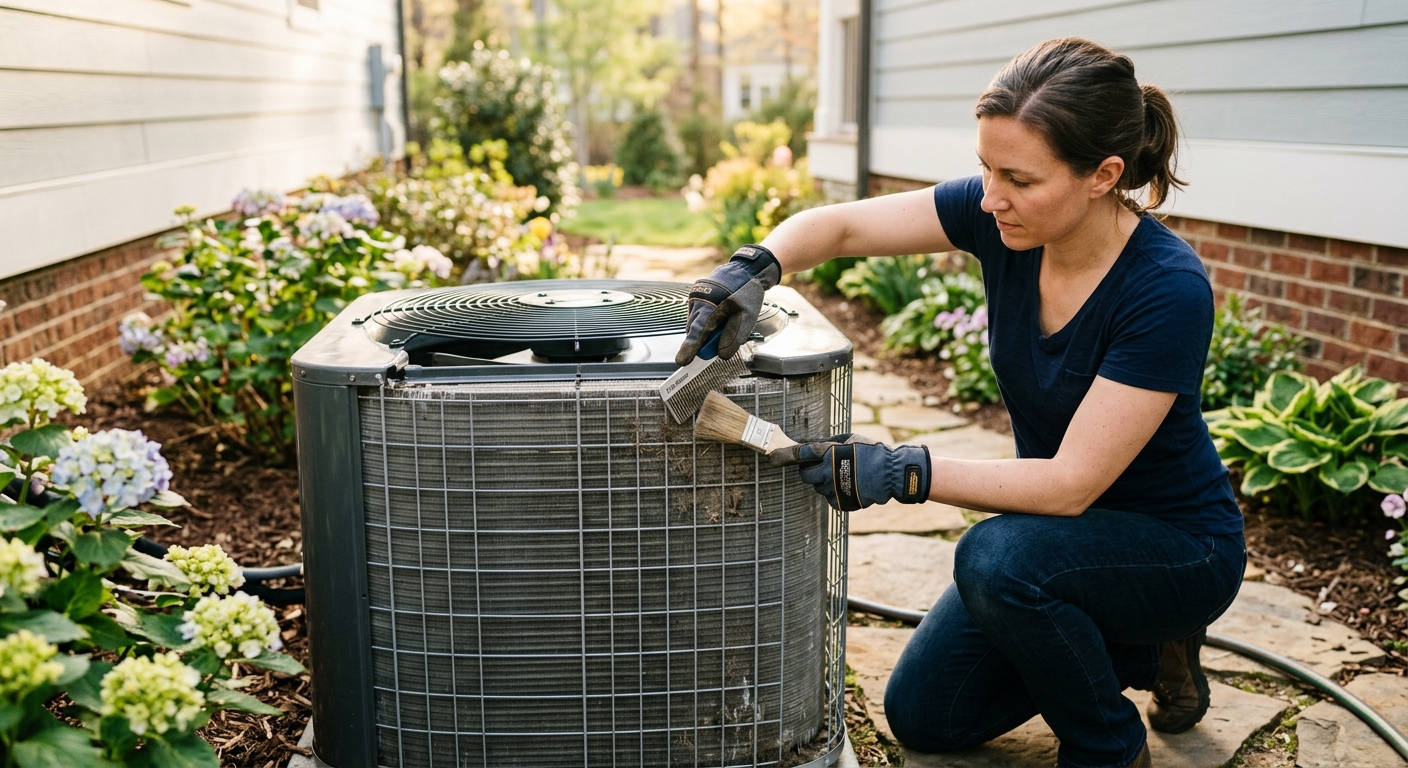
Skipping spring AC maintenance is one of the costliest mistakes homeowners make, often leading to higher bills, breakdowns on the hottest days, and shortened equipment life. A few hours of targeted maintenance each spring can cut cooling costs by up to 25% and add years to your system’s lifespan.
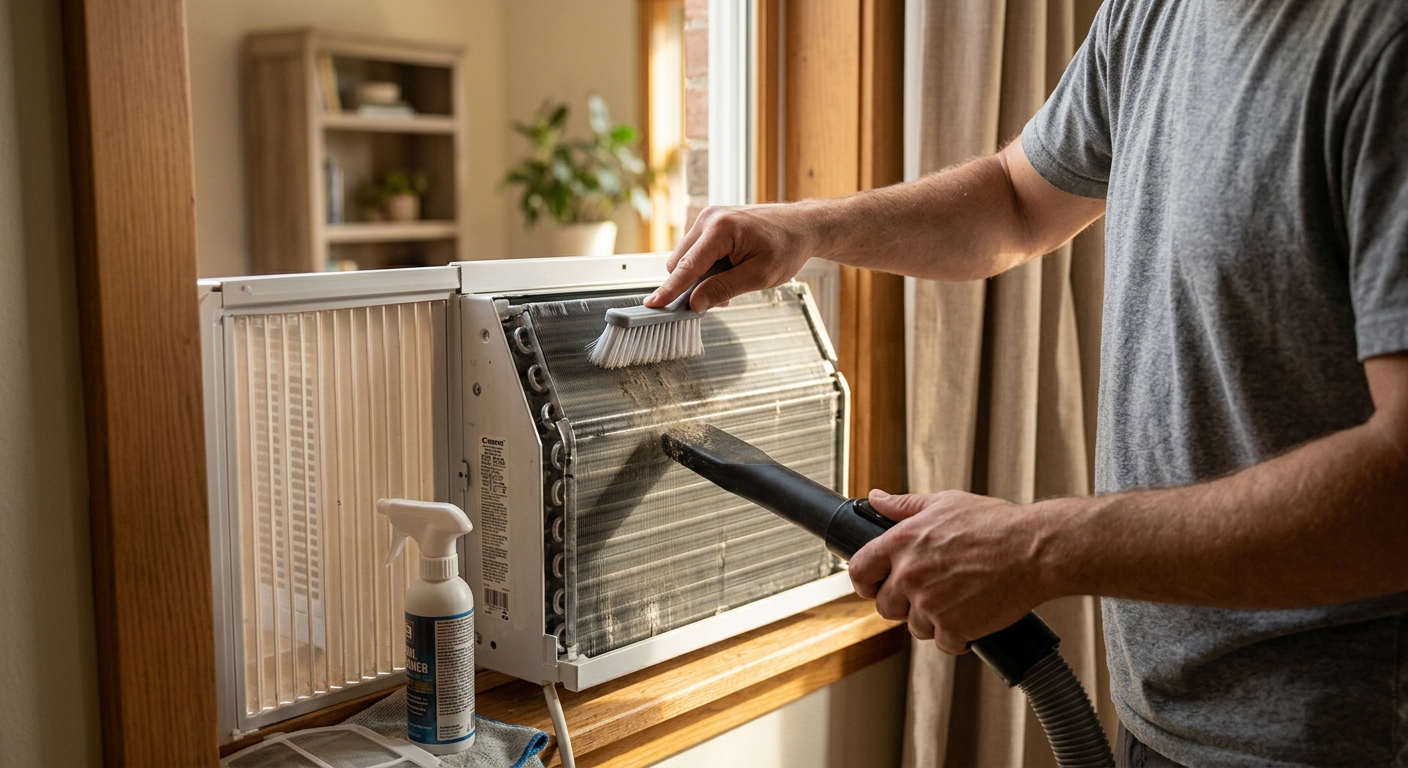
A neglected window air conditioner works harder, costs more to run, and fails sooner than one that gets a proper seasonal tune-up. In about an hour this fall or spring, you can clean, inspect, and prep your unit to cool faster, run less, and last years longer.
Facing an AC repair bill that makes you wonder if a new system would cost less in the long run is one of the most stressful decisions a homeowner can make. This guide breaks down the real numbers so you can decide with confidence instead of guessing.
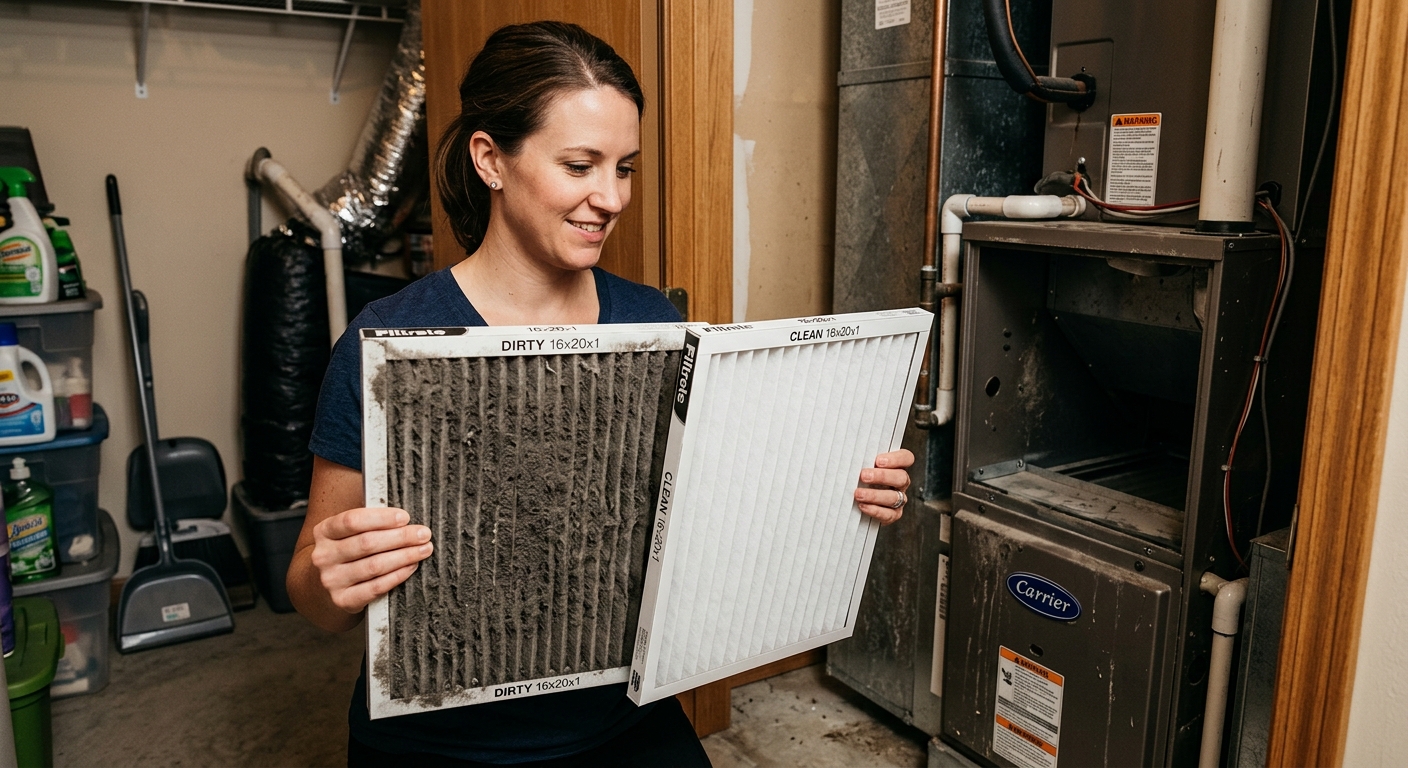
A clogged or wrong-sized HVAC filter is one of the most common and costly mistakes homeowners make, quietly driving up energy bills and shortening system life. Learn the 7 warning signs and exactly what to do about them before your system pays the price.
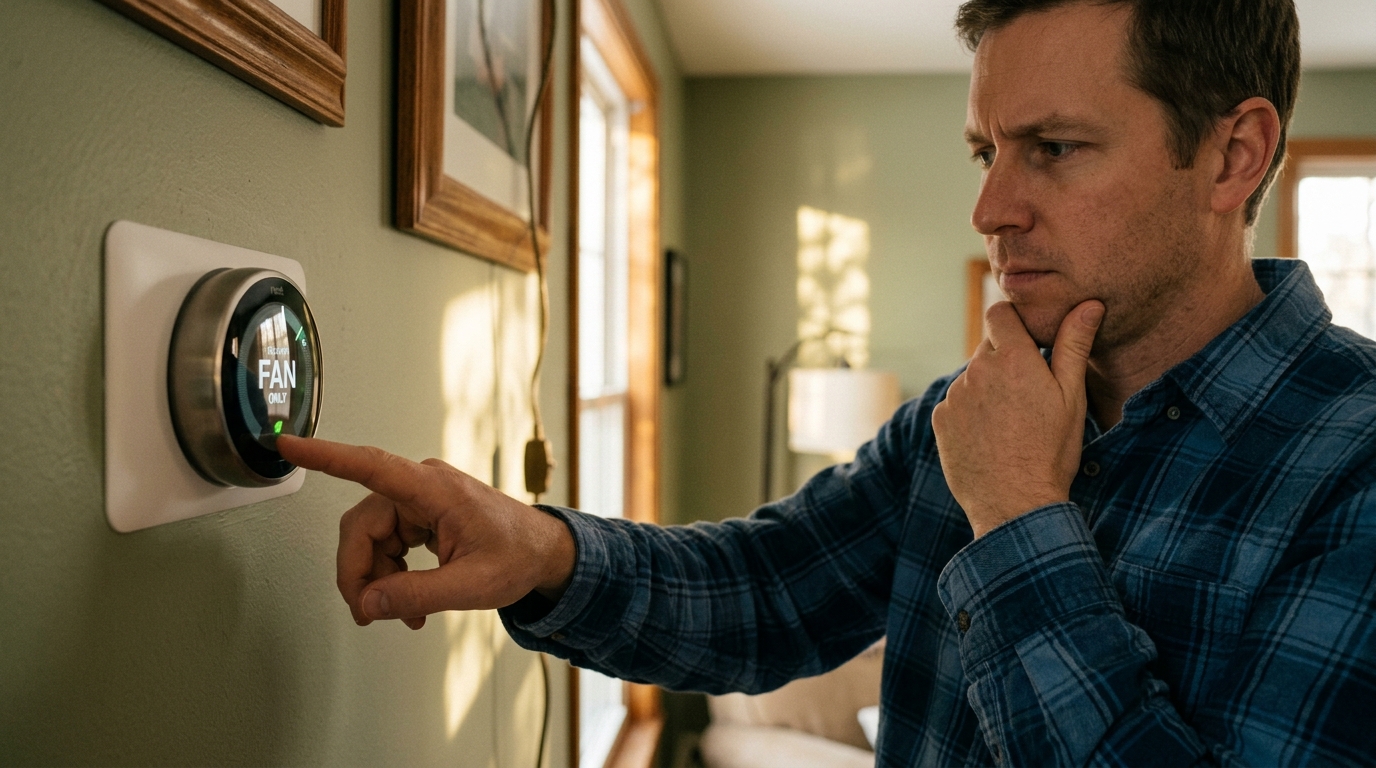
Many homeowners flip their thermostat fan to ‘ON’ thinking it helps circulate cool air and save money, but it often does the opposite. Running the fan continuously can add $15 to $25 per month to your electricity bill while actually making your home feel more humid and uncomfortable.
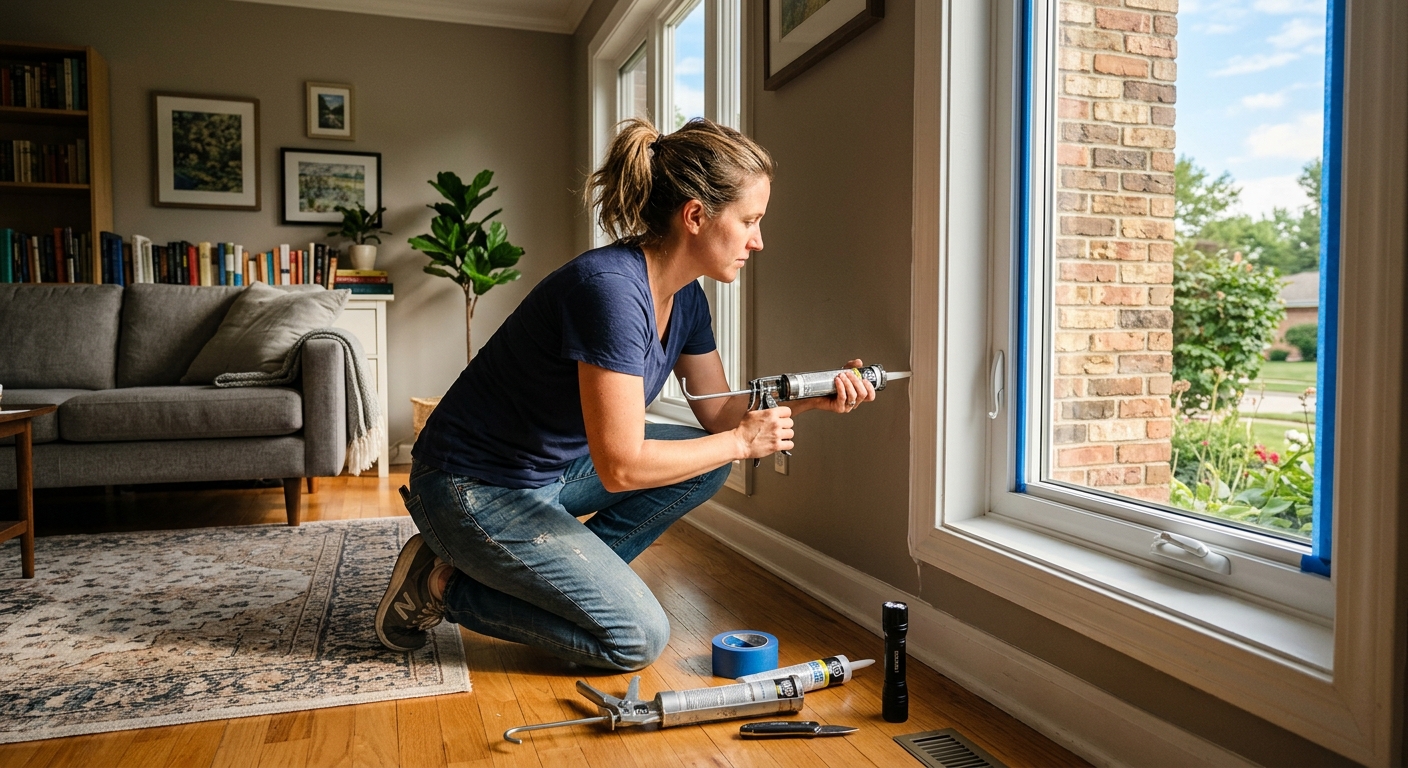
Hidden gaps and cracks around your home let hot outside air pour in all summer, forcing your AC to work overtime. Sealing those leaks is one of the highest-ROI upgrades a homeowner can make, often cutting cooling bills by 15 to 25% with a single weekend of work.