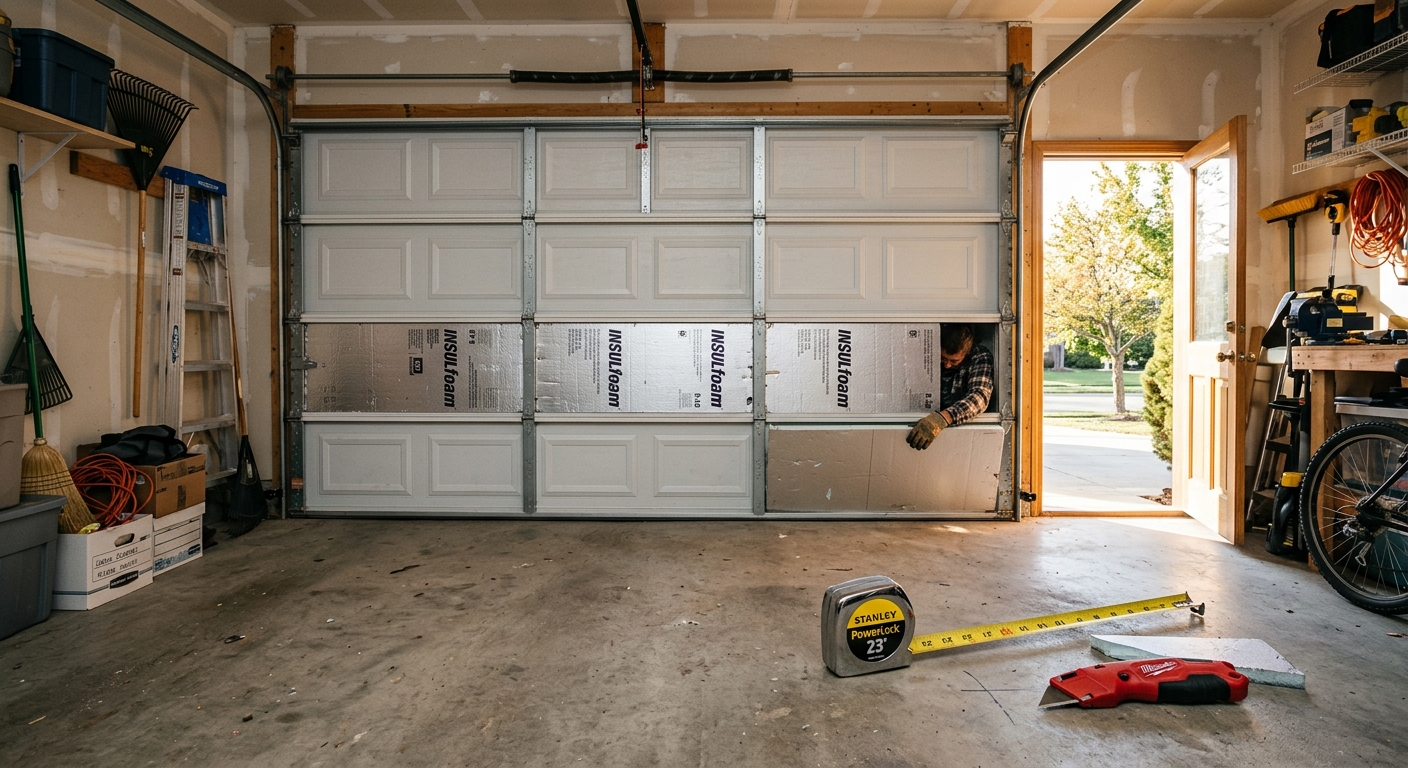
An uninsulated garage door is one of the biggest thermal weak points in your home, letting heat pour in during summer and cold seep in during winter. Add insulation to your garage door this weekend and you can cut garage temperature swings by 20 degrees or more, lower your energy bills, and protect everything stored inside.
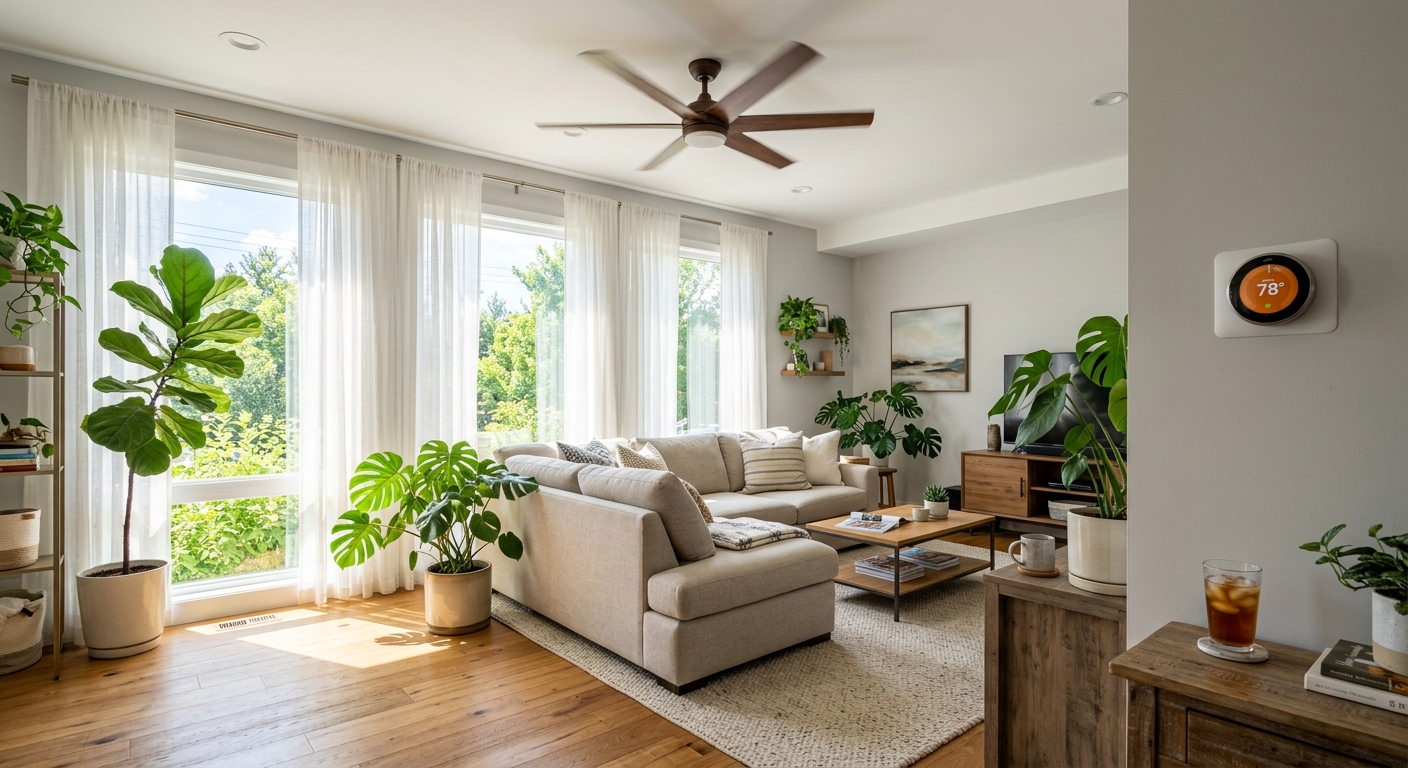
Most homeowners run their ceiling fans in the wrong direction all summer, canceling out the cooling effect entirely. A single switch flip takes 30 seconds and can cut your perceived temperature by 4 degrees Fahrenheit, letting you raise your thermostat and save real money.
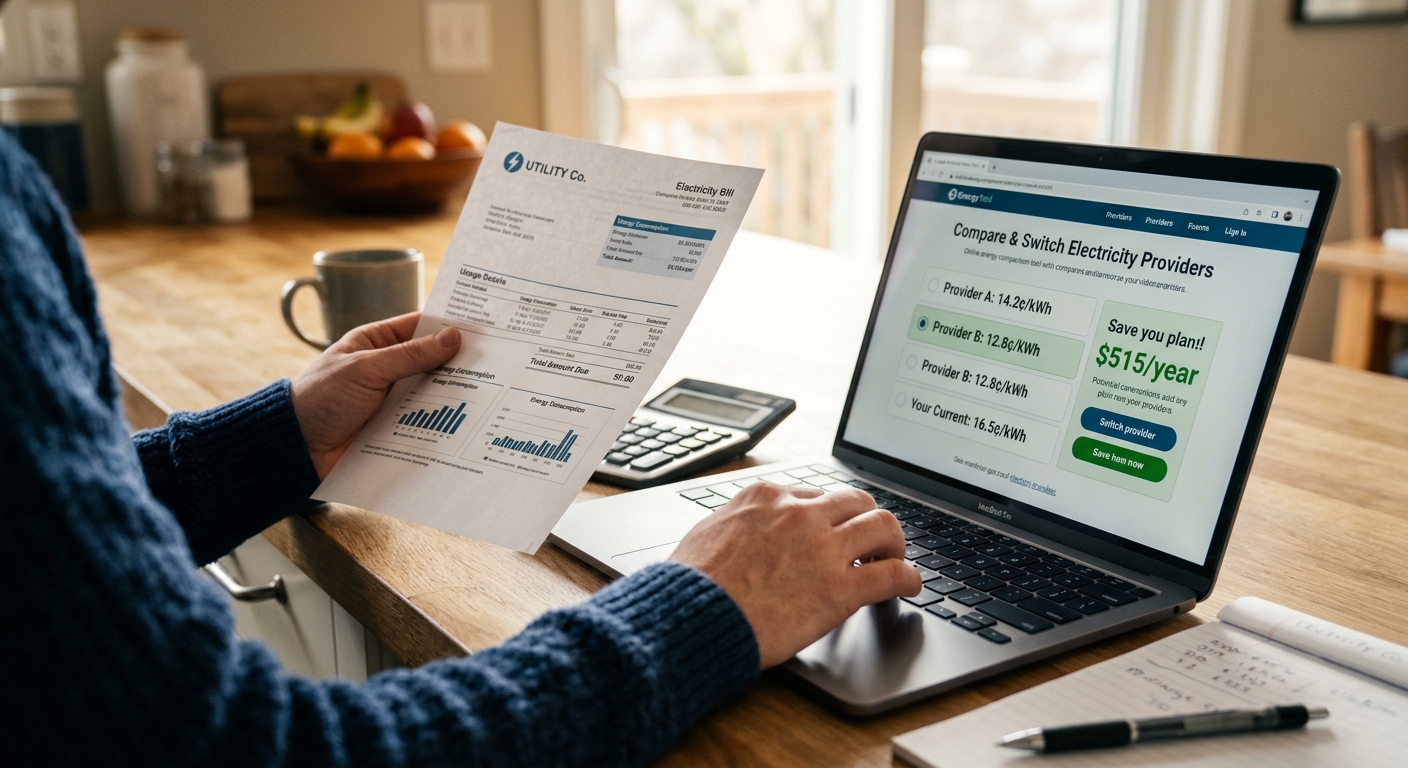
Most homeowners overpay for electricity simply because they have never compared rates or explored alternative providers in deregulated markets. Switching to a lower-rate plan or provider takes less than an hour and can realistically save $300 to $600 in year one alone.
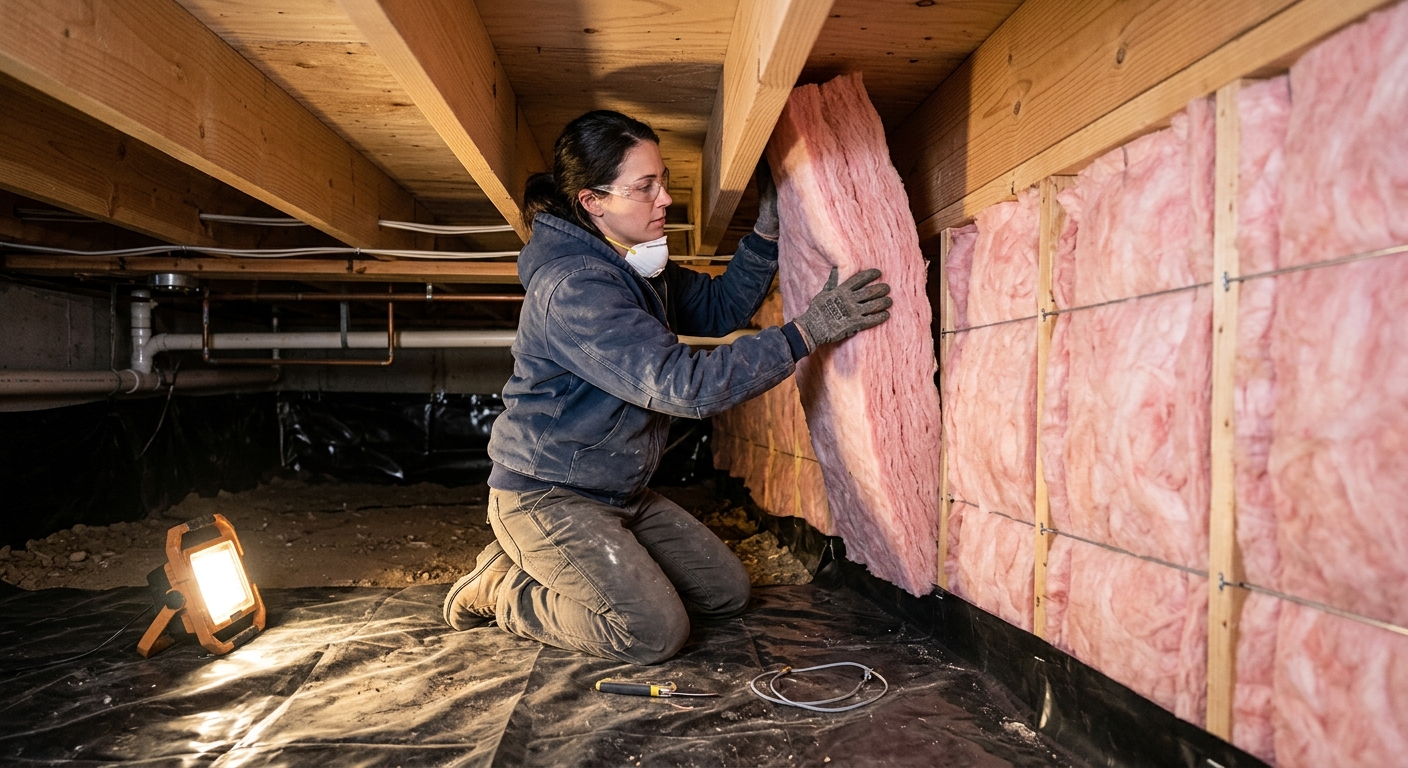
Floors over unheated crawl spaces, garages, and basements are one of the most overlooked sources of heat loss in a home. The right insulation approach can cut heating bills by 10 to 20% and eliminate that cold-floor problem for good.
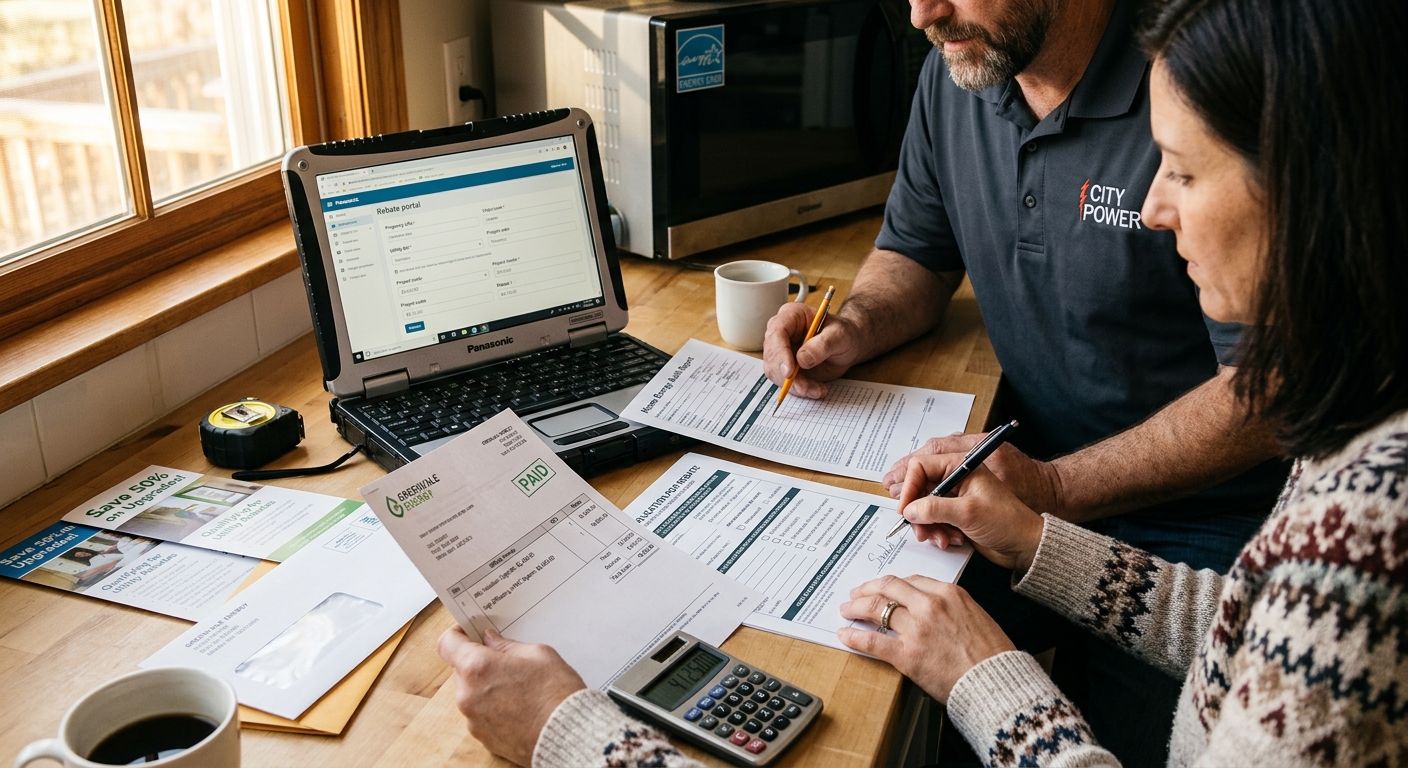
Most homeowners leave hundreds or even thousands of dollars in utility rebates unclaimed every year simply because they do not know where to look or how to apply. With the right approach, rebates and tax credits can cover 30 to 50% of the cost of heat pumps, insulation, water heaters, and more.
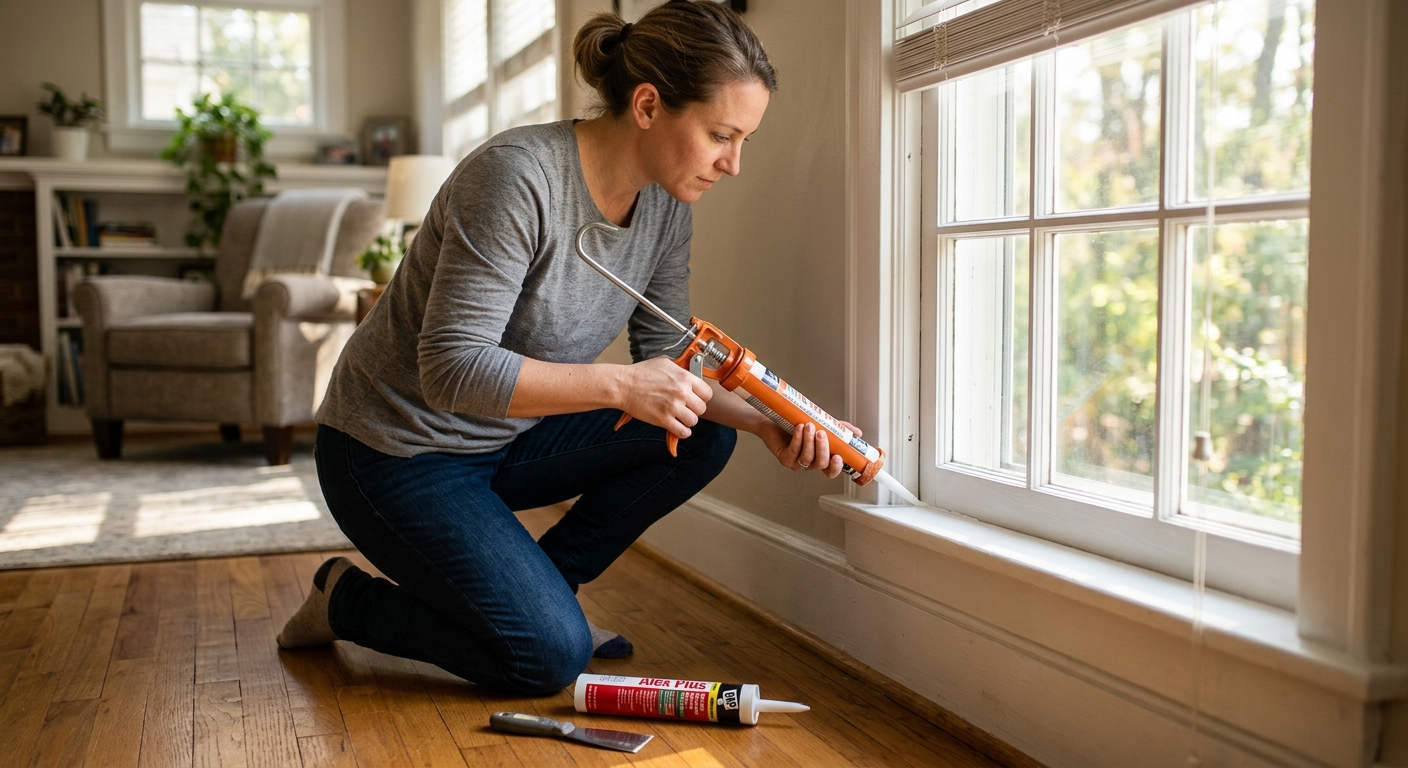
Gaps and cracks around windows, doors, and utility penetrations silently drain your heating and cooling budget while letting insects and moisture sneak inside. A single weekend with a caulk gun can seal most of these leaks and cut your energy bills by 10 to 20 percent.
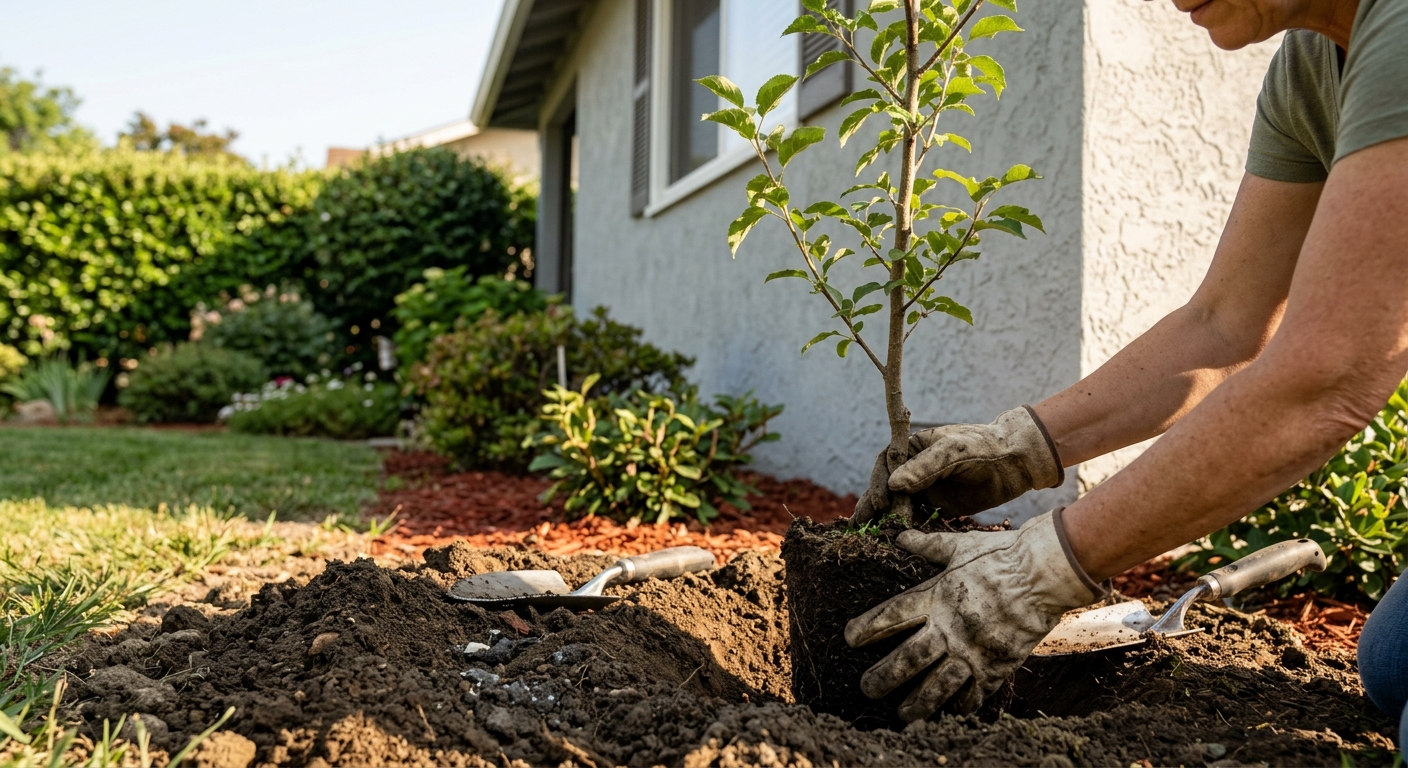
Unshaded walls and windows can make your AC work twice as hard during summer, driving up energy bills significantly. Strategic tree and shrub placement can cut cooling costs by up to 25%, with many plantings paying for themselves in under 10 years.
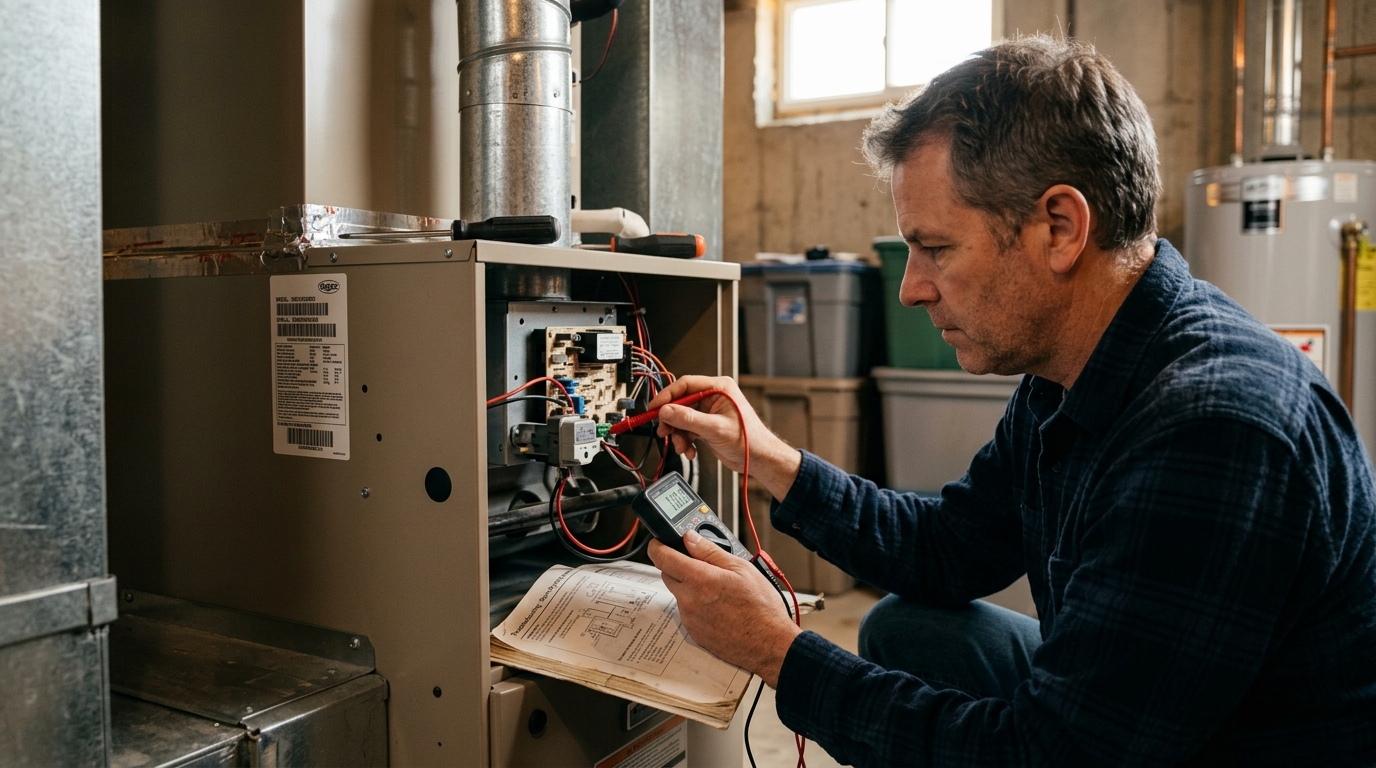
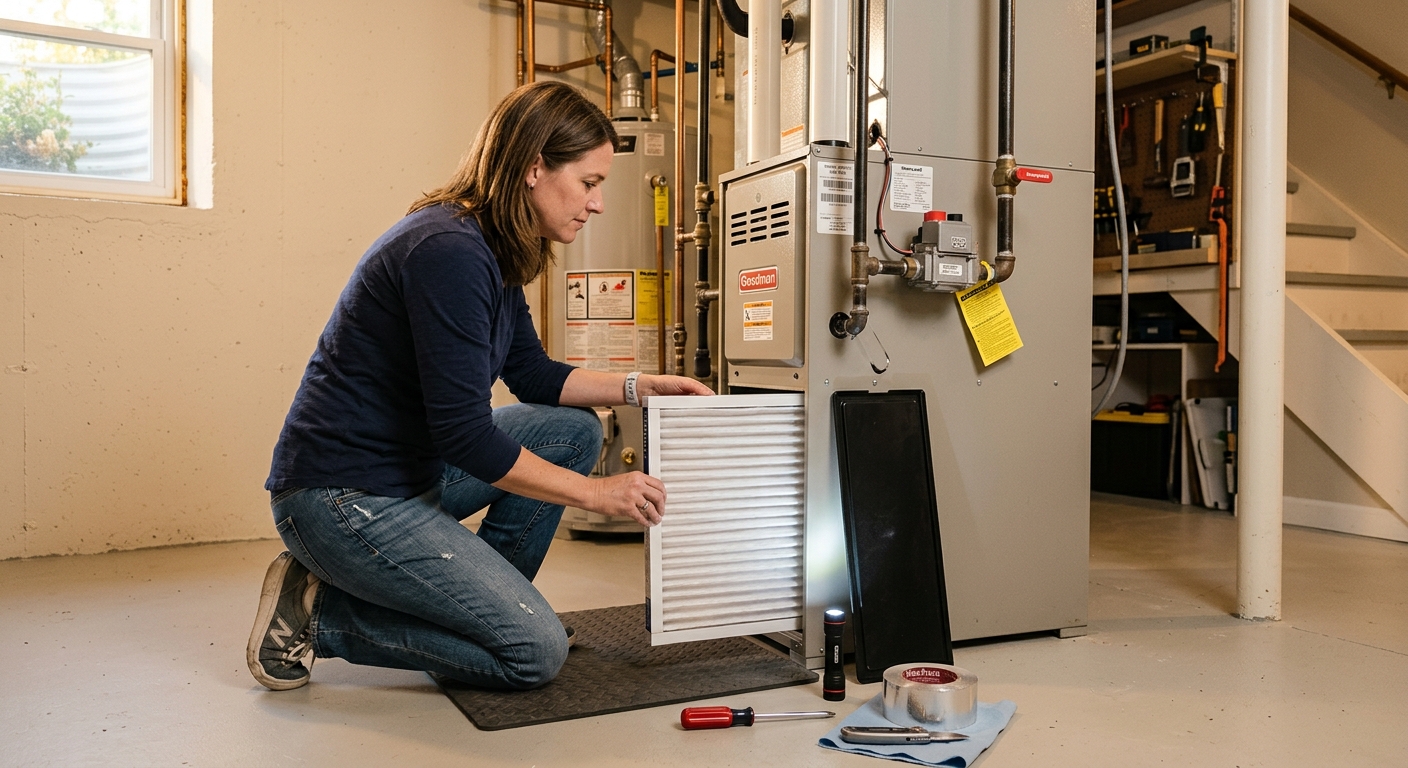
A furnace that turns on and off every few minutes wastes energy, strains components, and signals an underlying problem that will only get worse. Most short cycling causes are diagnosable by a homeowner in under an hour, potentially saving you a $100 to $200 diagnostic fee.
Most homeowners flip on the furnace the first cold morning without a second thought, then wonder why their heating bills spike. Tackling four simple checks before that first ignition can cut your heating costs by 20 to 35% and prevent breakdowns on the coldest nights of the year.
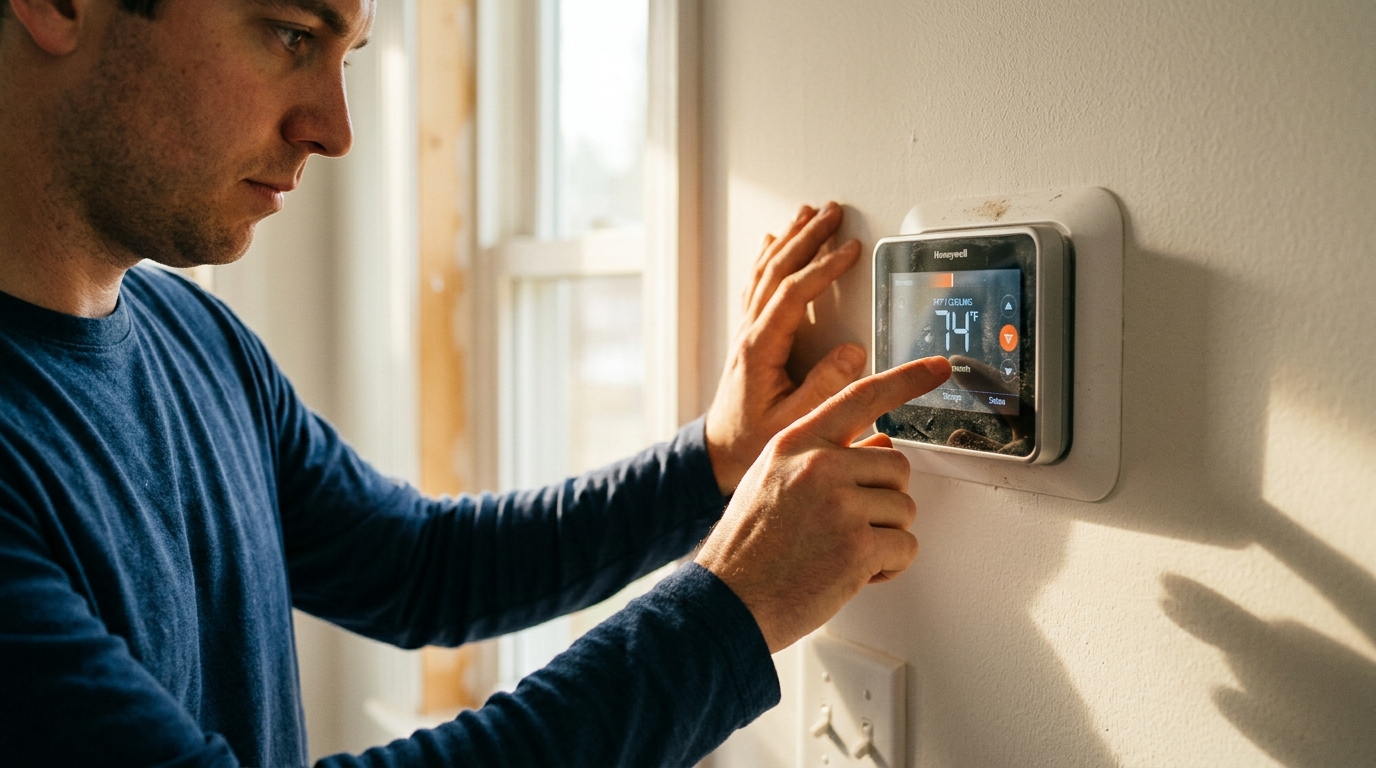
Moving into a new home often brings unexpected comfort problems like hot and cold spots, stuffy air, and inconsistent temperatures that your previous home never had. The good news is that most of these issues trace back to a handful of fixable root causes you can diagnose and address in a single weekend.