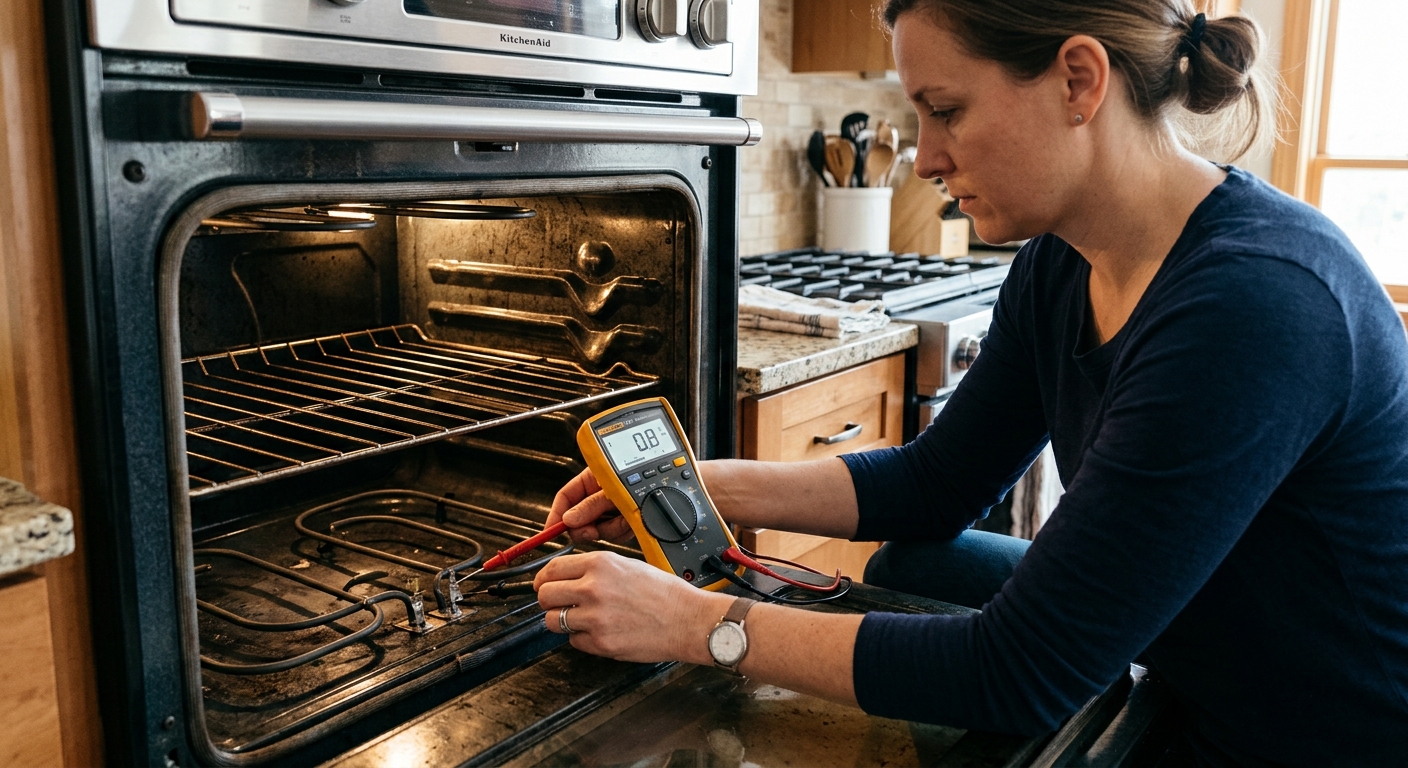
A slow-to-preheat oven wastes energy, ruins recipes, and often signals a fixable problem. Learn how to diagnose the real cause and decide whether a quick calibration, a $20 part swap, or a service call will solve it.
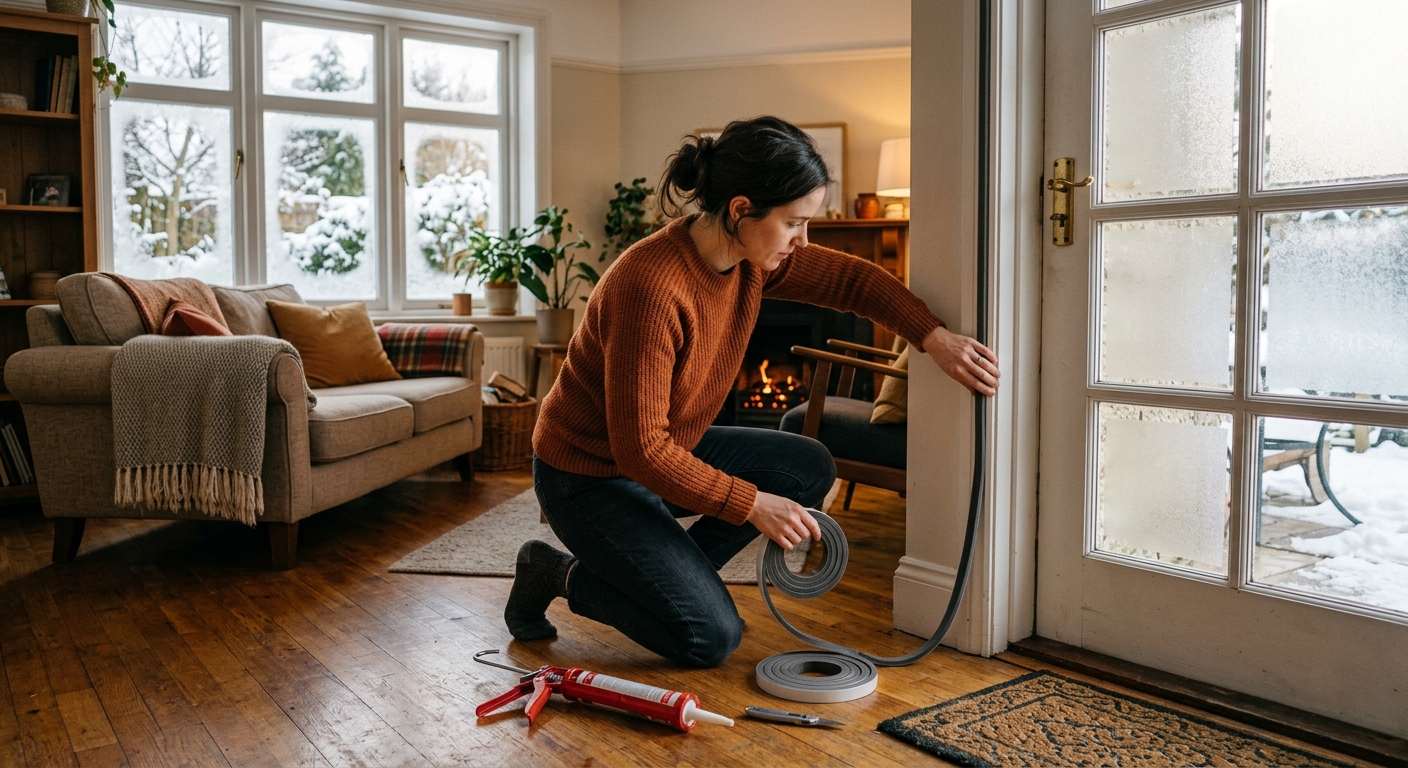
Most homes lose a significant portion of their heating dollars through gaps and cracks that are cheap and easy to seal. A $15 investment in weatherstripping and caulk can realistically save $150 to $200 per year on heating bills.
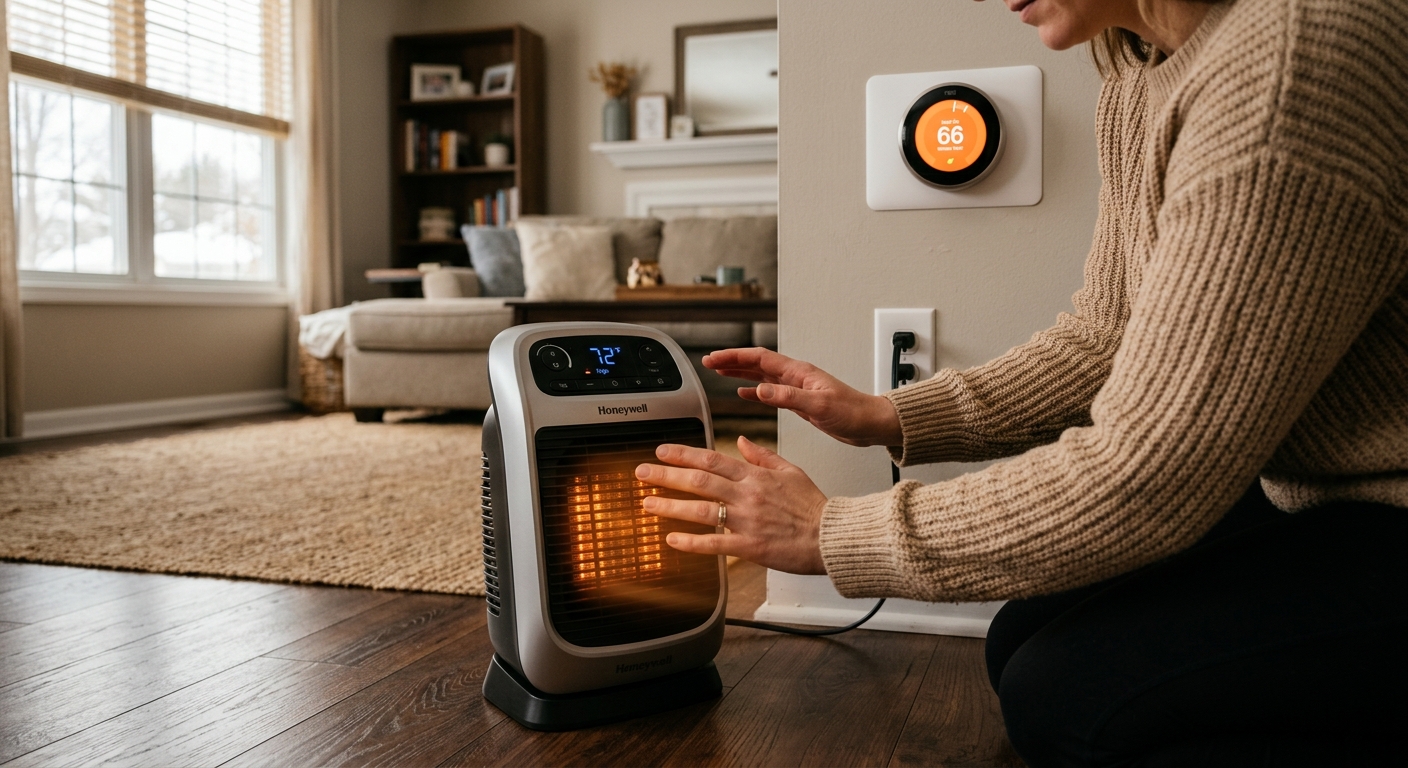
Many homeowners assume plugging in a space heater saves money compared to cranking the central heat, but the real answer depends on how many rooms you heat and for how long. This post breaks down the math, the myths, and the situations where space heaters genuinely win.
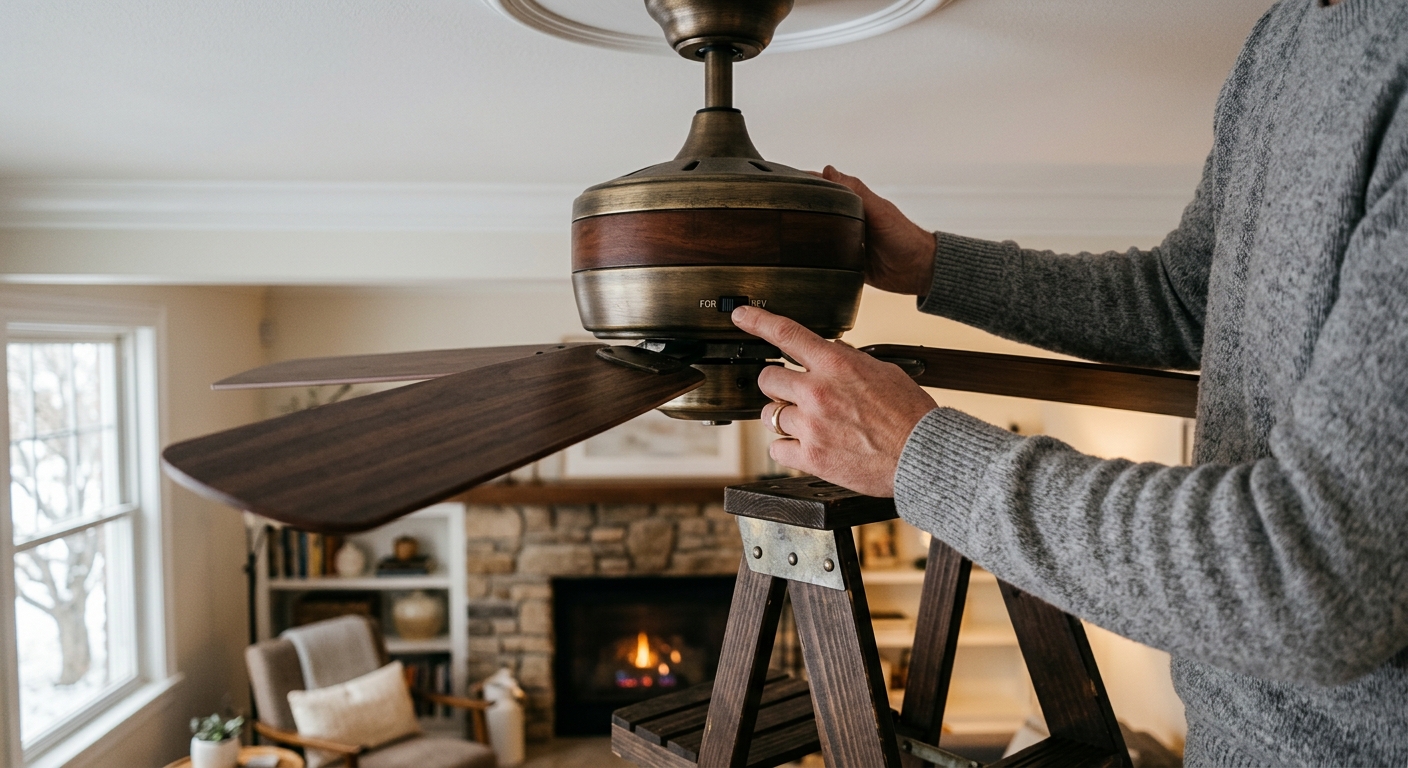
Most homeowners leave their ceiling fans spinning the same direction year-round, unknowingly making their heating system work harder every single winter. Reversing your ceiling fan to spin clockwise at low speed in winter pushes warm air down from the ceiling, reducing heating costs by up to 15%.
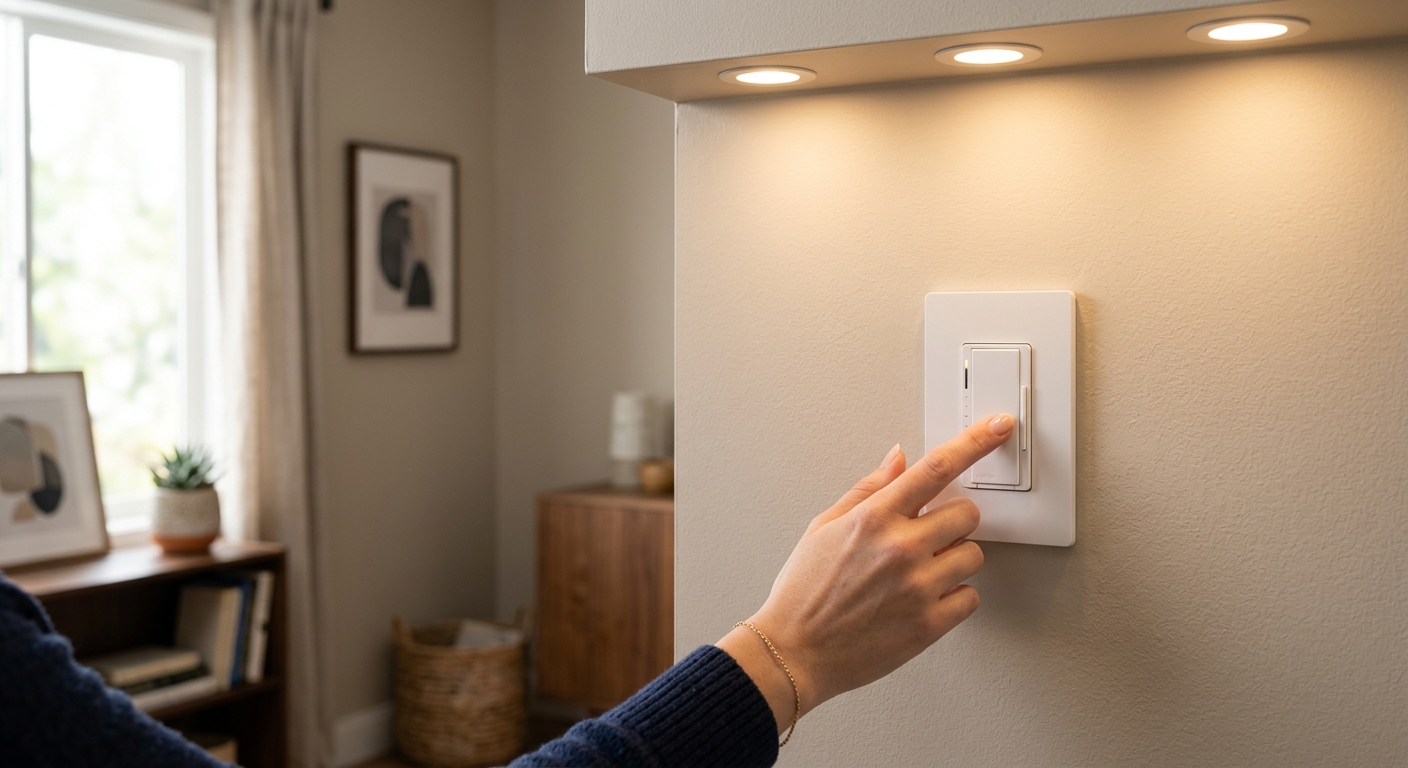
You switched to LED bulbs to save money, but now they flicker, hum, or dim unevenly. The culprit is almost always an incompatible dimmer switch, and fixing it costs less than $20.
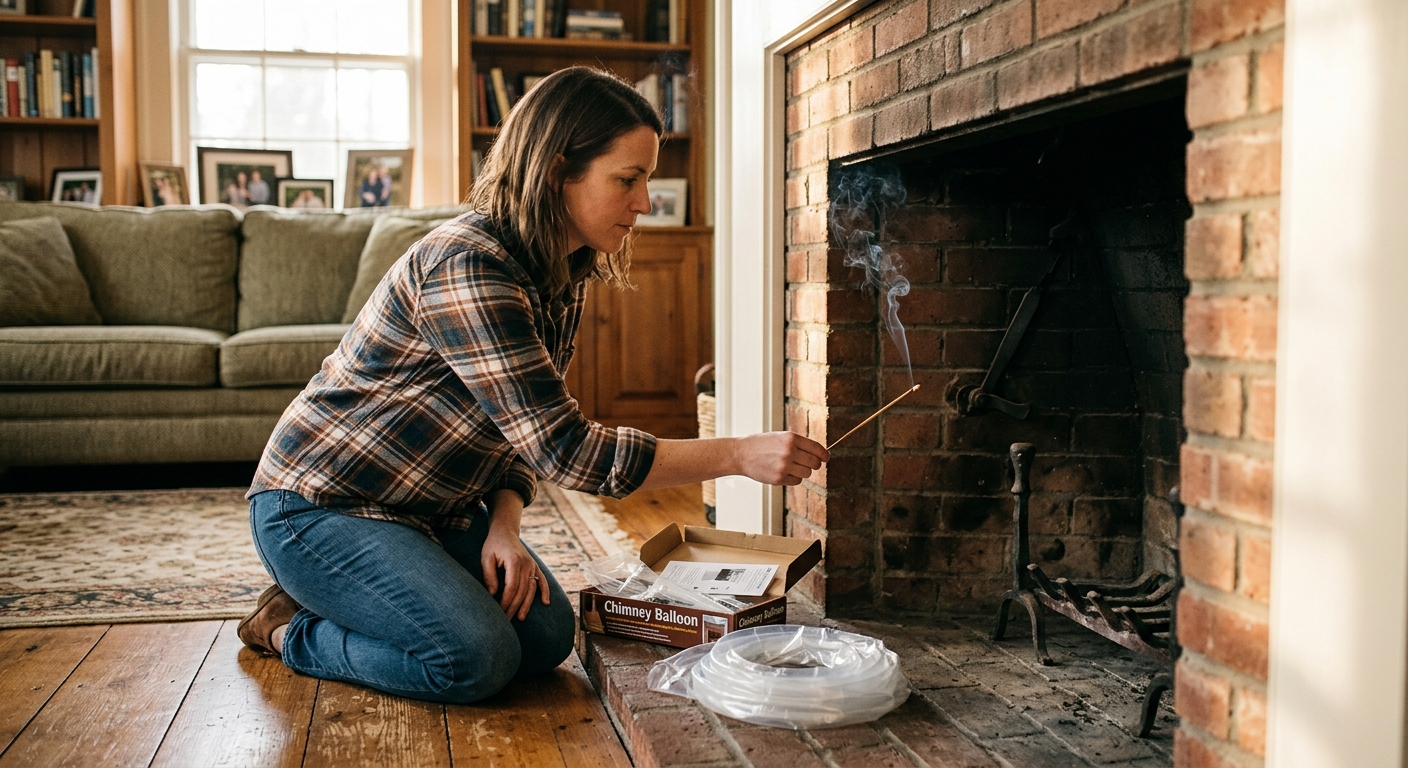
Most homeowners think of their fireplace as a cozy feature, not a costly liability. A drafty fireplace can silently drain hundreds of dollars in heating and cooling costs every year, and most people never connect the problem to their energy bills.
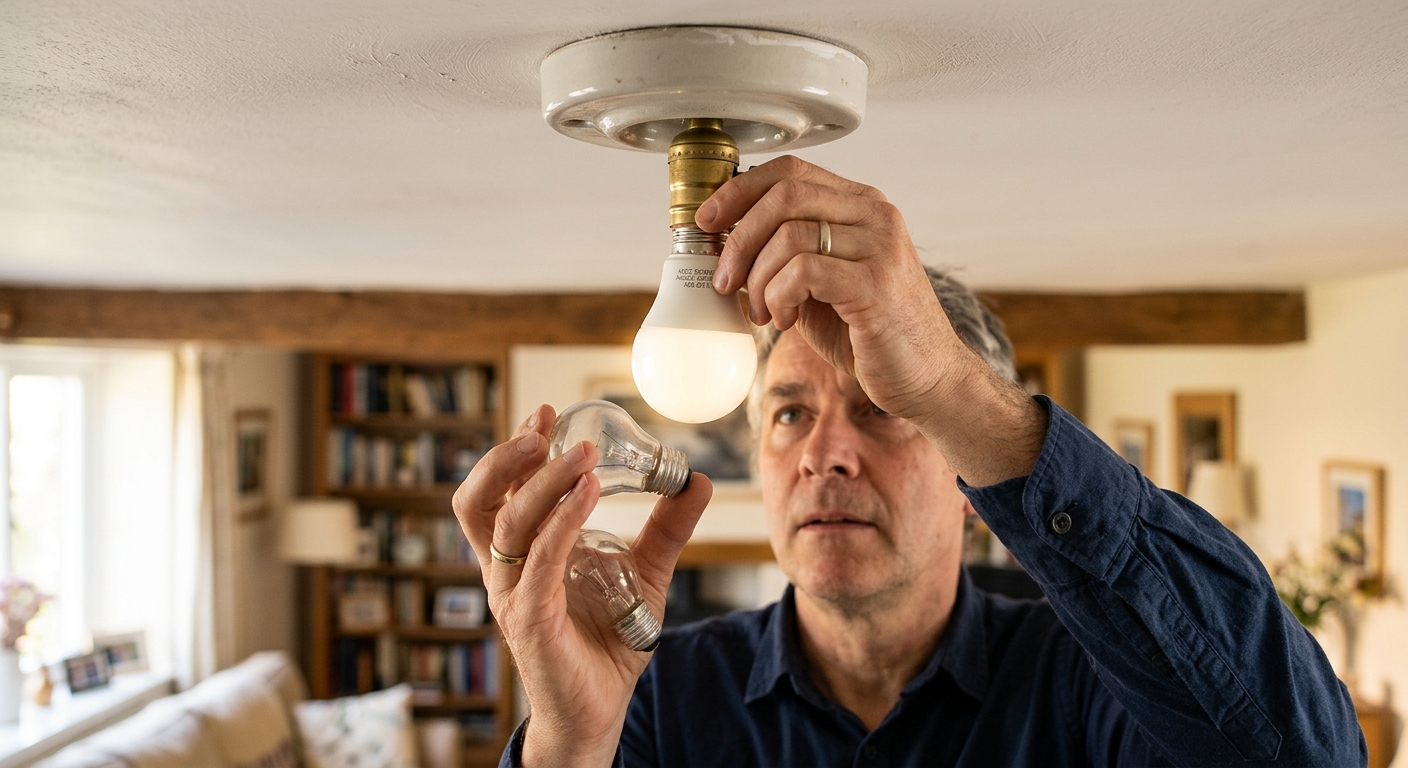
Most homeowners underestimate how much their lighting costs them each month, especially if older incandescent or CFL bulbs are still in the mix. Swapping to LEDs is one of the rare home upgrades that pays for itself in months, not years, and requires zero tools or expertise.
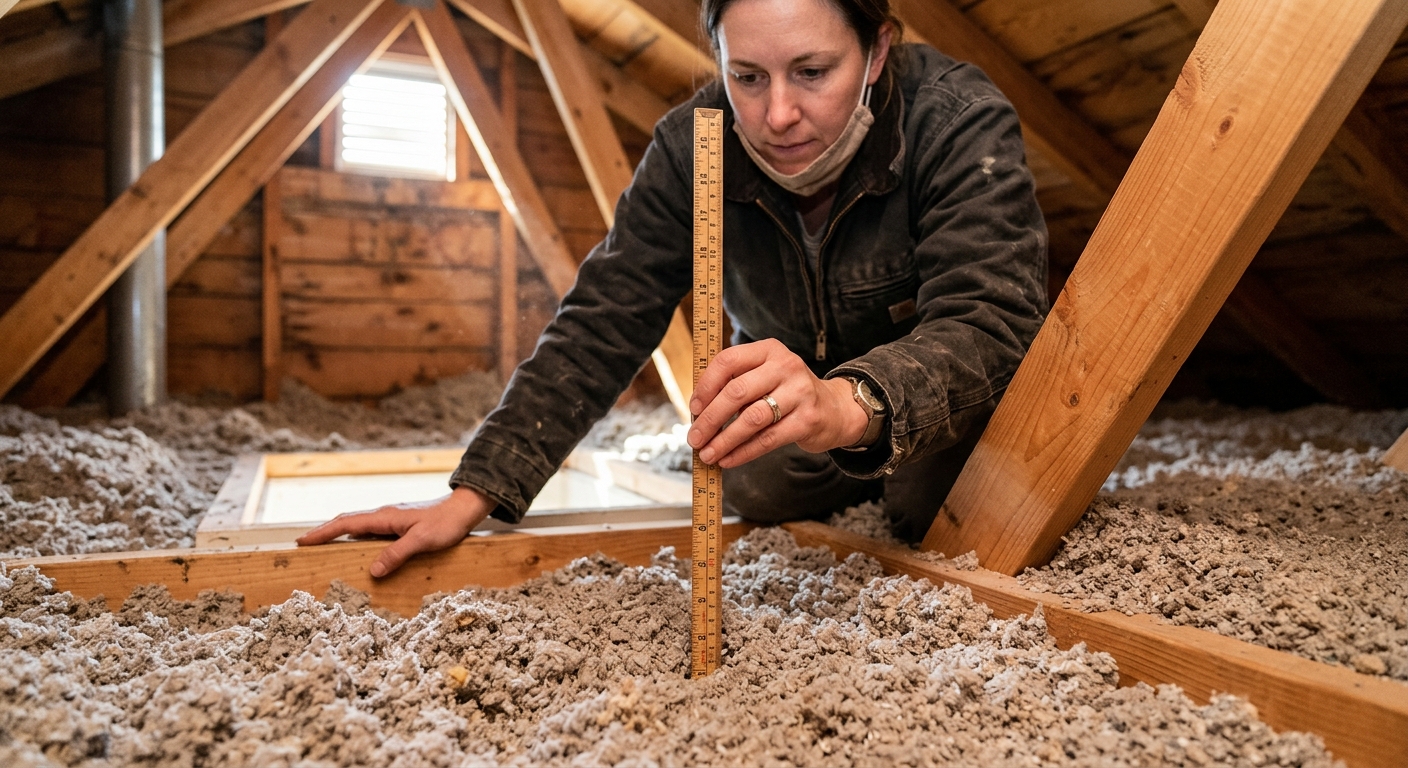
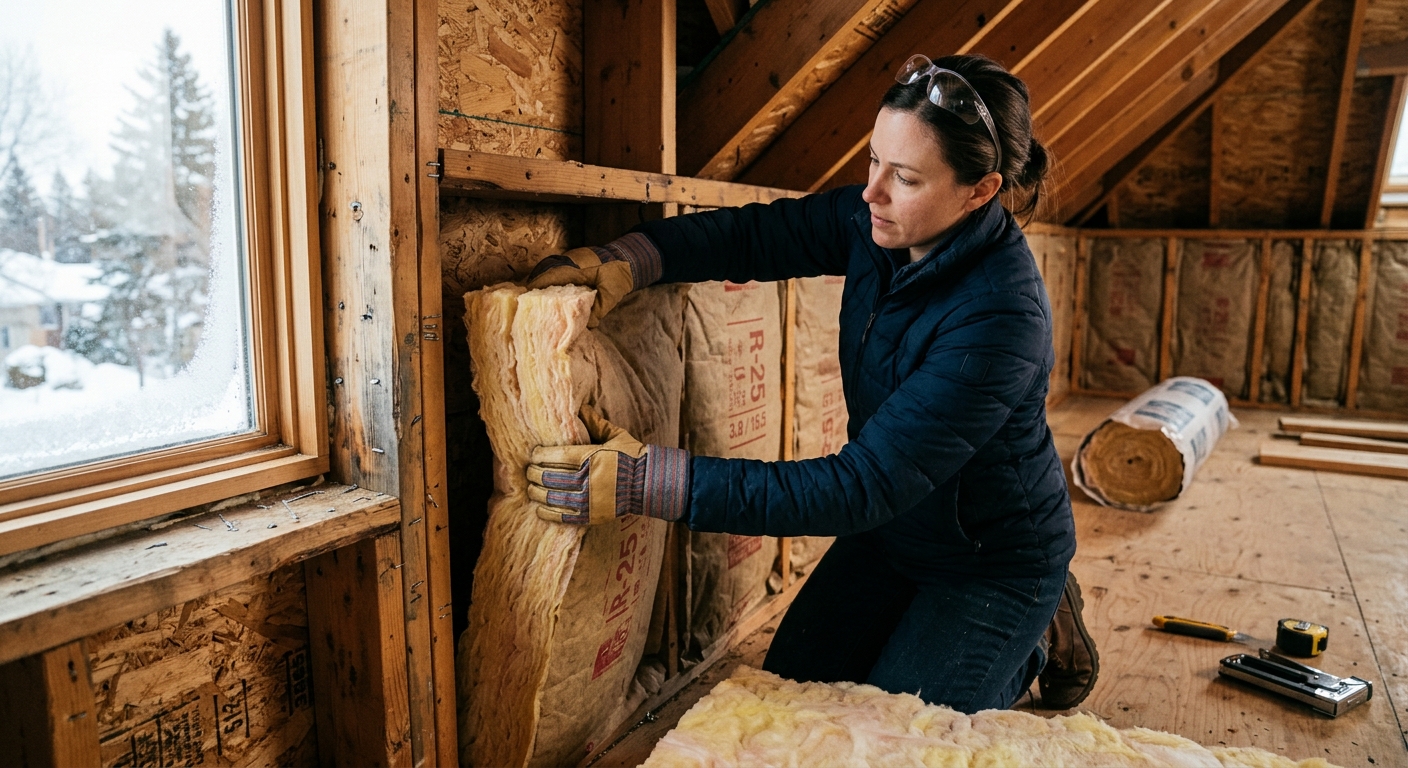
Most homes lose 25 to 30% of their heating and cooling energy through an under-insulated attic, yet most homeowners have never once looked up there to check. This guide shows you how to measure what you have, compare it to DOE recommendations for your climate, and decide whether adding more insulation makes financial sense.
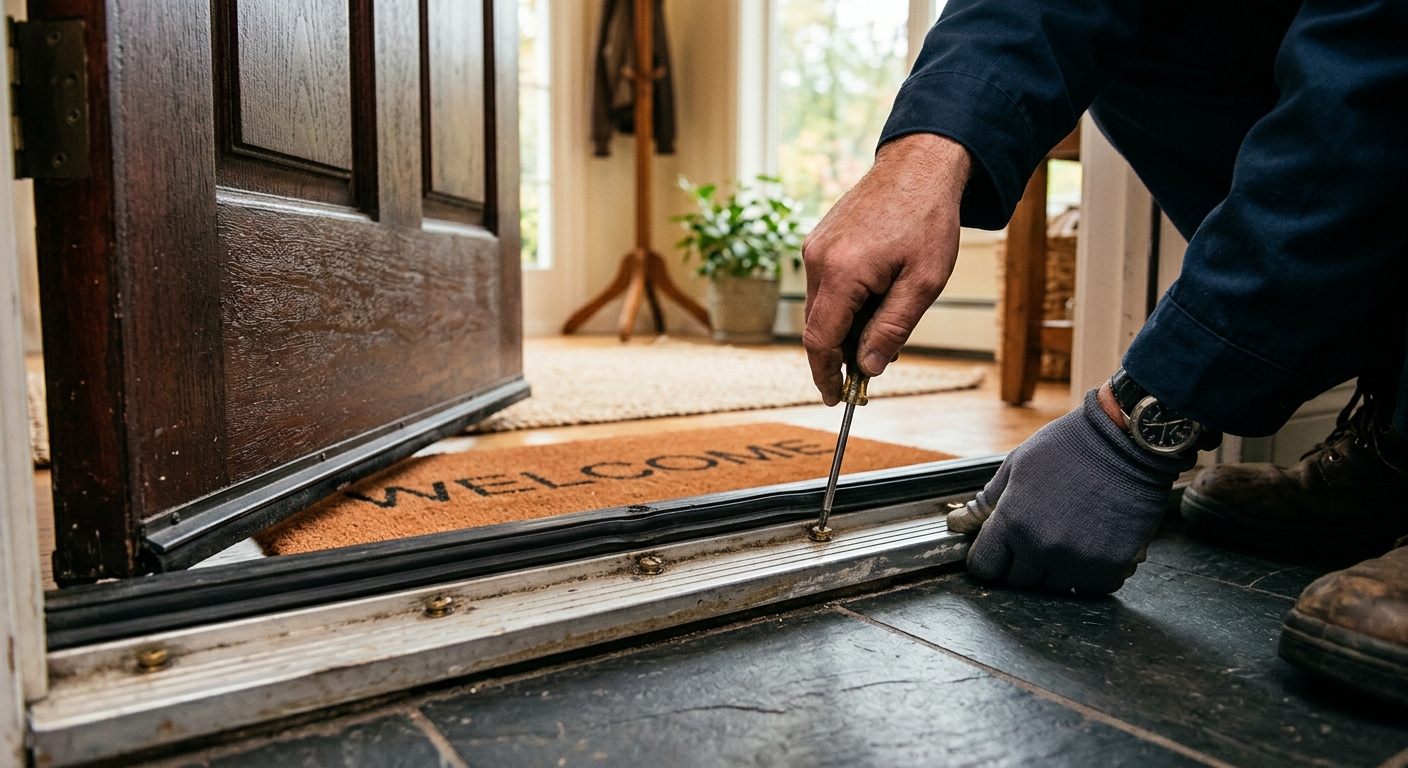
A drafty exterior door is one of the most common and costly air leaks in any home, quietly inflating your heating and cooling bills year-round. In as little as 15 minutes and with no special tools, you can seal the gaps and feel the difference the same day.
When temperatures plunge below zero, standard insulation often falls short, leaving you with sky-high heating bills and cold spots that no thermostat adjustment can fix. This guide breaks down the top insulation types for extreme cold climates, compares their real-world R-values and costs, and shows you exactly how to upgrade your home for maximum warmth and savings.