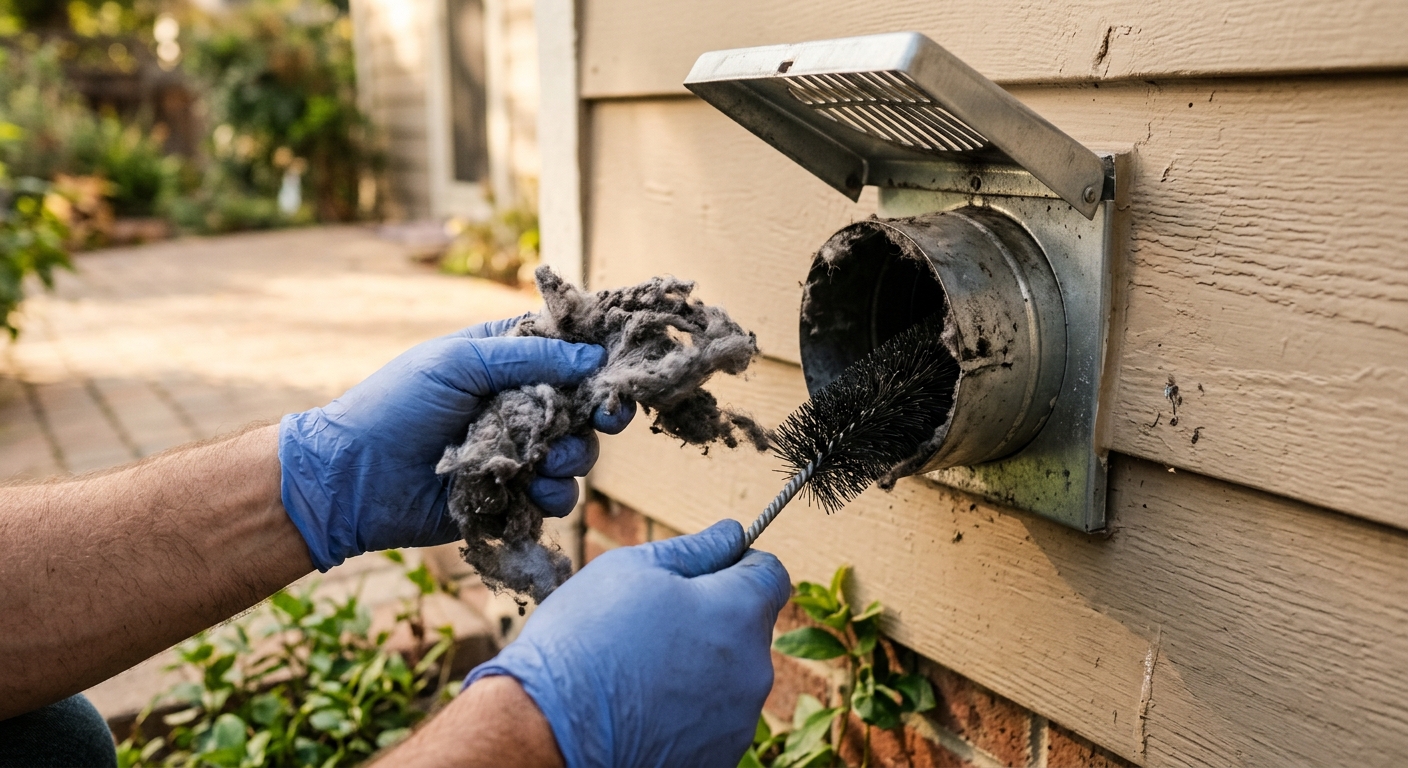
A clogged dryer vent is one of the leading causes of house fires, responsible for over 15,000 fires annually in the US. Cleaning it yourself takes about an hour, can cut drying time by 25 to 40%, and could save you $40 or more per year on energy bills.
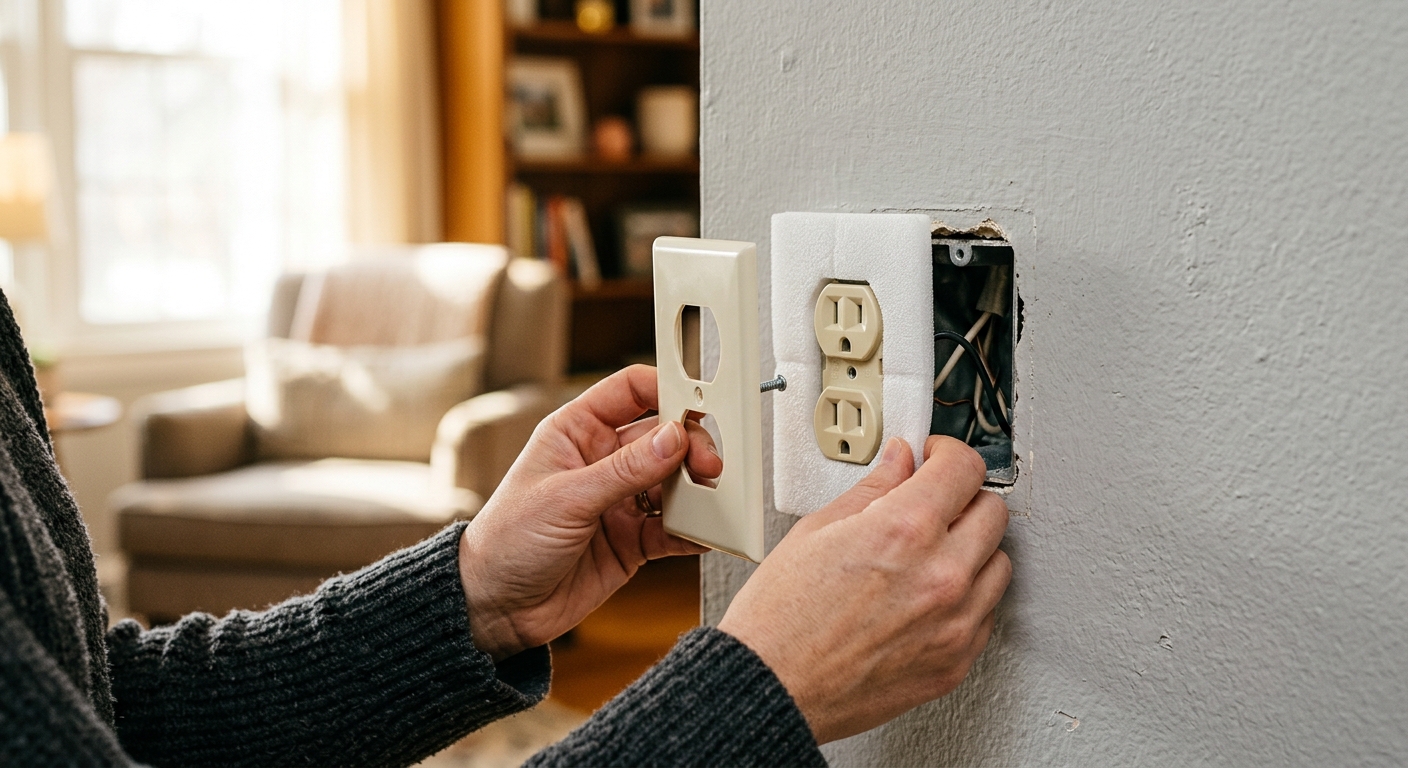
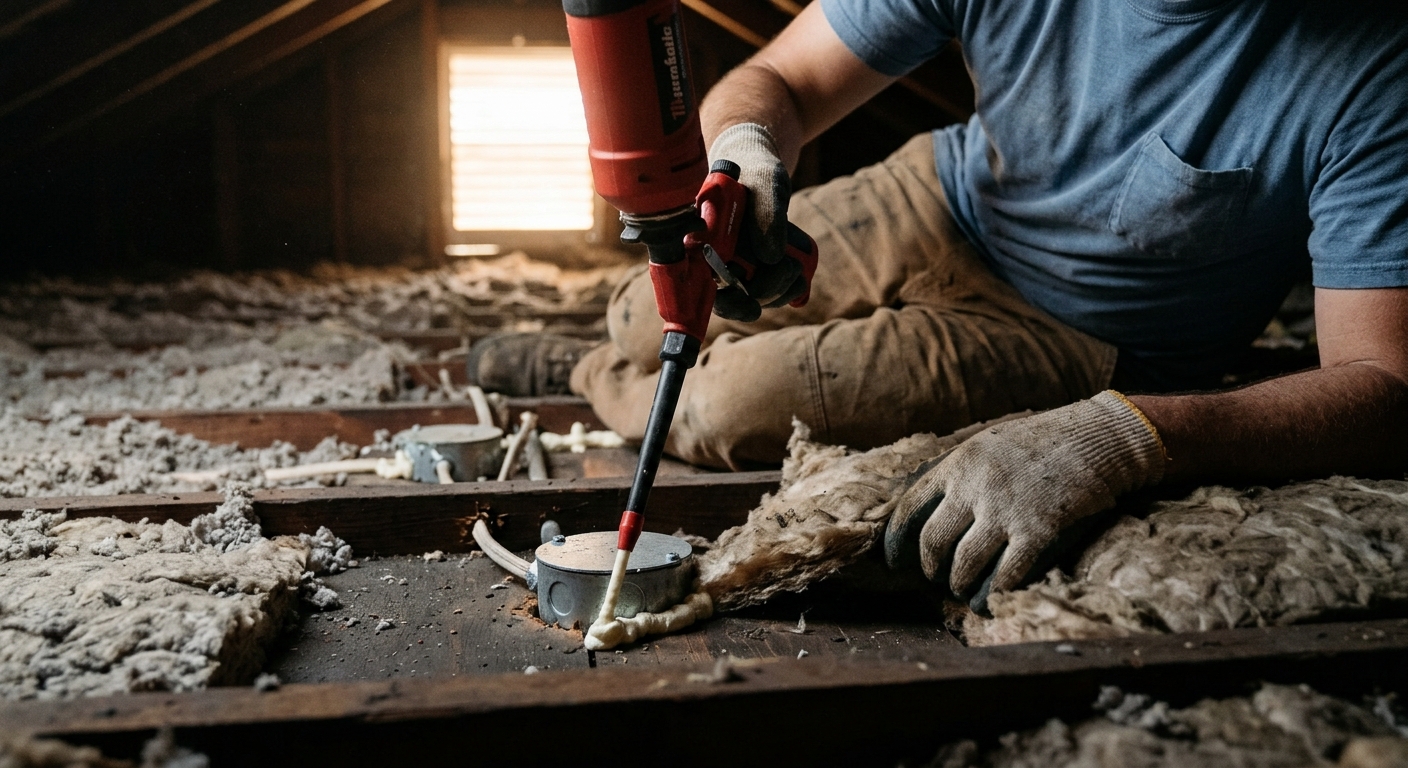
Electrical outlets and switch plates on exterior walls are surprisingly common sources of cold air infiltration, quietly driving up your heating bill all winter. Foam gaskets and a few minutes of work can seal these gaps and noticeably reduce drafts for almost no cost.
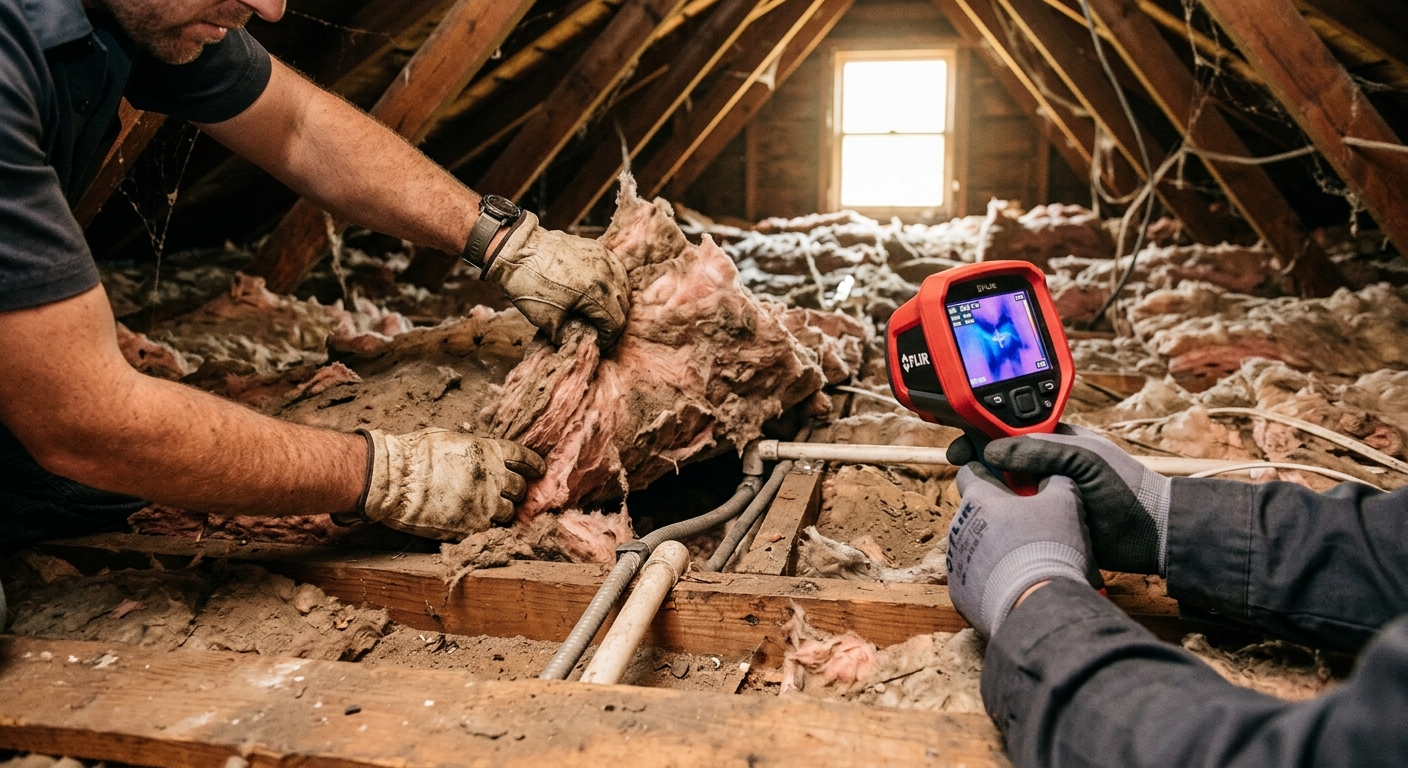
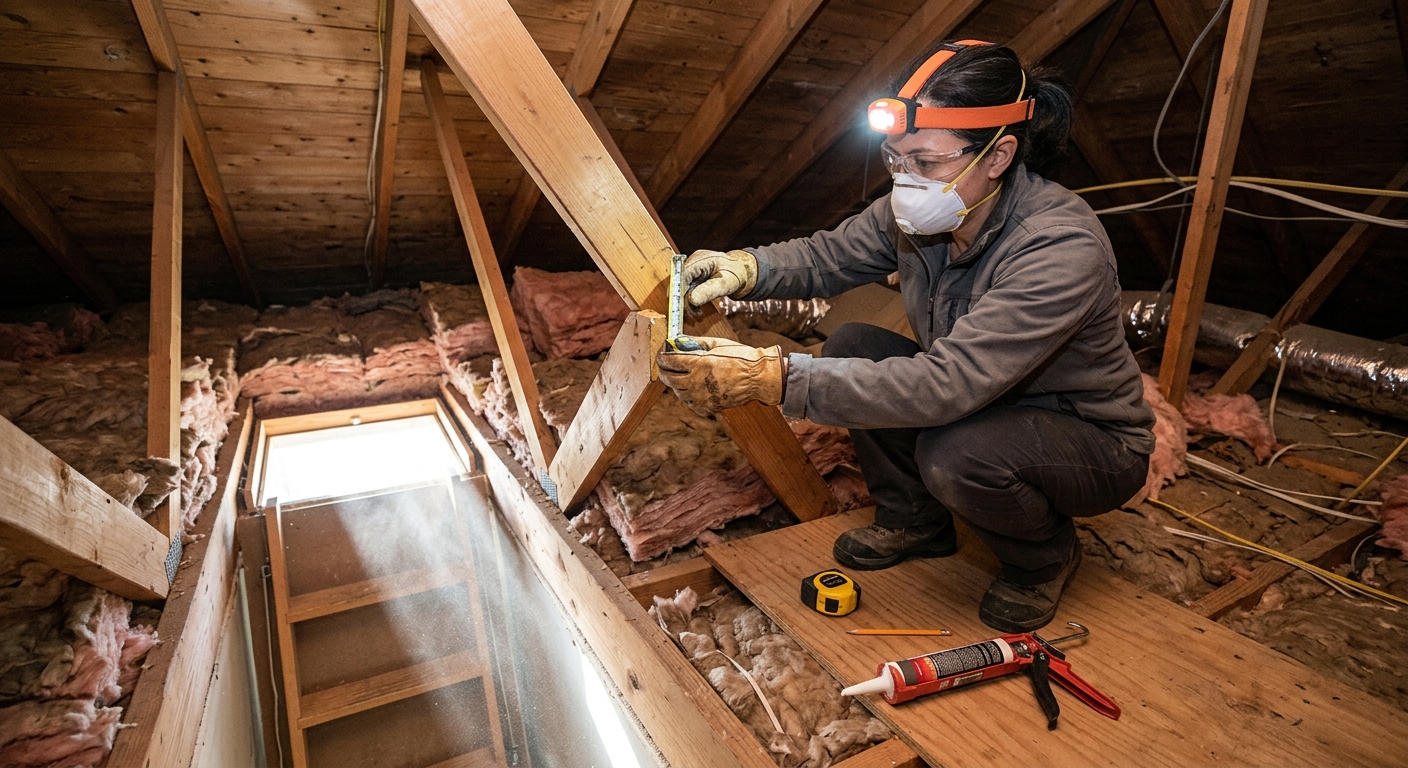
If your upstairs is always too hot in summer and too cold in winter, your attic is almost certainly the culprit. Poor attic insulation and ventilation create a thermal battery effect that overwhelms your HVAC system and drives up energy bills every single month.
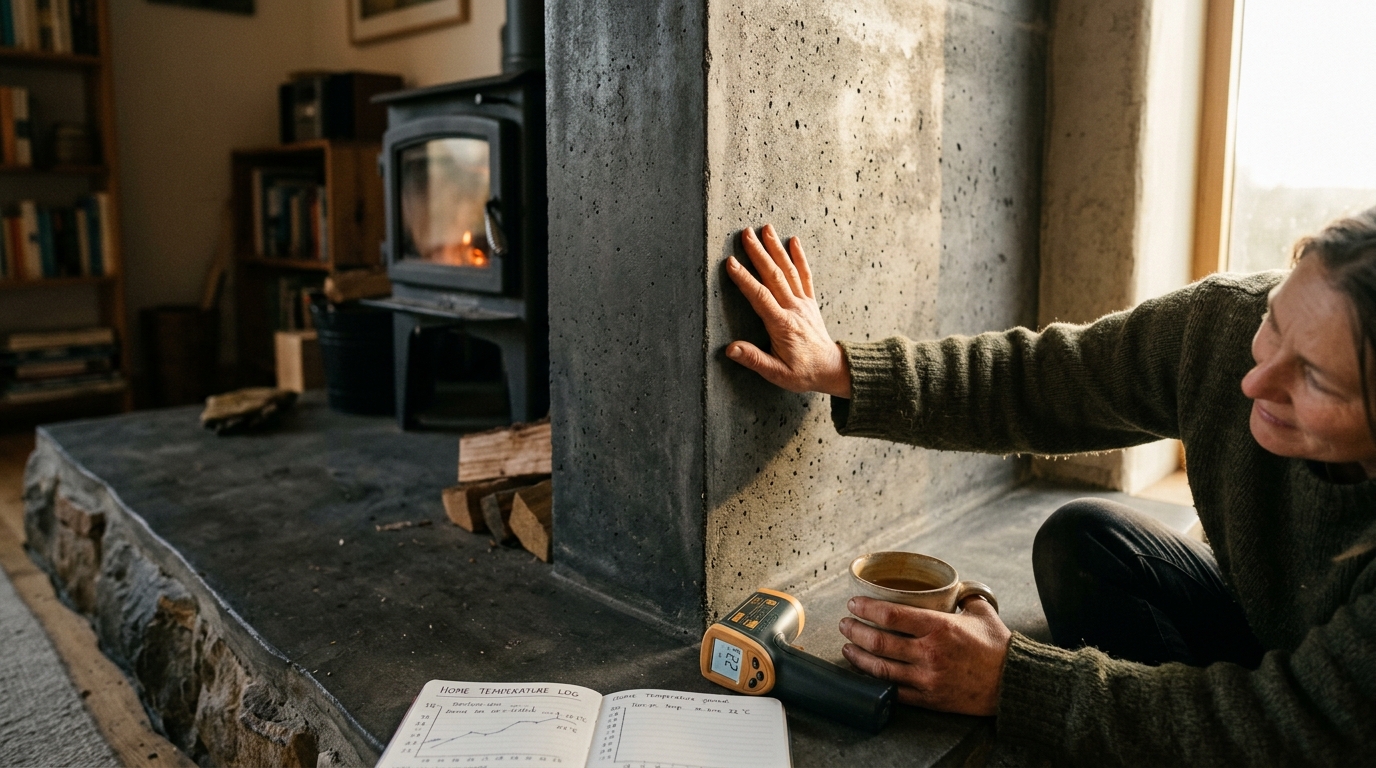
Most homeowners chase comfort by adjusting the thermostat, never realizing their walls, floors, and countertops are silently storing and releasing heat all day. Understanding thermal mass lets you work with your home’s natural physics to stay comfortable longer while running your heating and cooling system less.
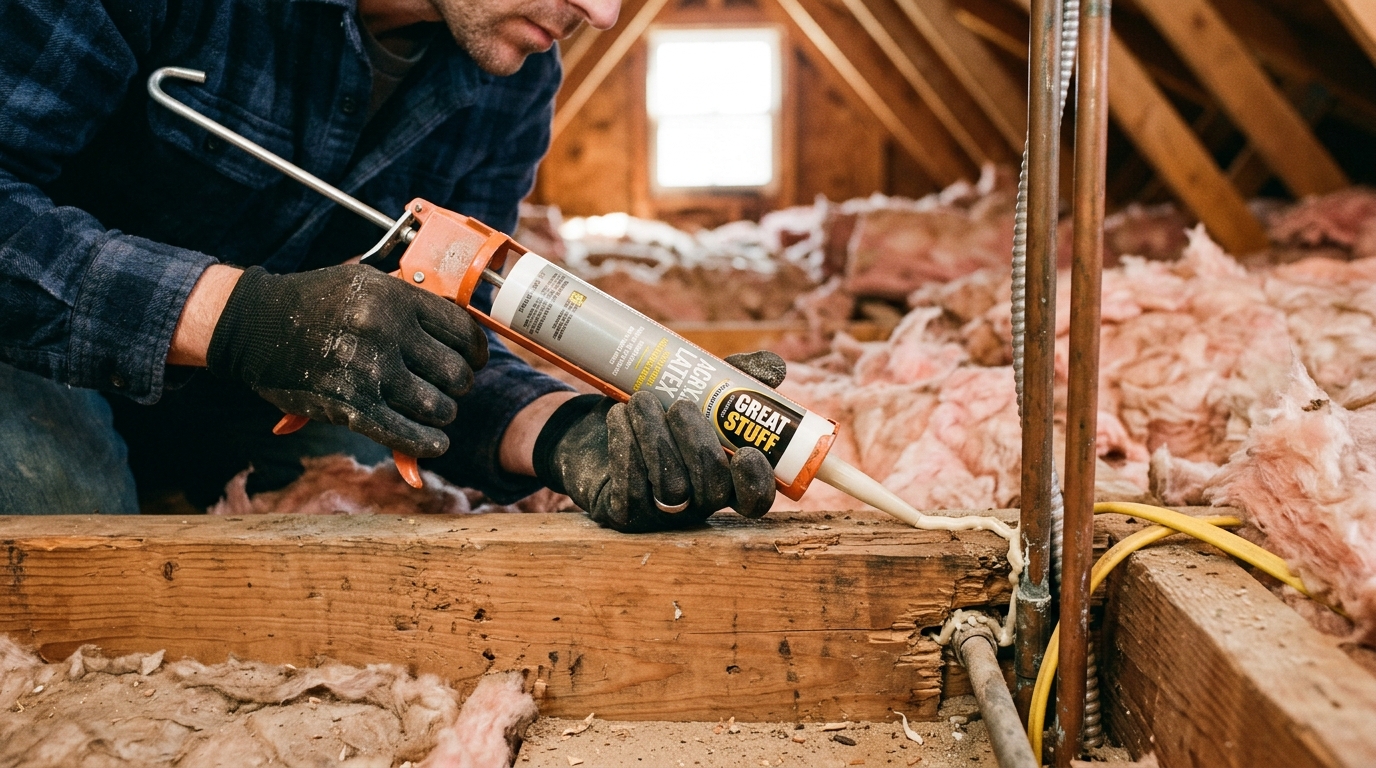
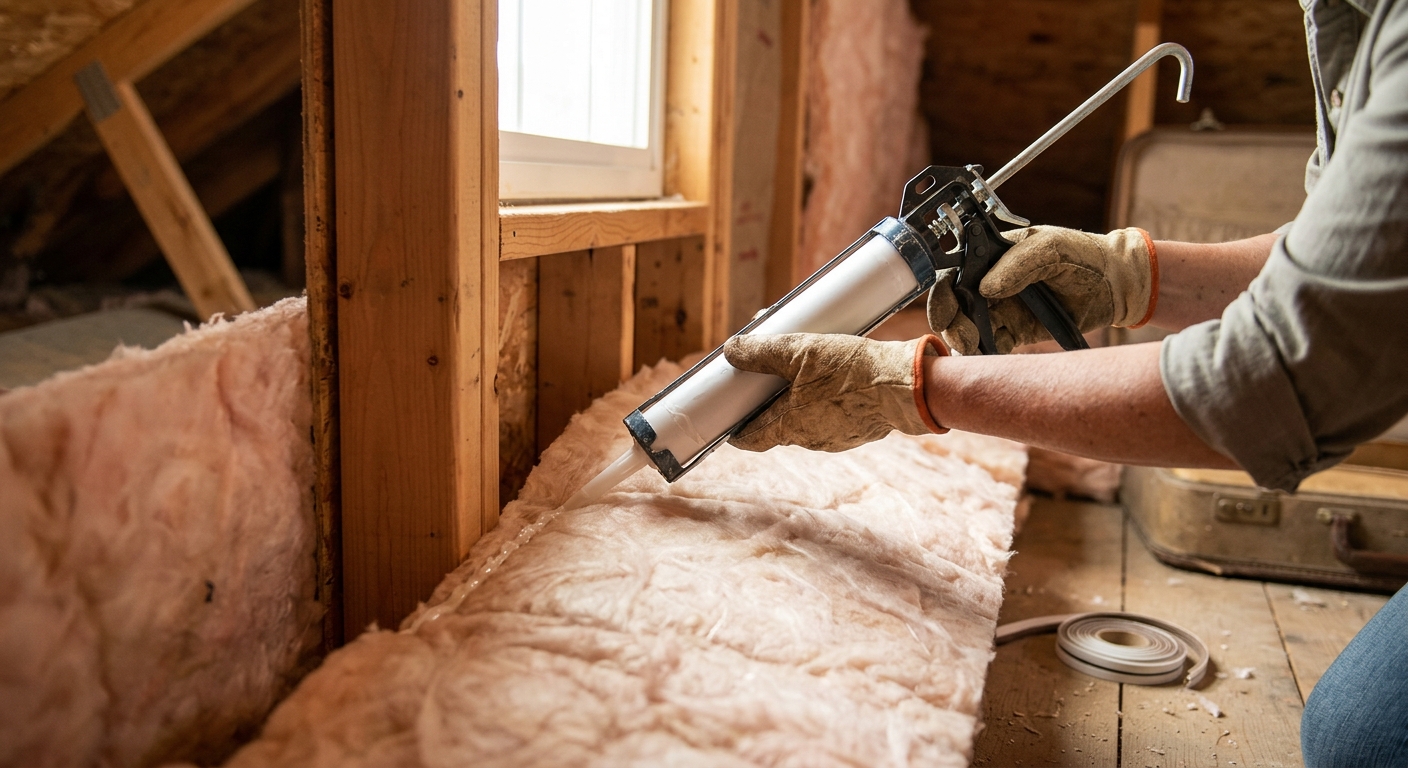
Most homeowners throw money at insulation while ignoring the real culprit behind drafts, high bills, and uneven temperatures. Air sealing your home’s hidden gaps and cracks can cut heating and cooling costs by up to 20% and dramatically improve comfort, often for less than $50.
Most homeowners skip the most important step before adding attic insulation: sealing the air leaks that make insulation far less effective. Doing both together can cut heating and cooling costs by 20 to 30% and pays back within 2 to 4 years.
Most homeowners never look up, and that neglect costs an average of $300 to $500 in wasted heating every winter. A single afternoon in your attic, armed with the right checklist, can identify the leaks, gaps, and insulation problems that are quietly draining your budget.
Winter is hard on your home’s thermal envelope, and spring is the ideal time to catch damage before cooling season drives your bills up. This checklist walks you through every zone of your home so you can spot gaps, fix what you can, and know when to call a pro.