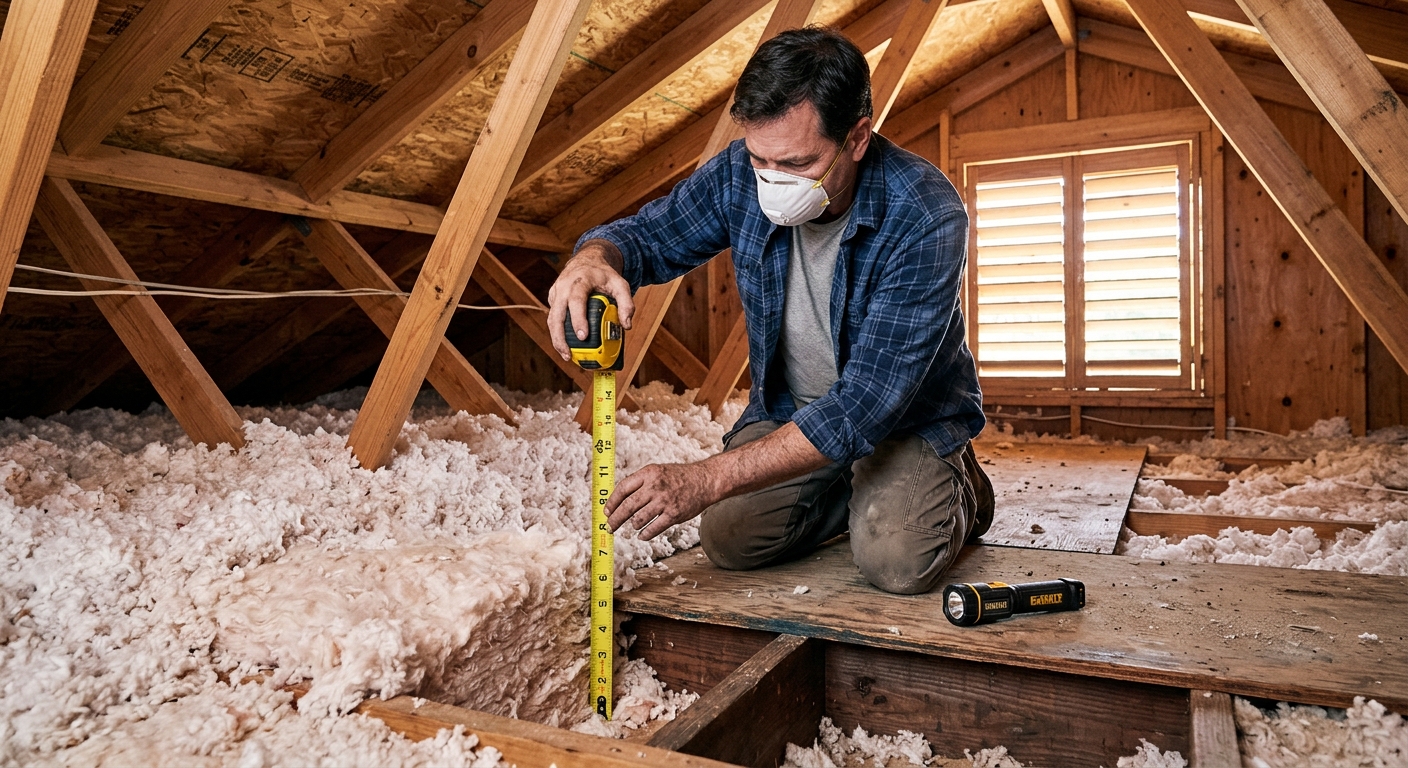
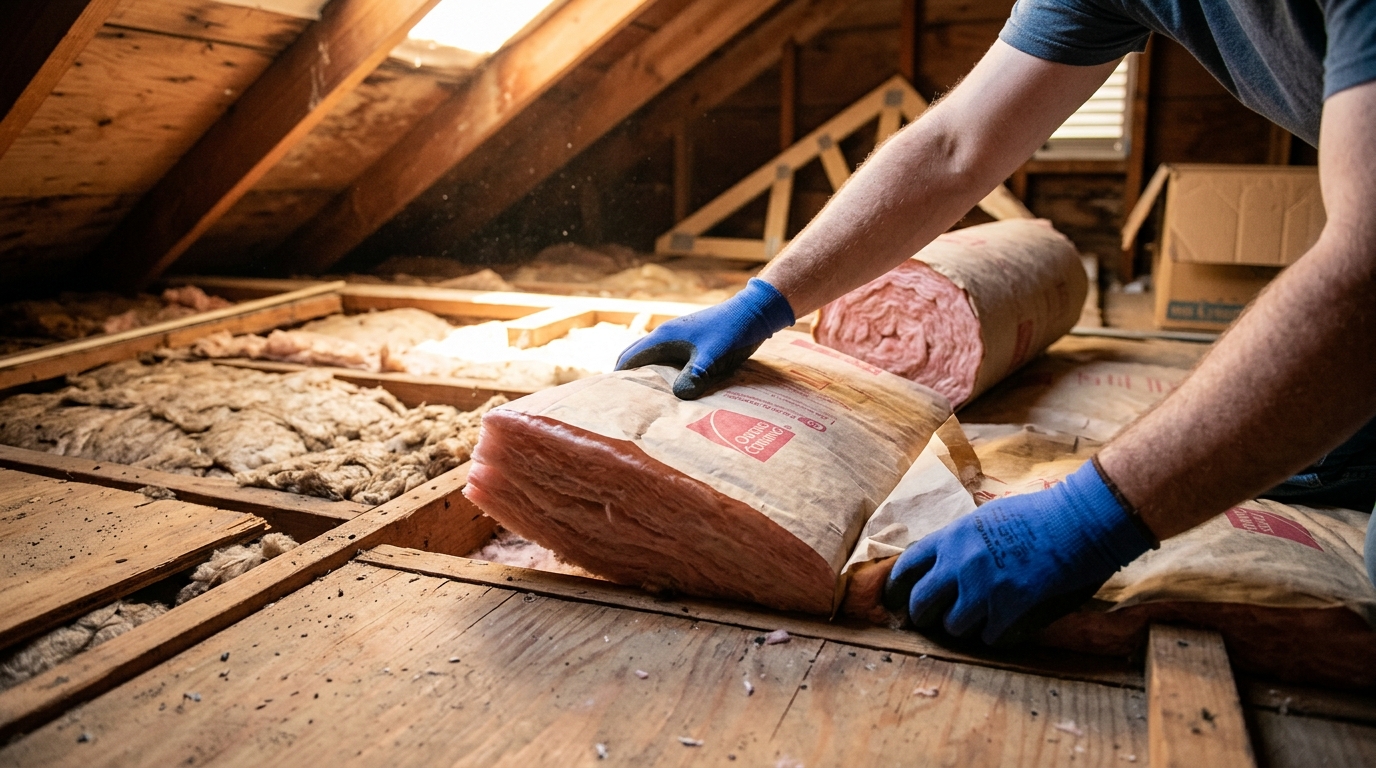
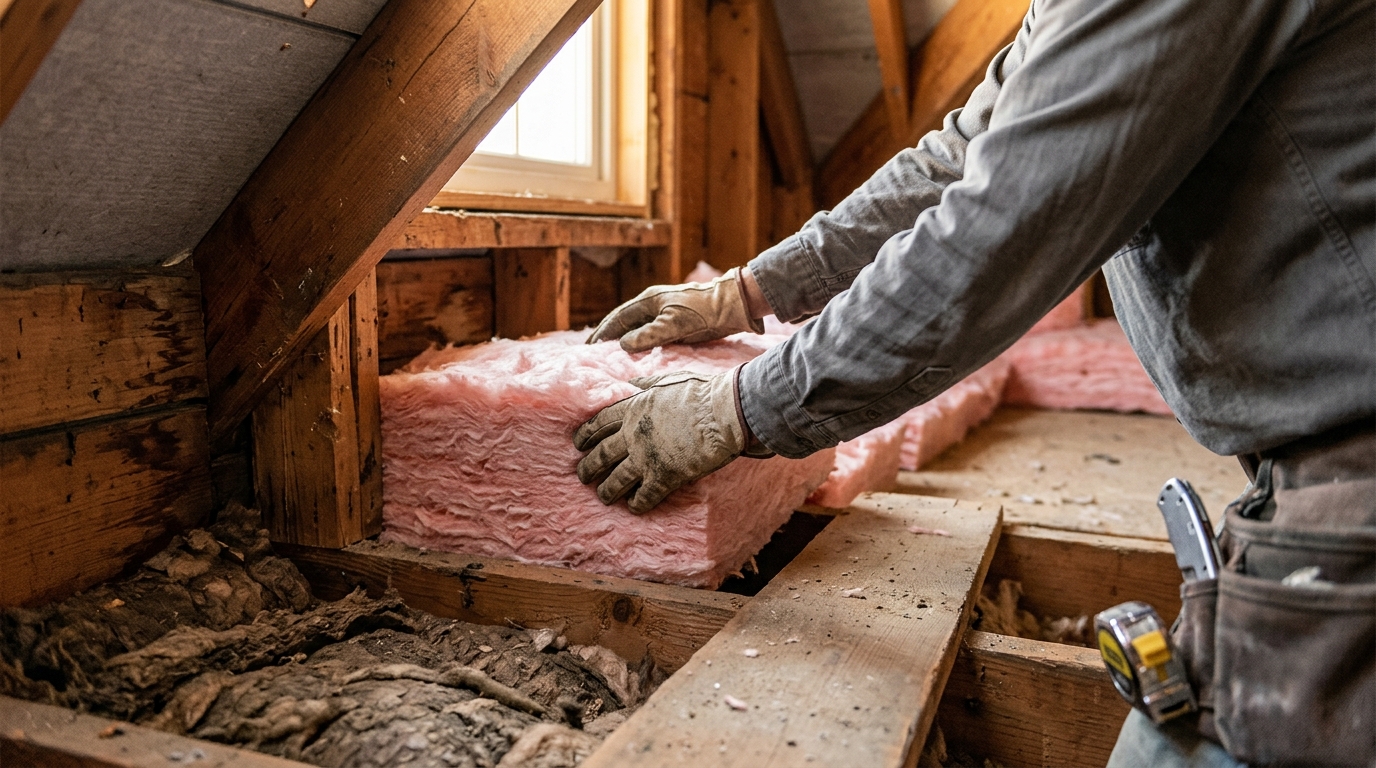
Most homeowners have no idea whether their attic insulation is doing its job – and a thin or damaged layer could be costing them hundreds of dollars every heating season. A simple 15-minute inspection tells you exactly what you have, what you need, and how to fix it before the cold arrives.
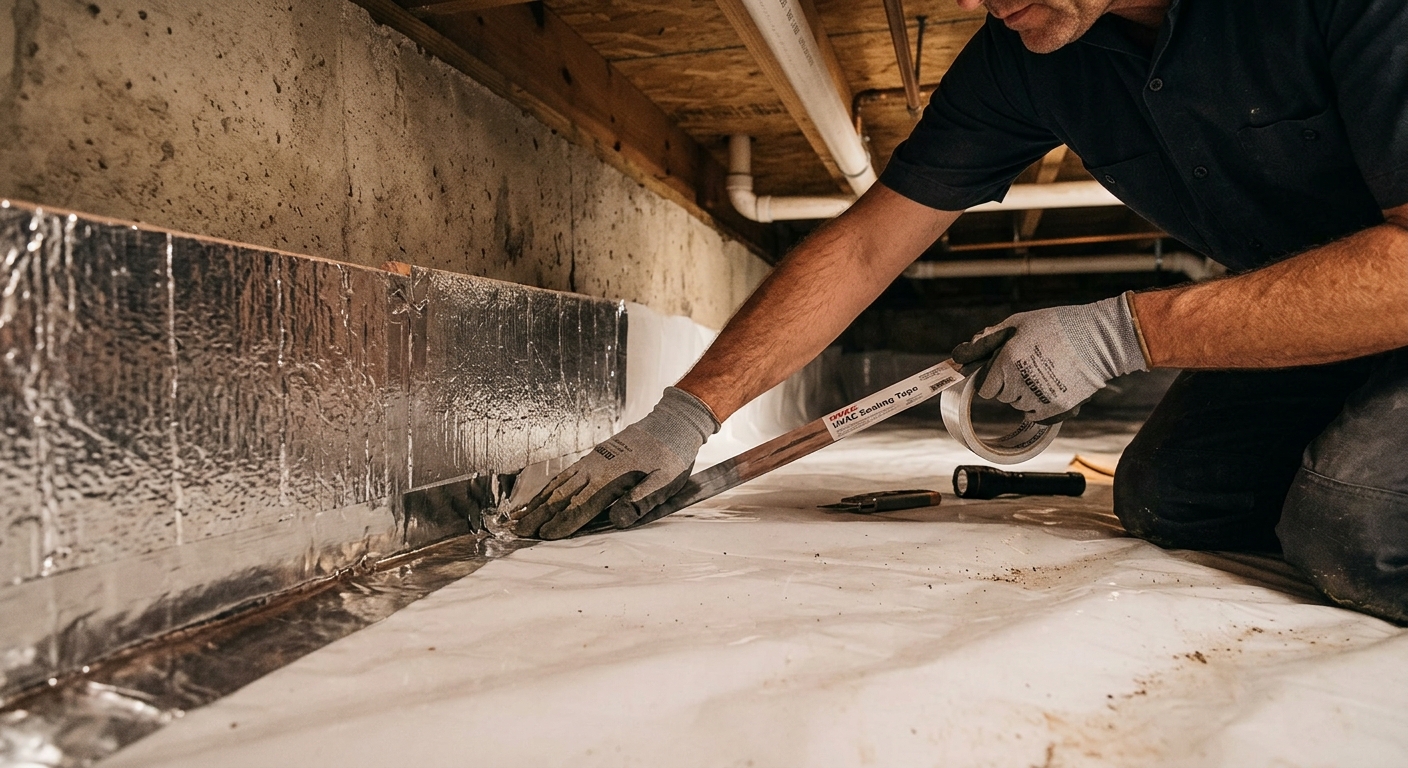
An unsealed, uninsulated crawl space acts like a giant energy drain beneath your feet, pulling conditioned air out and letting cold, damp air in year-round. Sealing and insulating your crawl space is one of the highest-return upgrades a homeowner can make, often paying for itself in under three years.
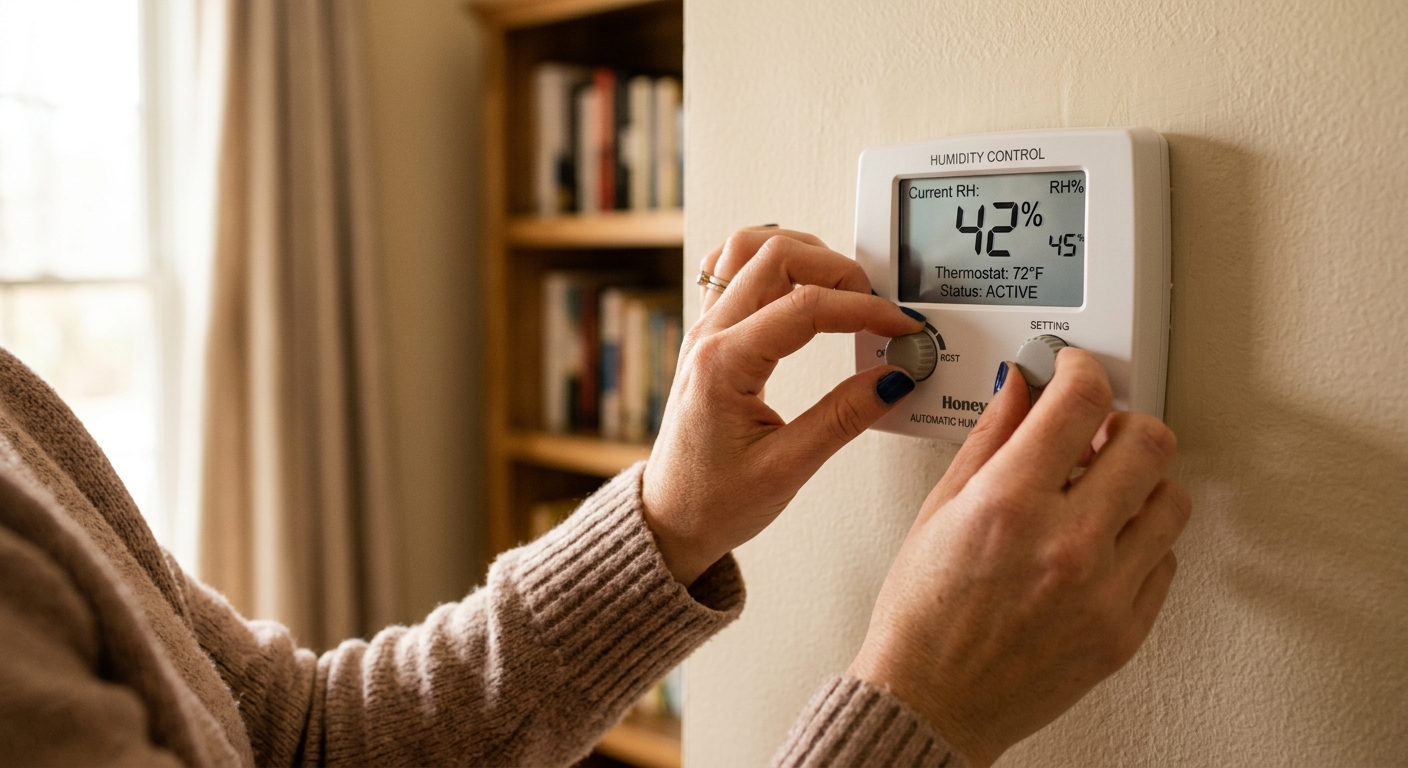
Most homeowners obsess over thermostat numbers while ignoring the humidity level that actually determines how comfortable they feel. Keeping indoor relative humidity between 40 and 50 percent can make a 75°F home feel as comfortable as a 70°F home, letting you raise your thermostat setpoint and cut cooling bills by up to 15 percent.
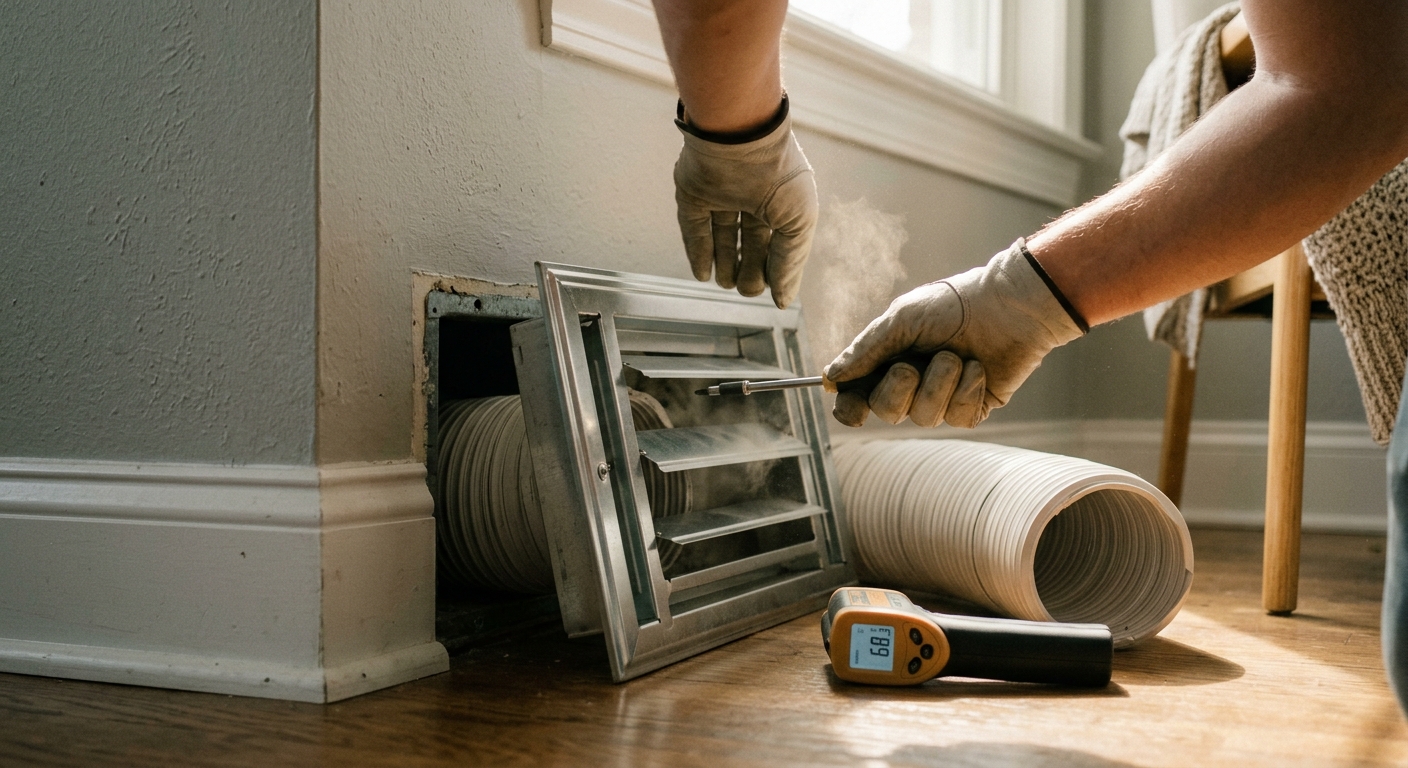
A single cold room is one of the most frustrating comfort problems homeowners face, and it almost never means your furnace is broken. The real culprits are almost always airflow imbalances, insulation gaps, or duct issues that you can diagnose and fix yourself.
Most homeowners never think about their attic until there’s a leak or a pest problem, but that unfinished space above your ceiling is likely costing you hundreds of dollars a year in wasted energy. Understanding how heat moves through your attic, and sealing it properly, can cut heating and cooling bills by 15 to 30 percent.
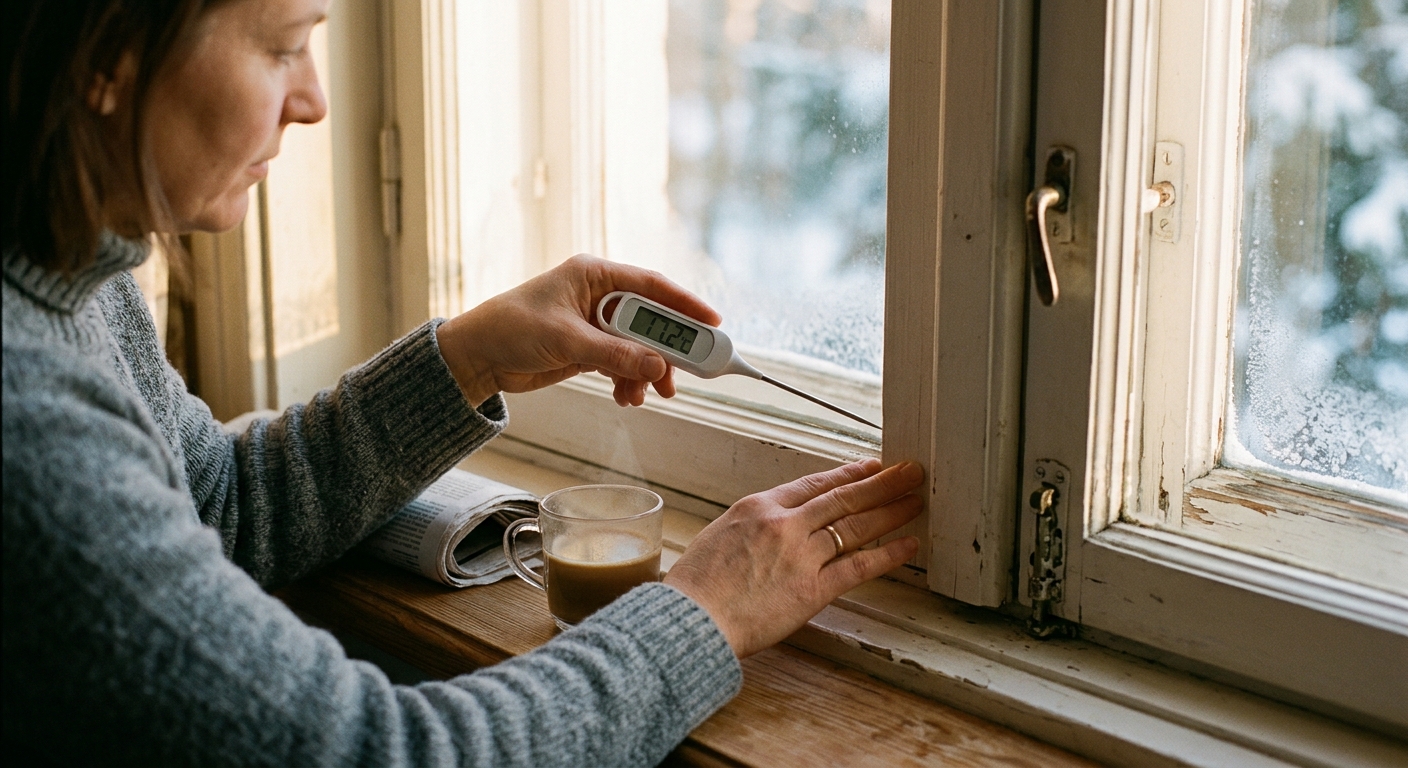
If your furnace is running hard every morning just to catch up, your home is silently bleeding heat while you sleep. This simple morning diagnostic routine pinpoints exactly where that heat is escaping so you can stop wasting money on warmth that never stays.
Many homeowners are baffled when their January heating bill jumps 30 to 50% despite not touching the thermostat. The real culprit is a combination of radiant heat loss, infiltration, and your furnace working harder against extreme cold, and there are practical fixes that can bring those bills back down.
Most American homes are significantly under-insulated, quietly adding hundreds of dollars to heating and cooling bills every year. Targeting the right spots with the right materials can deliver 15 to 30% savings on energy costs with payback periods well under three years.
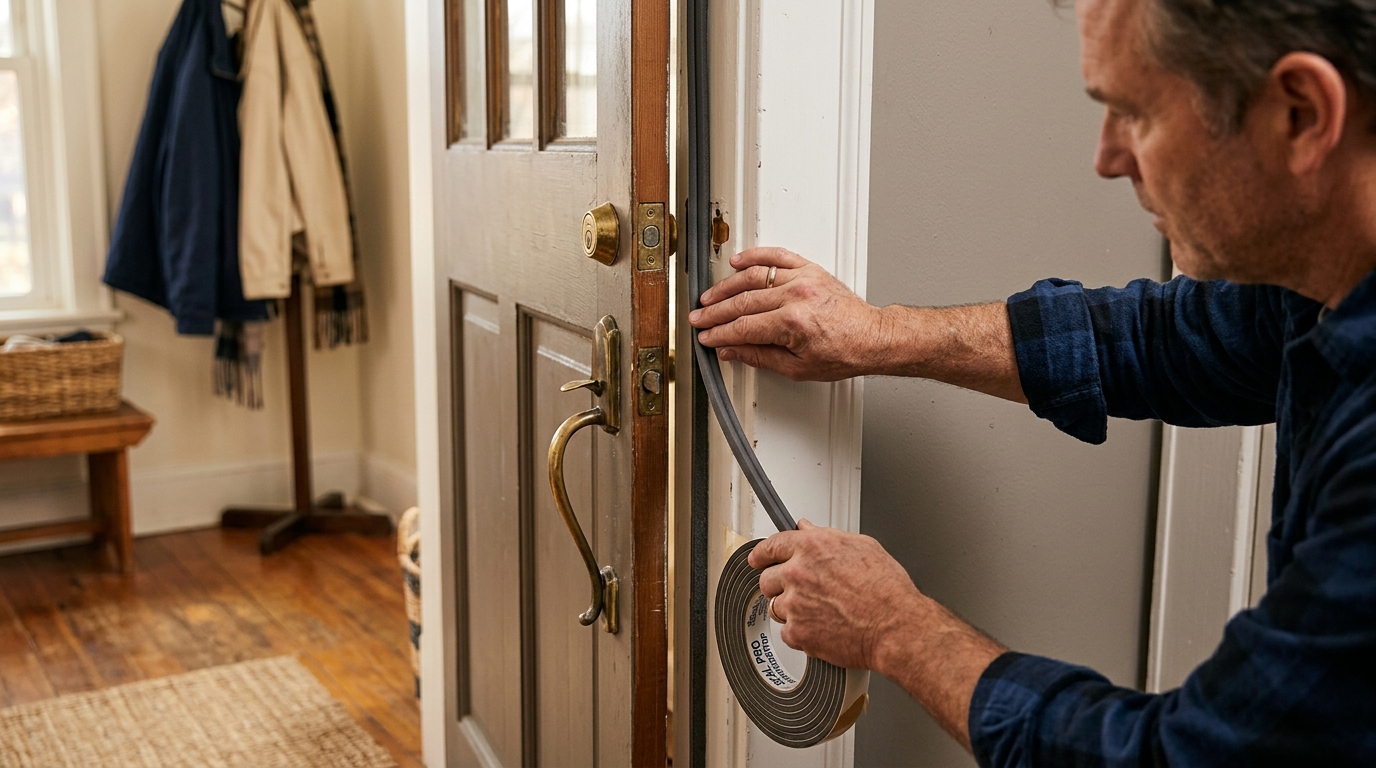
Most homeowners focus on windows and attic insulation while ignoring the single most-used air leak in the house: the front door and entryway. Sealing and improving your entryway can reduce drafts, cut heating and cooling losses by up to 15%, and make every room in your home feel more comfortable year-round.
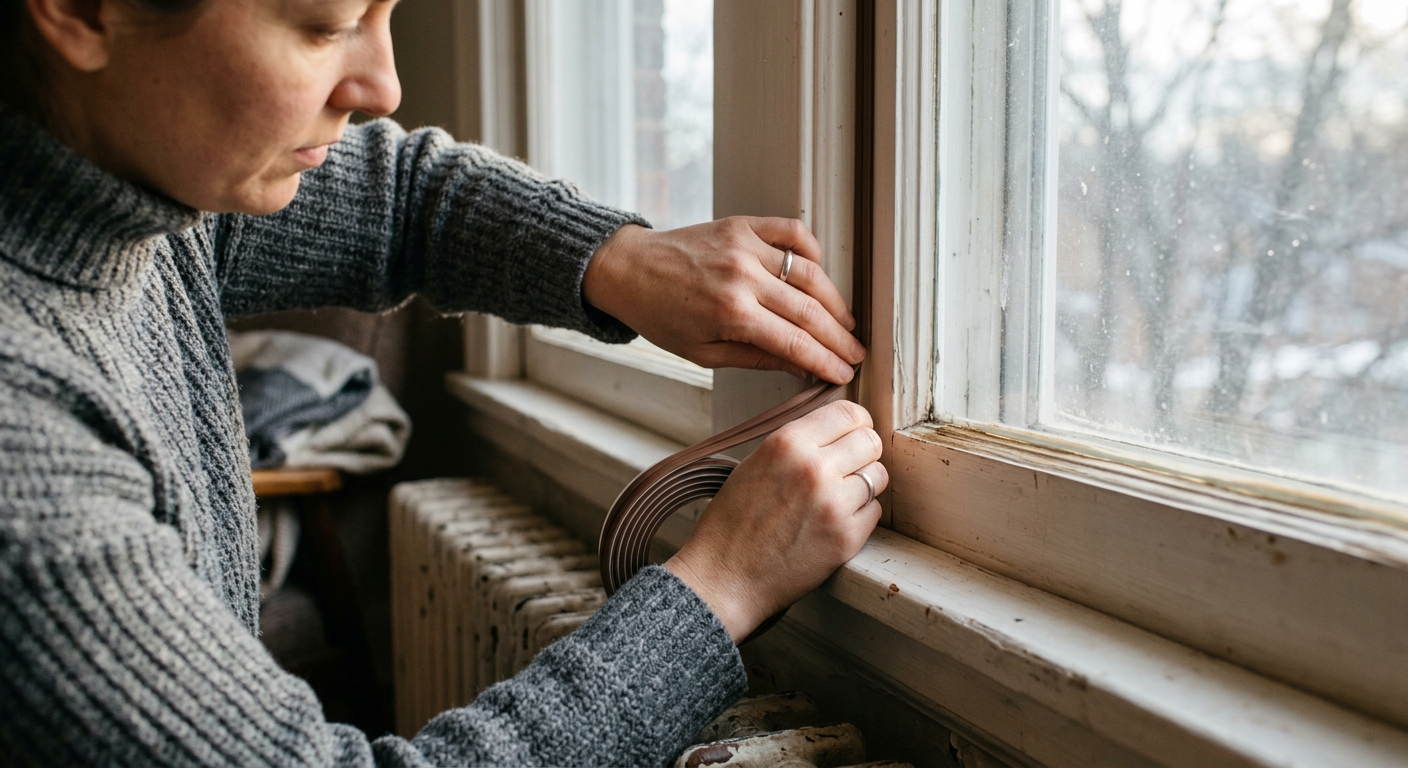
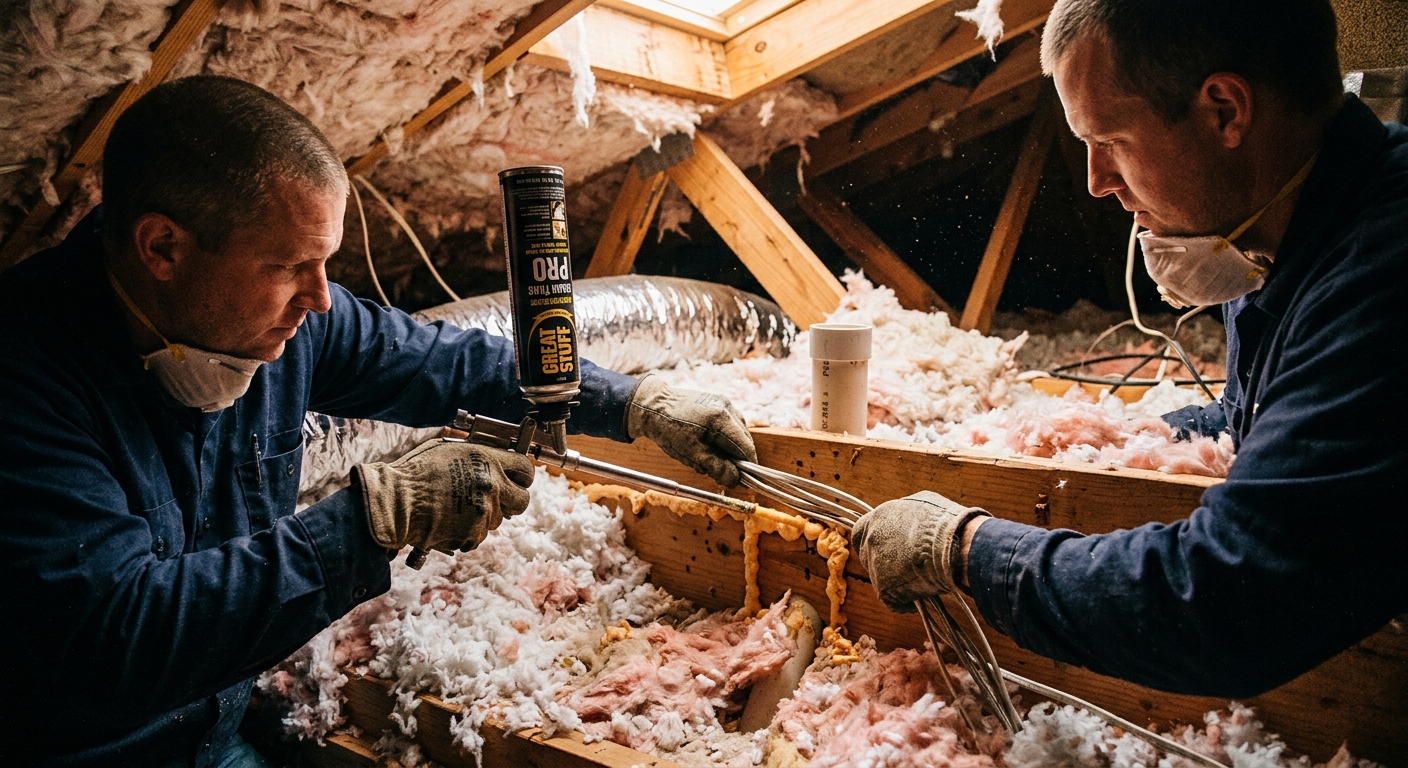
Most homeowners treat air sealing and insulation as separate projects, but doing them together is where the real savings happen. When you seal the leaks first and then add insulation on top, you can cut heating and cooling costs by 30 to 40% compared to either approach alone.