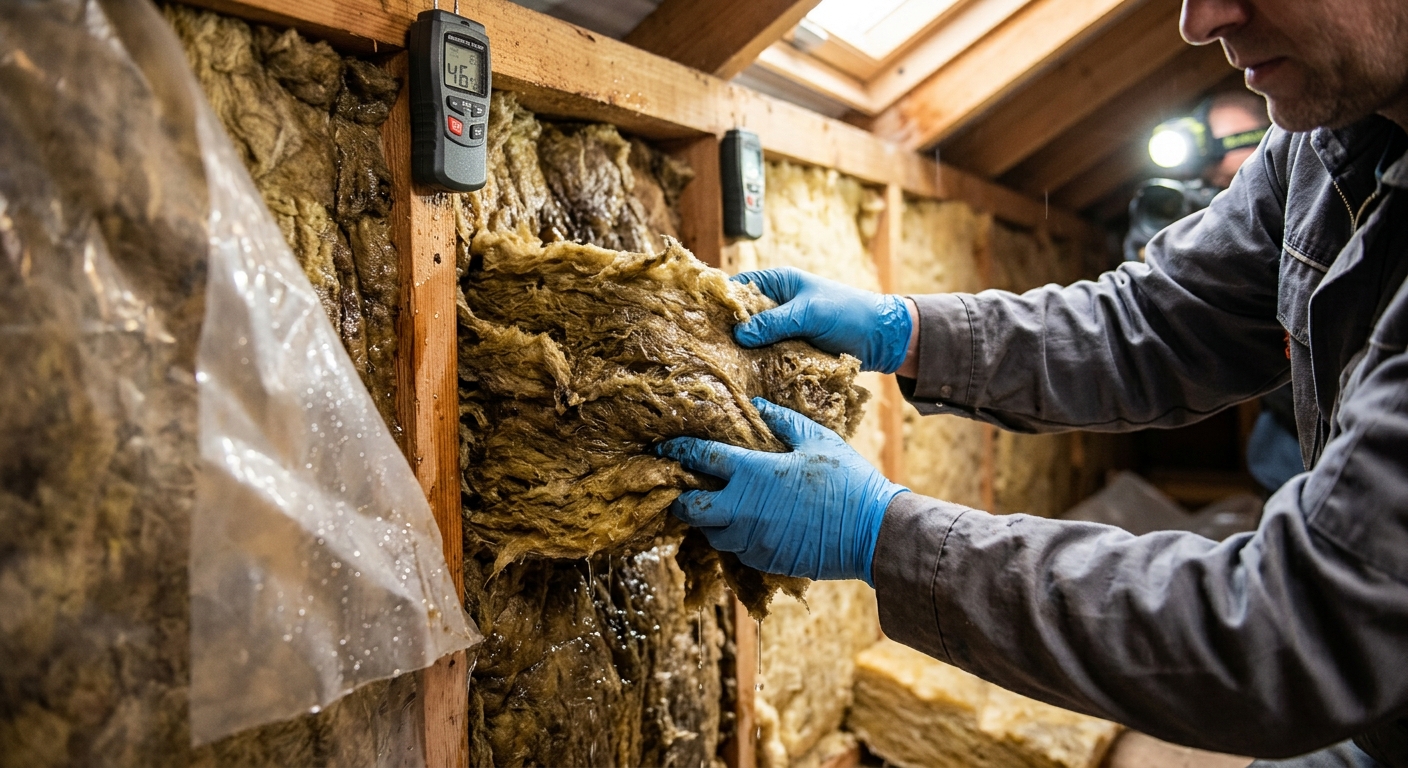
Wet insulation can lose up to 40% of its thermal performance almost immediately, and most homeowners never know until mold, rot, or sky-high energy bills show up. Learn how to spot moisture damage early, what each insulation type does when wet, and how to fix it before a small leak becomes a major renovation.
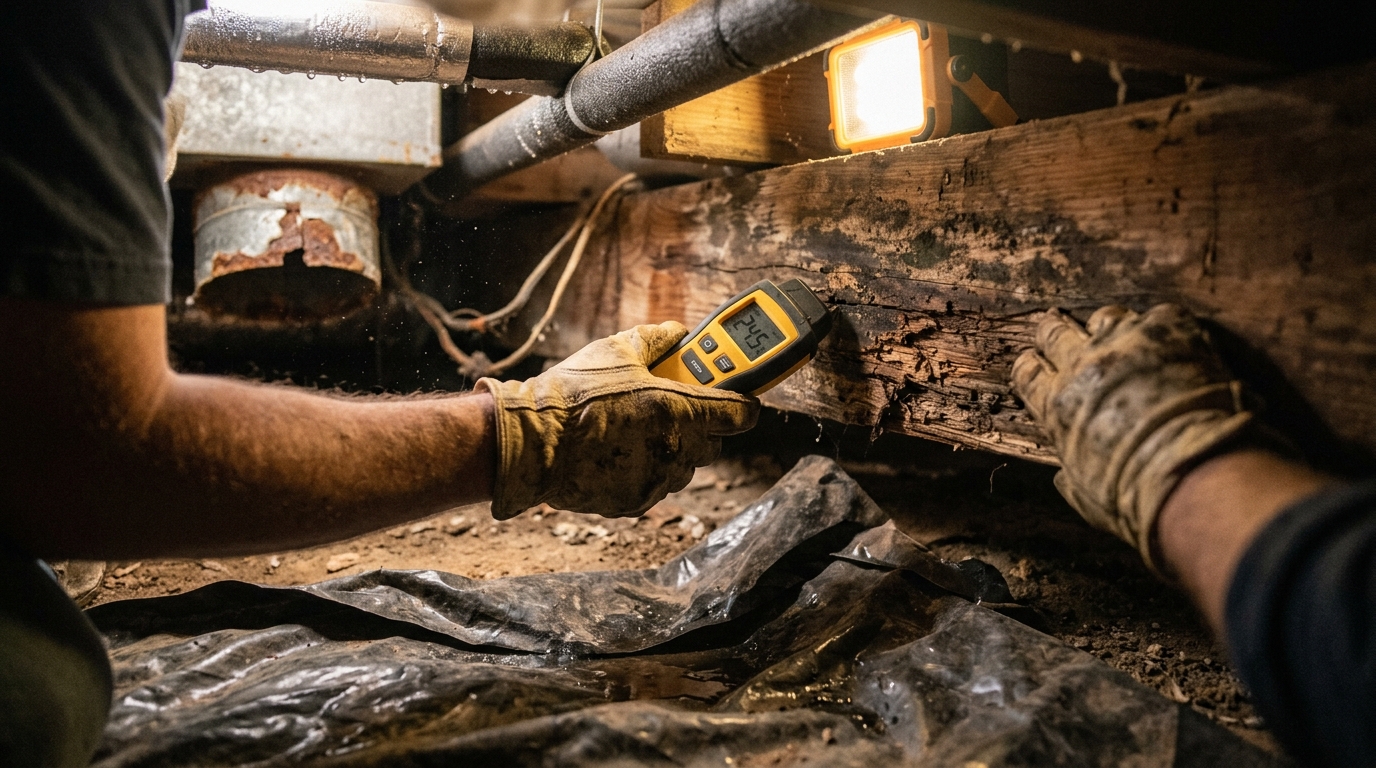
A damp crawl space silently rots floor joists, corrodes HVAC equipment, and spikes your energy bills before you ever notice a problem. Controlling moisture at the source with vapor barriers and ventilation fixes can cut heating and cooling costs by 15 to 25% while protecting tens of thousands in structural and mechanical assets.
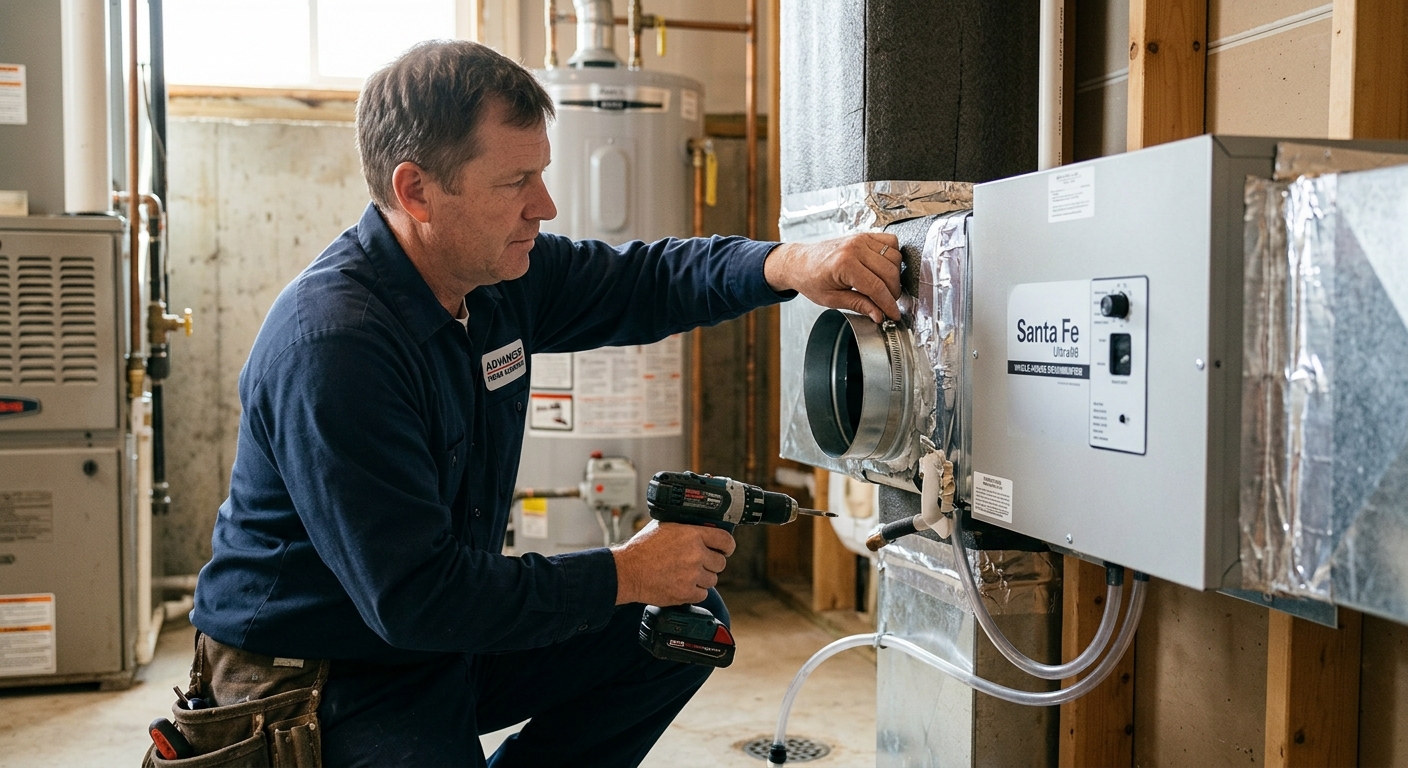
High indoor humidity quietly drives up energy bills, damages your home, and makes your AC work harder than it should. A whole-house dehumidifier solves all three problems, and the math shows most homeowners break even in 2 to 3 years.
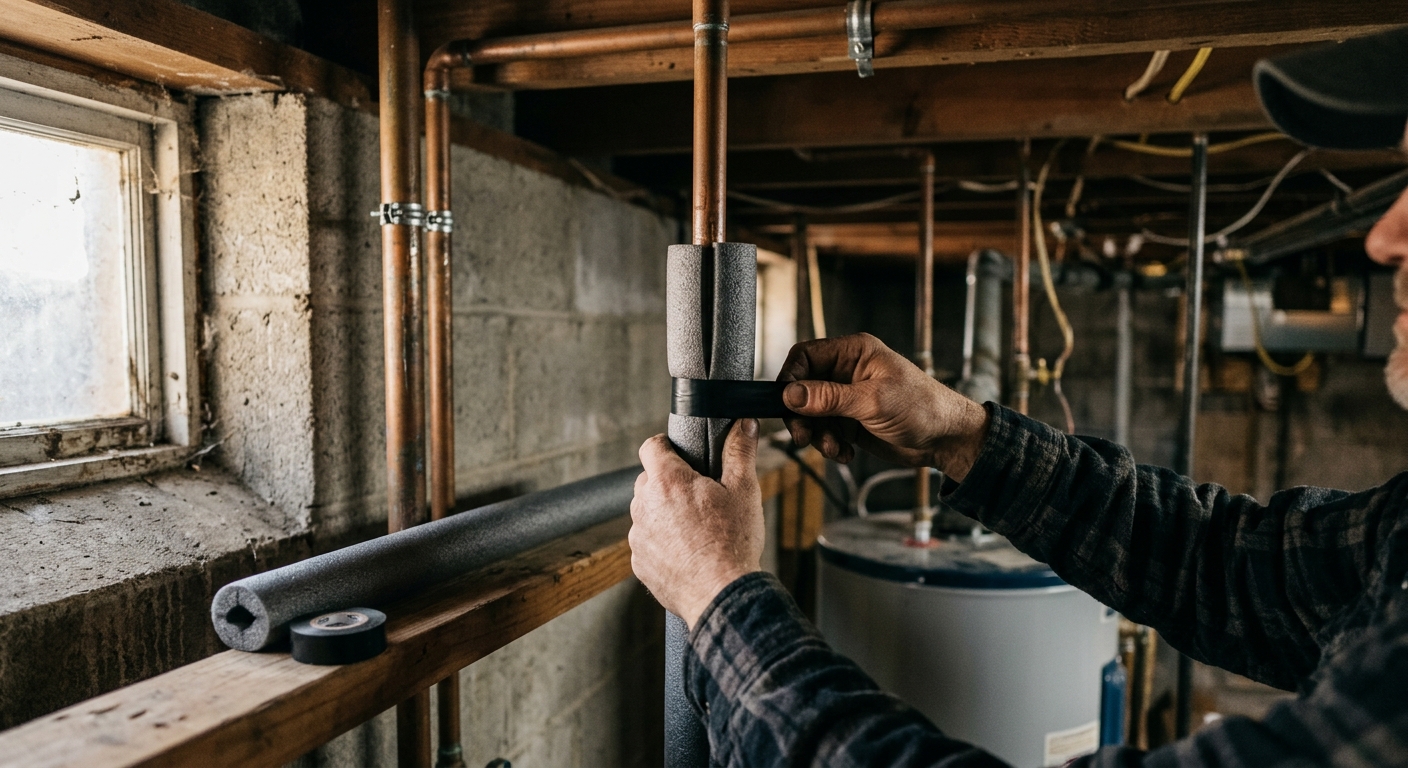
Frozen pipes are one of the most expensive and preventable home disasters, with burst pipes averaging $5,000 to $70,000 in water damage repairs. A combination of targeted insulation, heat tape, and smart thermostat habits can protect your plumbing even in a drafty, under-insulated home.