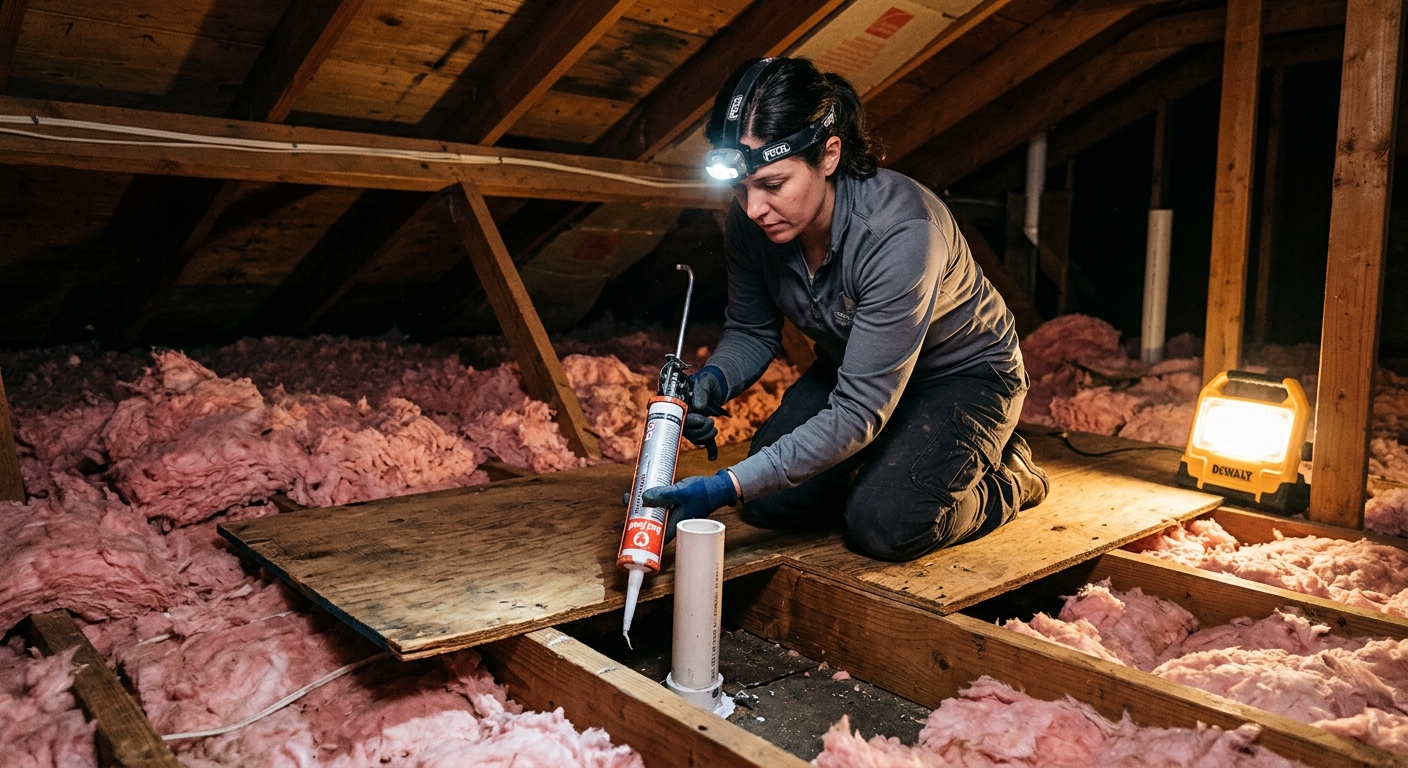
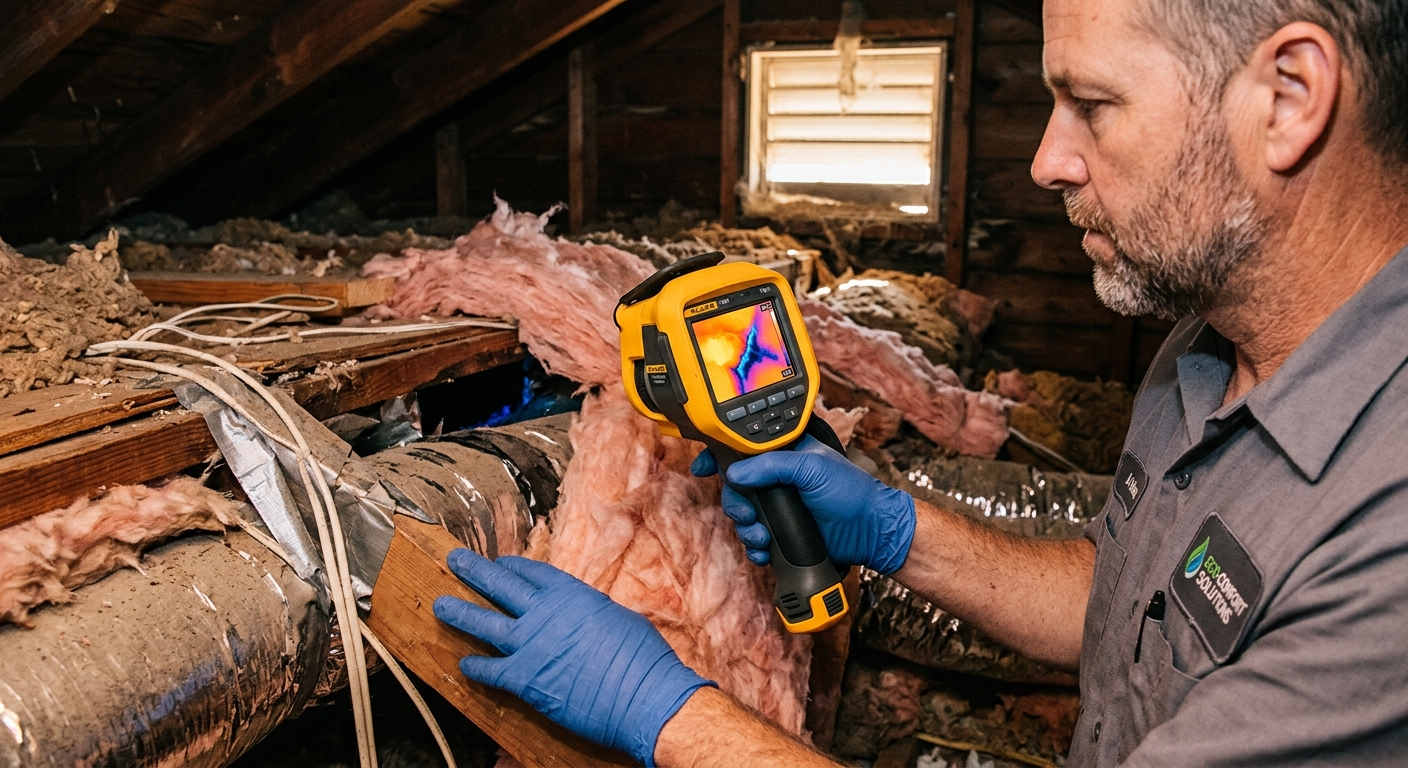
Most homeowners insulate their attics and call it done, but hidden air pathways called attic bypasses can cancel out much of that insulation’s benefit. Sealing these gaps before adding insulation is the single most impactful thing you can do to lower heating and cooling bills.
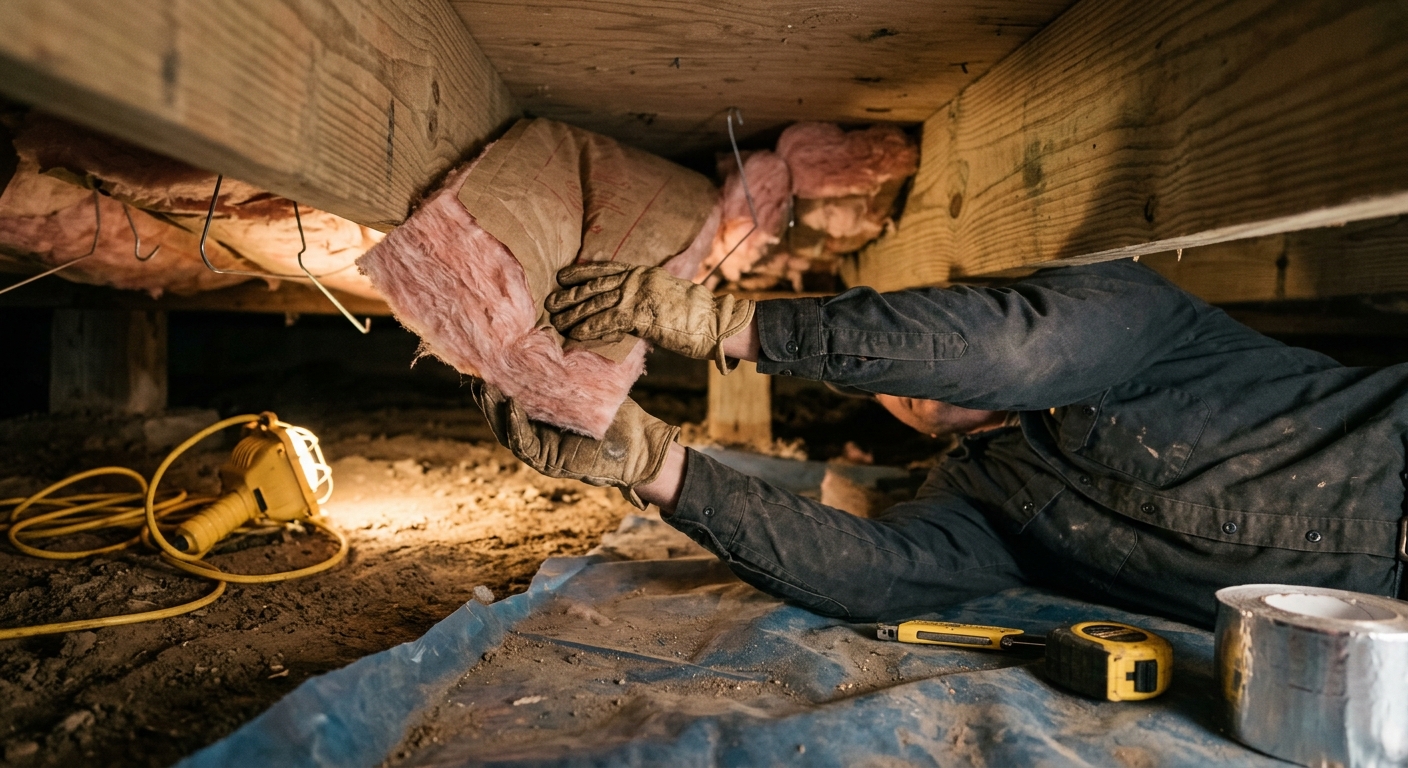
A poorly insulated crawl space silently drives up heating and cooling bills while letting moisture, pests, and cold floors into your home. This guide breaks down the two main approaches, vented batt insulation and full encapsulation, with real costs, savings numbers, and step-by-step instructions.
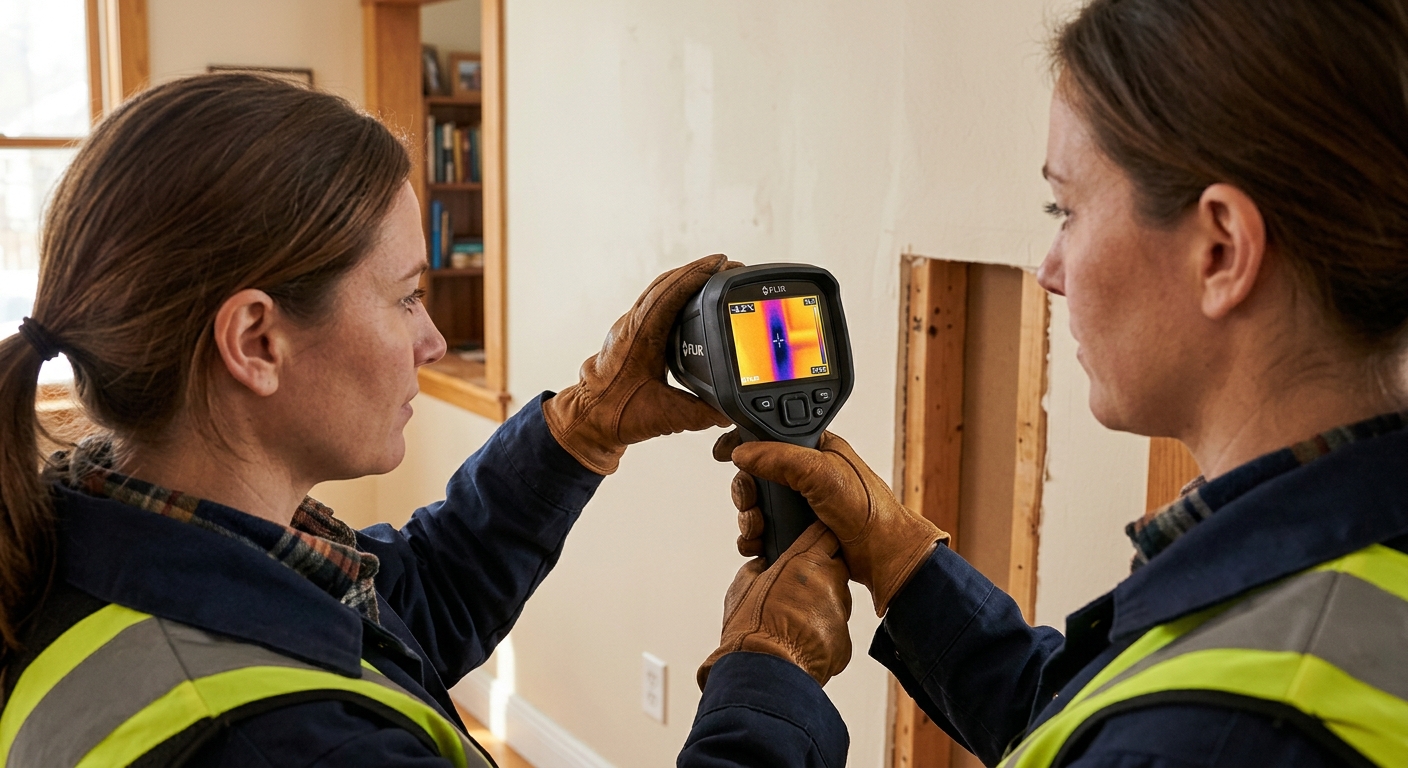
Thermal bridging silently drains energy through your walls, floor joists, and window frames even when insulation looks perfect. Understanding where it happens and how to stop it can cut heating and cooling losses by 20 to 30 percent in affected areas.
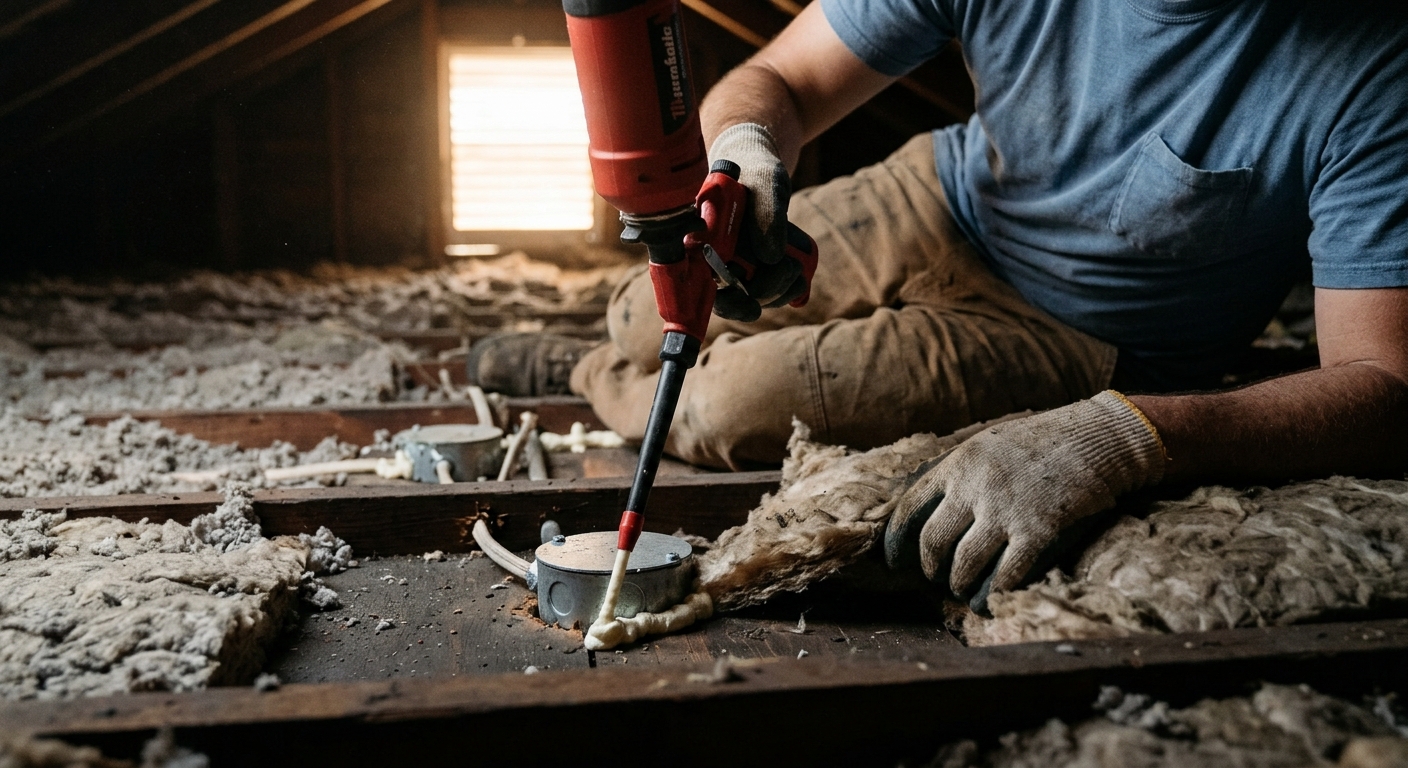
Most homeowners skip the most important step before adding attic insulation: sealing the air leaks that make insulation far less effective. Doing both together can cut heating and cooling costs by 20 to 30% and pays back within 2 to 4 years.
Many homeowners add attic insulation expecting dramatic improvements, only to find their rooms are still drafty, hot, or uneven in temperature. The real culprit is almost always air leakage, and without sealing it first, even R-60 insulation will underperform.