If your heating and cooling bills seem higher than they should be, the answer is almost always hiding somewhere in your building envelope. Drafty walls, an under-insulated attic, a leaky rim joist – these problems are invisible to the naked eye but show up immediately during a professional home energy audit. The challenge is that most homeowners skip the audit and go straight to buying new insulation, which often means spending money in the wrong place.
A home energy audit is not just an inspection. It is a diagnostic process that uses blower door tests, infrared thermography, and combustion safety checks to build a detailed map of where your home is losing conditioned air and where heat is transferring through the building shell. The insulation findings alone can point you toward upgrades that reduce heating and cooling costs by 15 to 30 percent, with payback periods as short as 2 to 4 years depending on your climate and current insulation levels.
This post breaks down exactly what an energy audit reveals about your insulation, how to interpret the results, and how to act on them – whether you want to tackle the quick wins yourself or hire a contractor for a full-envelope upgrade.
What You’ll Need
Click on an item below to shop for the recommended items for this recipe on Amazon.
As an Amazon Associate, we earn from qualifying purchases.
How to Do It
- On a cold day with the heat running, walk your attic hatch, basement rim joist, and any exterior wall outlets and switch plates. Hold your hand near each surface and feel for cold air movement, which signals a bypass or air leak adjacent to missing insulation.
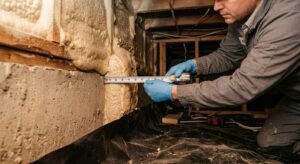
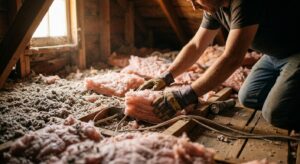
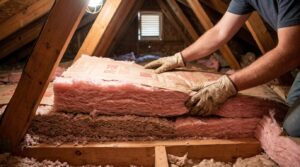
- Measure the depth of your attic insulation with a ruler or yardstick in at least 5 different spots. Multiply inches of fiberglass by 3.2 or inches of cellulose by 3.7 to estimate your current R-value. Compare to DOE recommended levels: R-38 to R-60 for most US attics.
- Check your utility bills for the past 12 months and calculate your average cost per heating degree day. A number significantly higher than your neighbors or regional average is a strong indicator of insulation or air sealing deficiency.
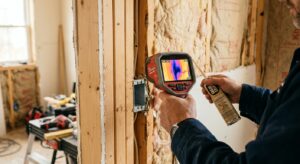
- Use a laser thermometer or inexpensive infrared thermometer to scan wall surfaces, window frames, and electrical outlets from inside. Readings more than 5 degrees Fahrenheit below room temperature on an interior wall surface indicate missing or bypassed insulation.
- Document every finding with photos and notes. Bring this list to a professional auditor or insulation contractor to prioritize the scope of work and get accurate quotes.
- Schedule a BPI-certified or RESNET-accredited auditor through your utility company’s energy efficiency program, the Department of Energy’s Home Energy Score program, or a local certified contractor. Confirm the audit includes a blower door test and infrared thermal imaging, not just a visual walkthrough.
- Before the auditor arrives, make a list of problem areas you have noticed: rooms that are hard to heat or cool, unusually high bills during extreme weather, condensation on walls or windows, and any recent remodeling that may have disturbed insulation.
- During the blower door test, the auditor depressurizes your home to 50 pascals and measures total air leakage in CFM50. A well-sealed home scores below 1,500 CFM50. Most older homes test between 3,000 and 8,000 CFM50, indicating significant insulation bypass potential.
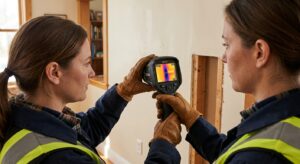
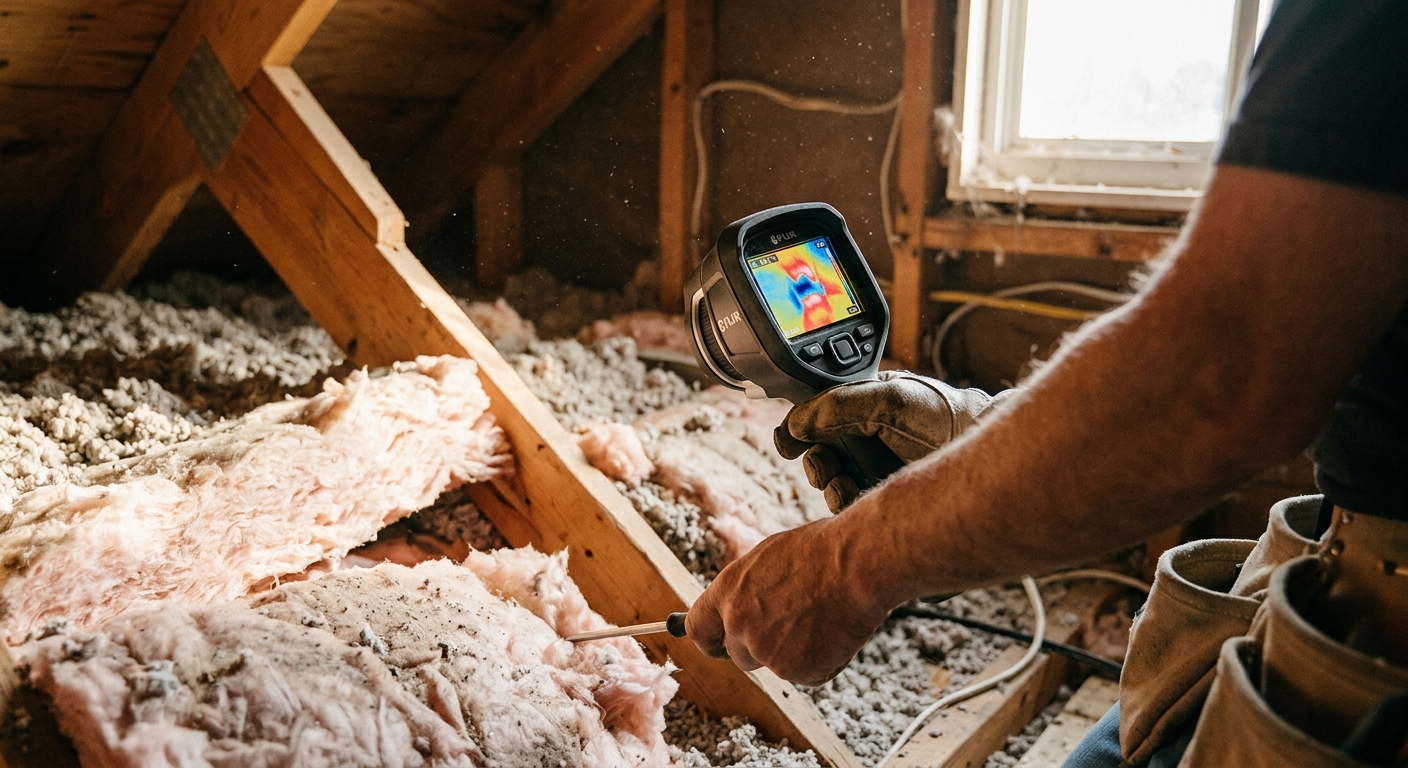
- During infrared imaging, watch where the auditor points the camera. Cold blue spots on walls or ceilings during heating season indicate missing, settled, or bypassed insulation. Ask the auditor to identify the top three insulation deficiencies by heat loss impact, not just by area.
- Review the written report carefully. Look for the recommended insulation levels by zone (attic, walls, basement), the estimated savings for each measure, and whether any upgrades require moisture management changes like vapor retarder adjustments.
- Use the audit report to get contractor bids. A detailed audit report with specific R-value targets and identified bypass locations allows you to compare contractor proposals on an apples-to-apples basis and avoid paying for work that will not deliver meaningful savings.
- Use your audit report to rank improvements by cost-per-dollar-saved. Attic air sealing and insulation topping typically delivers the best payback (2 to 4 years). Rim joist insulation is often second. Wall insulation has the longest payback and highest complexity.
- Hire a weatherization contractor or insulation contractor to air seal attic bypasses before any new insulation is installed. This means sealing top plates, plumbing and electrical penetrations, and attic hatch perimeters with canned foam and fire-rated caulk. Skipping this step reduces the value of new attic insulation by 30 to 50 percent.
- Install blown-in cellulose or fiberglass in the attic to reach the DOE recommended R-value for your climate zone. In zones 4 to 8, this means R-49 to R-60. A 2,000 square foot attic brought from R-11 to R-49 typically costs $1,200 to $2,500 and saves $200 to $400 per year in heating and cooling costs.
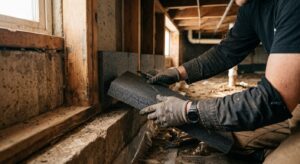
- Insulate and air seal the rim joist with 2-inch closed-cell spray foam cut-and-cobble panels or spray foam kits. This is one of the highest-impact improvements per dollar in most homes, especially in climates below 30 degrees Fahrenheit in winter.
- If wall insulation was flagged, consider dense-pack cellulose blown in through small holes in the exterior siding or interior drywall. This is a professional job only and costs $1.50 to $3.00 per square foot of wall area. It is worth doing when audit data shows significant wall heat loss.
- Schedule a post-improvement blower door test 30 to 90 days after work is complete to verify that air leakage was actually reduced and that insulation performance matches the projected savings from your audit report.
Why It Works: The Benefits
Without an audit, homeowners often add attic insulation when the real losses are in the rim joist or basement walls. An audit eliminates guesswork and ensures every dollar spent on insulation addresses the highest-impact location first.
The Department of Energy estimates that sealing air leaks and adding insulation to the recommended levels can reduce heating and cooling costs by 15 to 30 percent annually. Audits from certified raters can verify pre- and post-improvement performance to confirm actual savings.
Homes with audit-guided insulation improvements typically see a 3 to 5 degree Fahrenheit reduction in temperature swings between rooms, eliminating cold floors, drafty corners, and the overworked zones that drive equipment cycling.
Many utility rebate programs and the federal Energy Efficient Home Improvement Credit (25C) require a documented audit as a prerequisite. A professional audit can qualify you for rebates of $150 to $500 and tax credits covering up to 30 percent of insulation material costs, up to $1,200 per year.
An audit that includes a hygrothermal assessment can prevent homeowners from installing insulation in a way that traps moisture. Catching this before a retrofit can save thousands of dollars in mold remediation or structural repair down the road.
💰 Savings Impact by Action
Sealing attic floor bypasses before adding insulation reduces stack-effect-driven heat loss by up to 20% in heating-dominated climates.
Upgrading attic insulation from R-11 to R-49 reduces attic-sourced heating and cooling load by 15 to 25% depending on climate zone.
Spray foam insulation of the rim joist eliminates a major thermal bypass and can reduce total heating load by up to 10% in cold climates.
Dense-pack cellulose in previously empty wall cavities reduces wall conductive losses by up to 12% of total building envelope heat transfer.
Comprehensive air sealing combined with insulation upgrades can reduce total annual heating and cooling energy use by 20 to 30% per DOE estimates.
🏠 Key Concepts Explained
The Science Behind It
Insulation works by trapping air in tiny pockets that resist conductive heat transfer. Every material has a resistance value (R-value) per inch, and the total R-value of your building envelope determines how slowly heat moves through it. The critical insight from building science is that R-value is a measure of resistance under ideal, still-air conditions. When air is moving through or around insulation, that resistance collapses. This is why blower door tests are essential to any honest insulation assessment: they reveal how much of your envelope is being bypassed by air movement rather than just conducting heat through intact insulation.
Infrared thermography works because any surface that is gaining or losing heat at a different rate than its surroundings will show a temperature differential. During a blower door test, cool outside air infiltrating through bypasses chills the surfaces it contacts, creating clear cold spots on an infrared camera. Without the pressure differential created by the blower door, many of these leaks are too subtle to detect thermally. This is why a quality audit always combines both tools rather than using infrared imaging alone, which can produce false positives from thermal mass differences and miss intermittent leaks entirely.
The hygrothermal dimension of insulation science is often overlooked. When you add insulation to a wall or ceiling assembly, you shift the location of the dew point – the spot where warm, humid indoor air can cool enough to condense. If that dew point lands inside a vapor-permeable material like a wood stud or unfaced fiberglass, moisture accumulates over time and causes rot or mold. Climate zone, interior humidity levels, and the vapor permeability of each layer in your assembly all determine whether a proposed insulation upgrade is safe. A proper energy audit assesses this risk and specifies vapor control requirements as part of any insulation recommendation, not as an afterthought.
Frequently Asked Questions
▼ My energy audit said my insulation is fine but my bills are still high. What now?
If insulation and air sealing checked out, the next culprits are equipment efficiency and duct losses. Ask the auditor whether duct leakage testing was included – most audits do not test ducts by default, and leaky ducts in unconditioned attics or crawl spaces can waste 25 to 40 percent of conditioned air before it reaches living areas. Request a duct blaster test or have your HVAC contractor measure static pressure and supply-return balance.
▼ How do I find a legitimate energy auditor and avoid getting scammed by someone who just sells insulation?
Look for auditors certified by BPI (Building Performance Institute) or accredited by RESNET as a HERS rater. Both certifications require demonstrated knowledge of building science and independent testing protocols. Be cautious of any ‘free audit’ offered by an insulation contractor with no third-party certification, as these often skip blower door testing and simply recommend the product the company sells. Your utility’s energy efficiency program is usually the safest referral source.
▼ The audit showed I need R-49 in my attic but I already have some insulation up there. Do I remove it first?
No, in almost all cases you do not remove existing attic insulation unless it is wet, vermiculite, or severely contaminated. The standard approach is to air seal the attic floor bypasses first, then blow additional insulation on top of what is already there to reach the target R-value. An auditor or contractor will measure your existing depth to calculate how much additional material is needed to hit R-49 or R-60.
▼ How long after getting an audit should I expect to see lower energy bills?
You will see savings during the first full heating or cooling season after completing the recommended work. On a typical home where attic insulation and air sealing are upgraded, most homeowners report a 15 to 25 percent reduction in seasonal energy use. Because utility bills are affected by weather variation, compare the same calendar months year over year rather than month to month for an accurate picture of your savings.
▼ Can I use the audit report to apply for a federal tax credit?
The audit report itself does not automatically qualify you for the credit, but it supports your case and documents what was done. Under the 25C Energy Efficient Home Improvement Credit, you can claim 30 percent of insulation material costs (not labor) up to $1,200 per year. Keep your audit report, contractor invoices, and product specification sheets showing the insulation meets the relevant IECC standards, and file IRS Form 5695 with your return.
Quick Tips
- Check your utility’s website before paying for a professional audit. Many utilities offer free or heavily subsidized audits (under $100) through programs tied to DOE weatherization funding.
- Schedule your audit during the heating season if possible. Temperature differentials of at least 15 degrees Fahrenheit between inside and outside produce the strongest infrared signal and the most accurate thermal imaging.
- Take photos of every insulation location your auditor flags and keep them with your home records. If you sell your home, documented energy improvements with audit reports add measurable value and can justify higher asking prices.
- If your audit recommends both air sealing and insulation, always complete air sealing first. Adding insulation on top of unsealed bypasses wastes money and can trap moisture that degrades the new insulation faster.
Variations for Your Situation
- Apartment/Rental: Renters cannot commission a professional audit or modify building insulation, but you can use a laser infrared thermometer to document cold walls and draft sources and present findings to your landlord in writing. Frame it as a maintenance issue affecting habitability and energy costs. If the landlord is unresponsive, contact your local utility, as many offer free building envelope assessments for landlords of multi-unit properties that can trigger action.
- Tight Budget (under $50): Skip the professional audit for now and focus on the free DIY pre-audit steps in this post. A $15 to $25 infrared thermometer from a hardware store gives you a basic thermal scan capability. The single highest-impact free action is sealing your attic hatch with a rigid foam cover and weatherstripping, which costs under $30 in materials and eliminates one of the biggest insulation bypasses in most homes. Then save toward a utility-subsidized audit.
- Older Home (pre-1980): Homes built before 1980 present specific audit complications: possible vermiculite or asbestos-containing insulation, knob-and-tube wiring that restricts where insulation can be added safely, and wall cavities that may have no insulation at all rather than degraded insulation. Make sure your auditor is experienced with older construction and ask specifically about knob-and-tube wiring before any insulation is added to those wall cavities, as covering active knob-and-tube with insulation is a fire hazard recognized by most electrical codes.