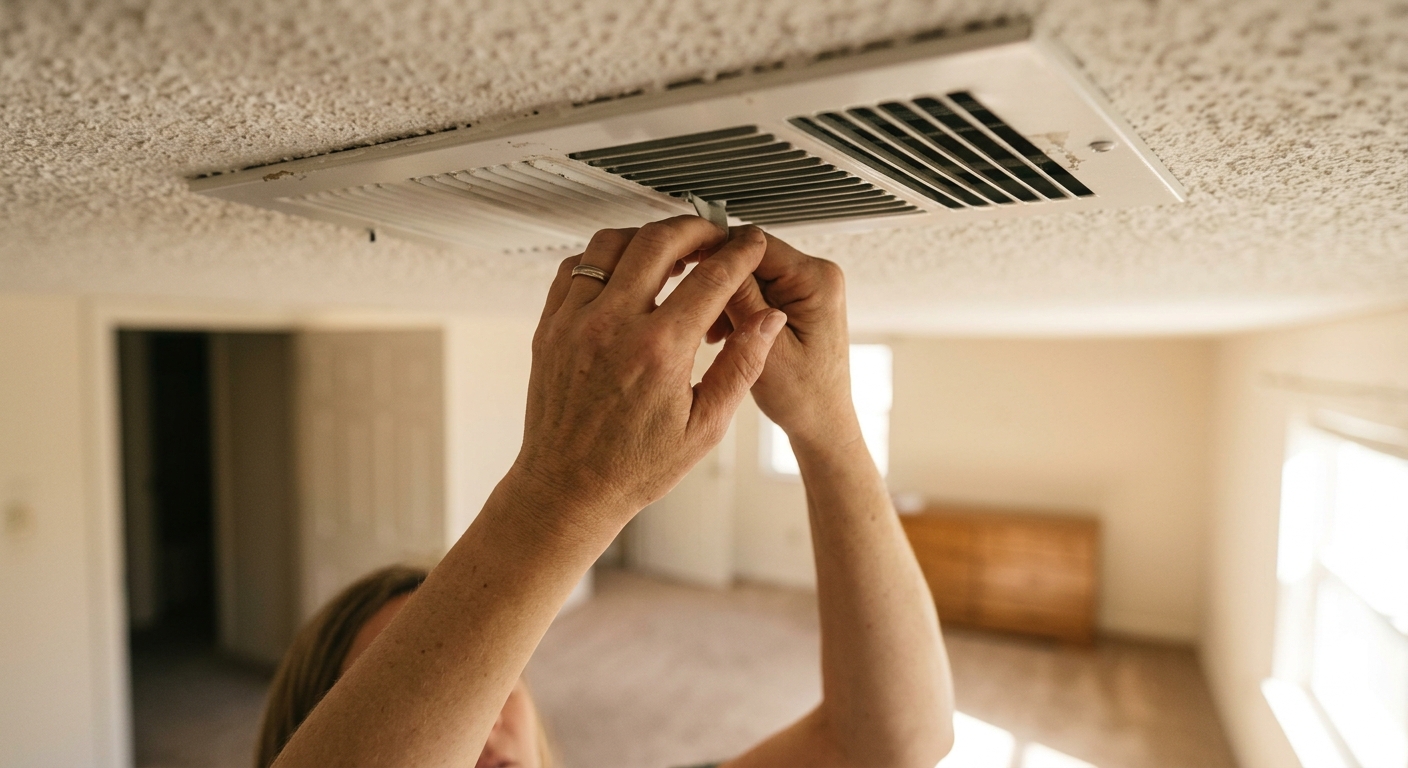
Closing vents in spare bedrooms seems like a smart way to save energy, but it actually increases pressure in your duct system and forces your AC to work harder. Here is what building science says you should do instead to actually lower your cooling bills.
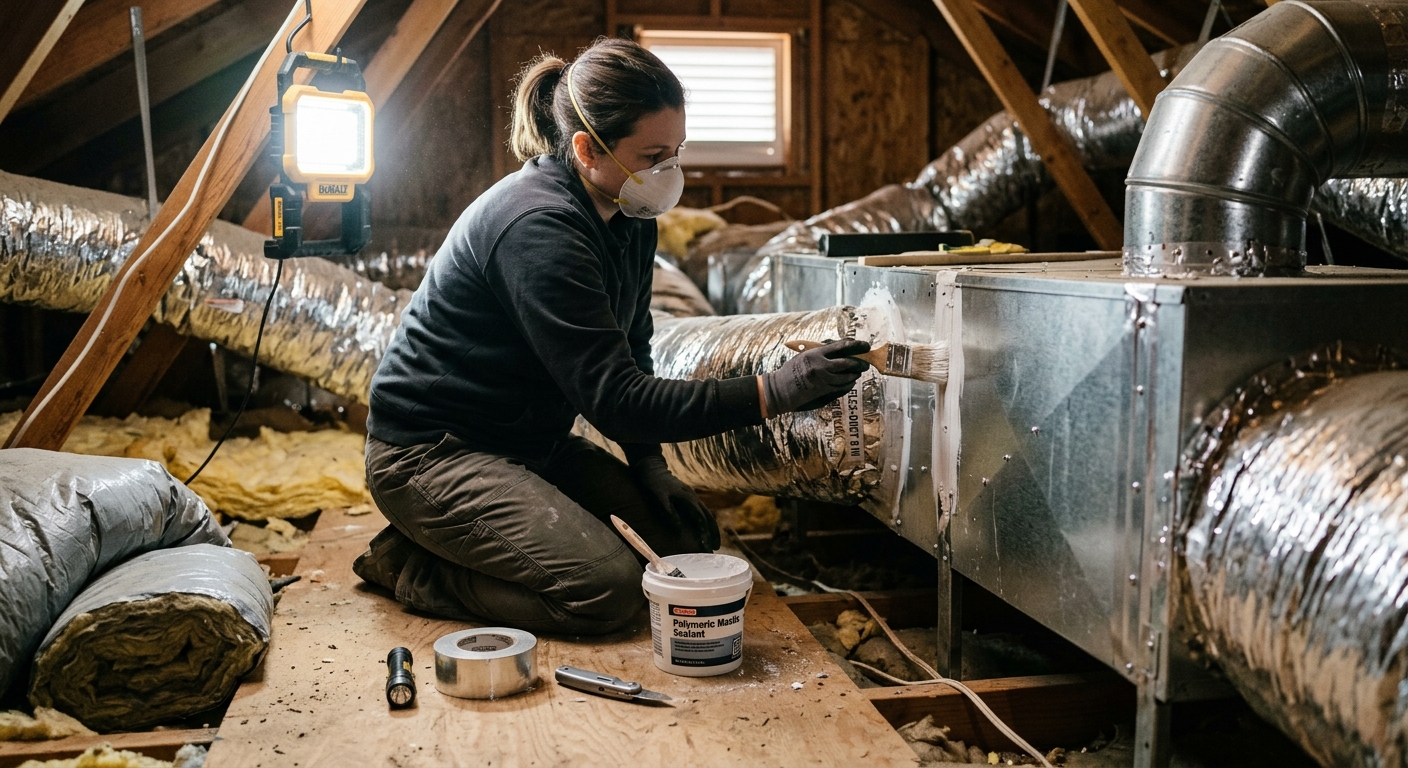
Leaky and poorly insulated ducts silently bleed conditioned air into attics, crawl spaces, and wall cavities where it does nothing for your comfort. Sealing and insulating your duct system is one of the highest-return fixes a homeowner can make, often recovering $300 to $600 per year in wasted cooling costs.
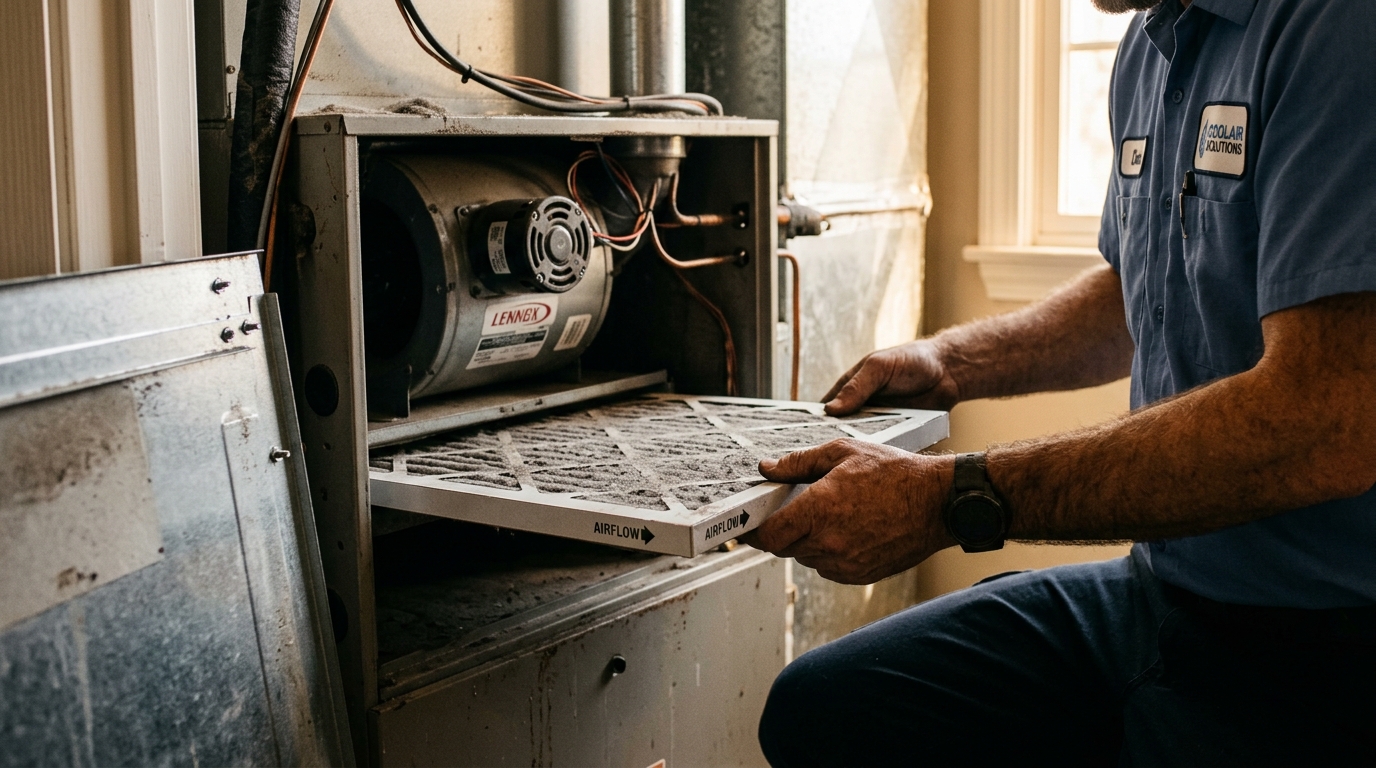
Few things are more frustrating than an air conditioner running nonstop while your house stays hot. This guide walks you through the four most common causes of warm air from your AC and exactly how to diagnose and fix each one.
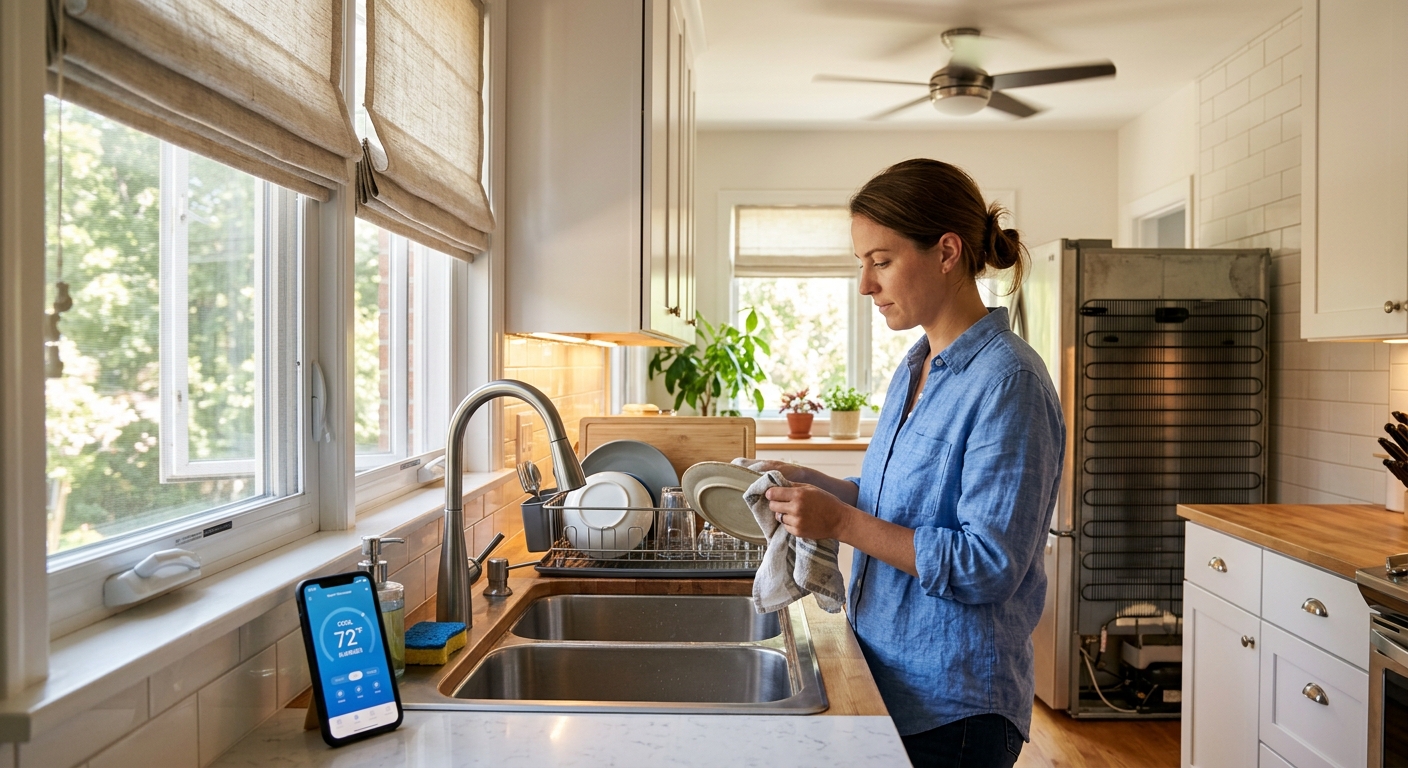
Your AC is working overtime, but the problem might not be outside. Five common indoor heat sources can add thousands of BTUs to your cooling load, driving up energy bills by 20 to 40%.
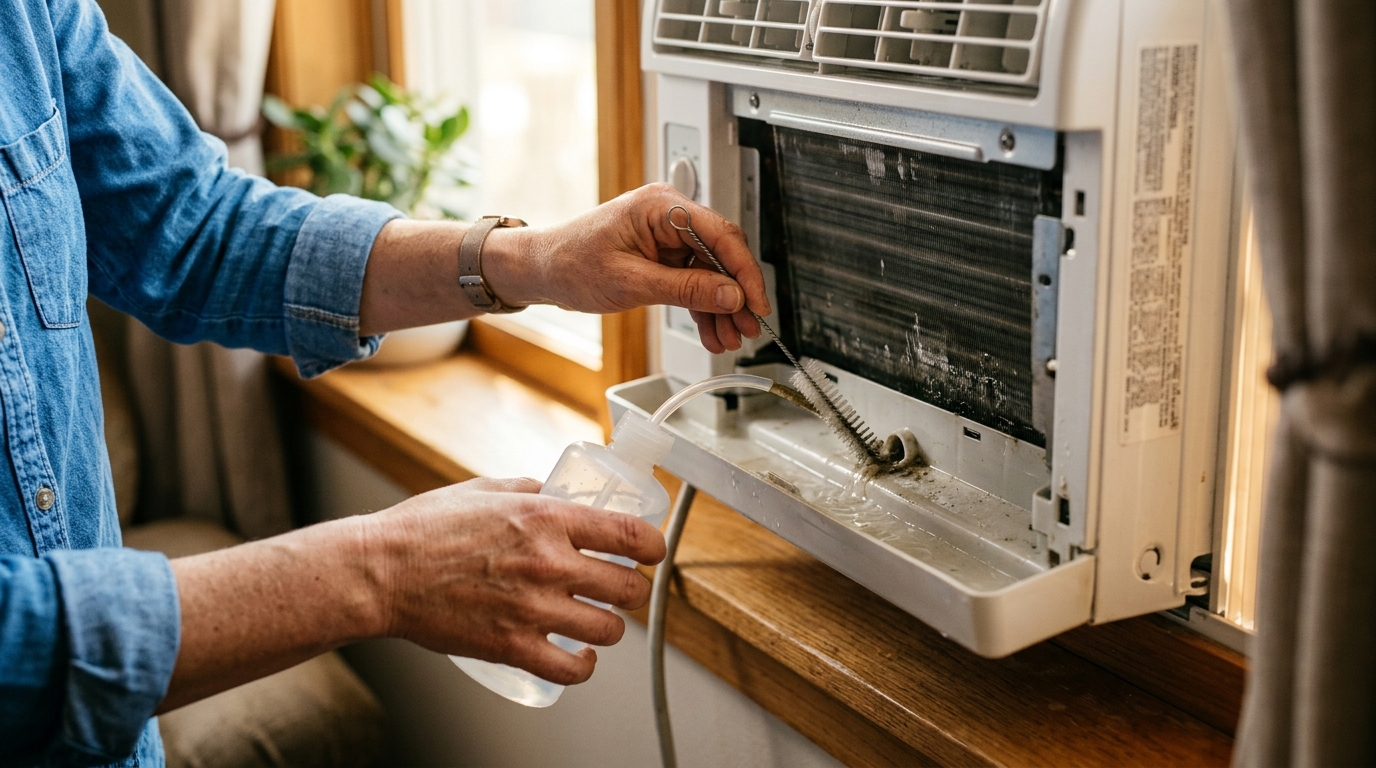
A window unit dripping water into your room is more than a nuisance – it signals a drainage problem that can damage your floors, walls, and the unit itself. Most cases come down to improper tilt, a clogged drain, or a frozen evaporator coil, and all three are fixable without calling a technician.
South and west-facing windows can turn a comfortable room into an oven by mid-afternoon, driving your AC to work overtime. A simple solar control window film costing as little as $15 blocks up to 79% of solar heat gain and can shave 8 degrees off your room temperature without blocking your view.
Most homeowners leave windows open at the wrong times, accidentally pulling hot air in and trapping heat inside. A simple shift in your window routine, timed around outdoor temperatures, can drop indoor temps by 5 degrees or more without touching your thermostat.
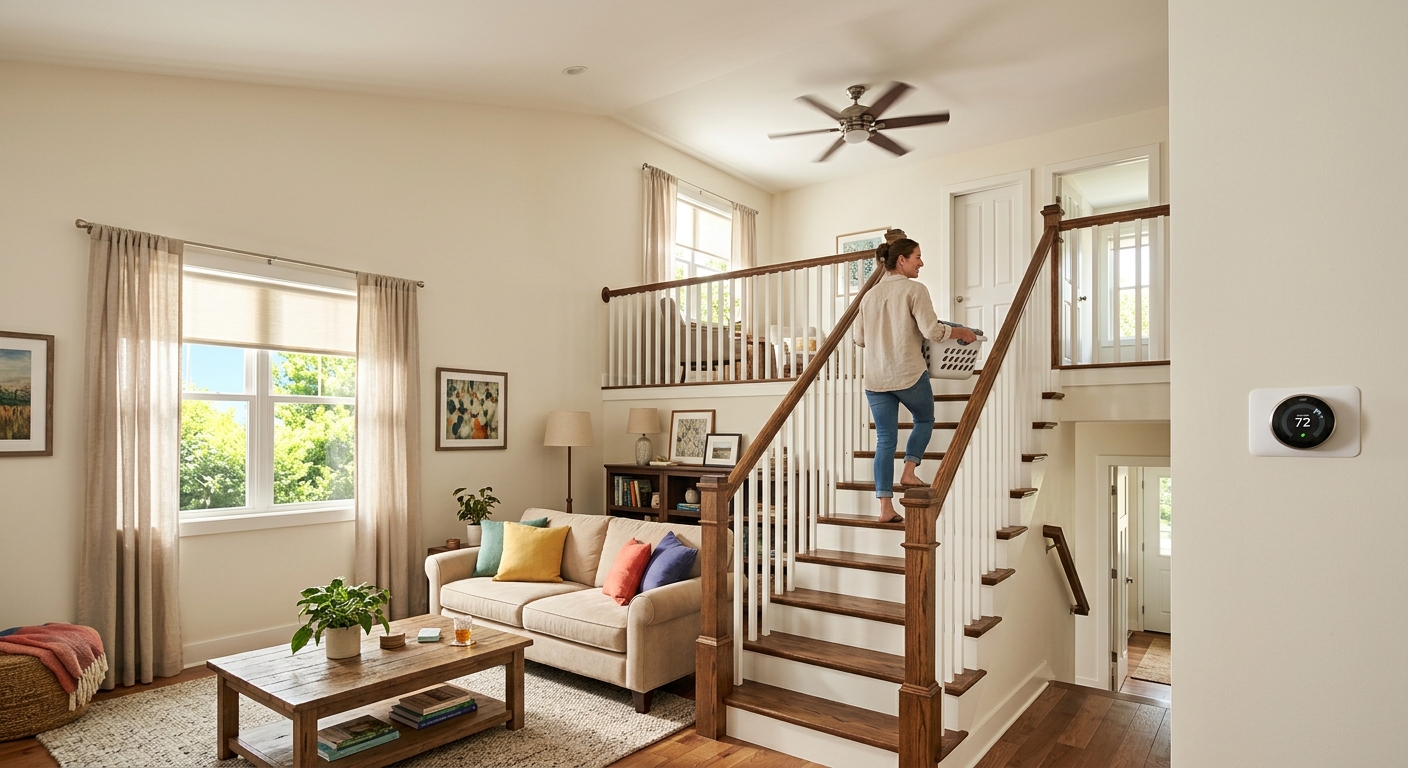
Two-story homes are notorious for uneven cooling, with upper floors staying stuffy while the ground floor turns into a meat locker. The fix involves understanding heat physics and making a few strategic adjustments to how your system runs.
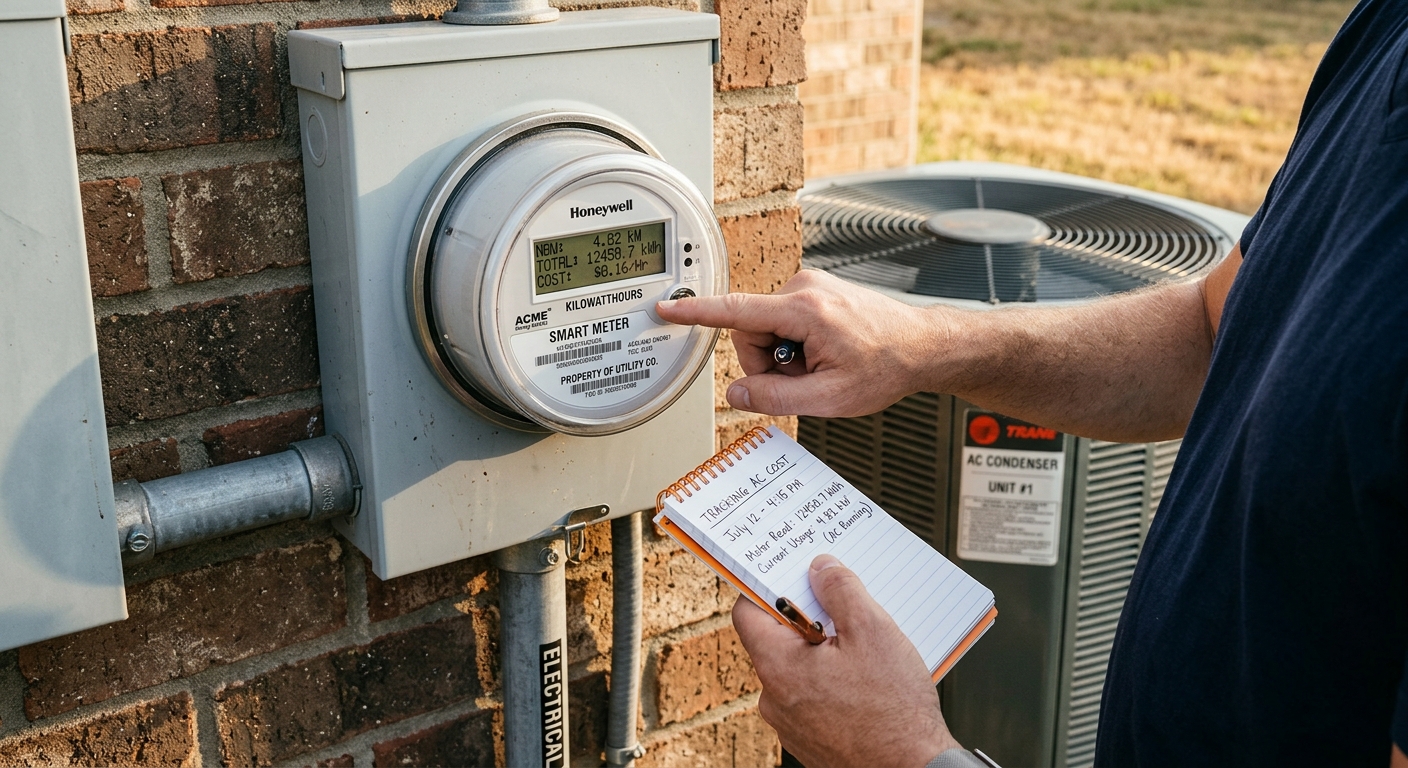
Most homeowners have no idea how much electricity their AC actually consumes until the bill arrives. Learning to read your electric meter gives you real-time cost data so you can catch inefficiencies, compare usage day by day, and make smarter decisions about cooling your home.
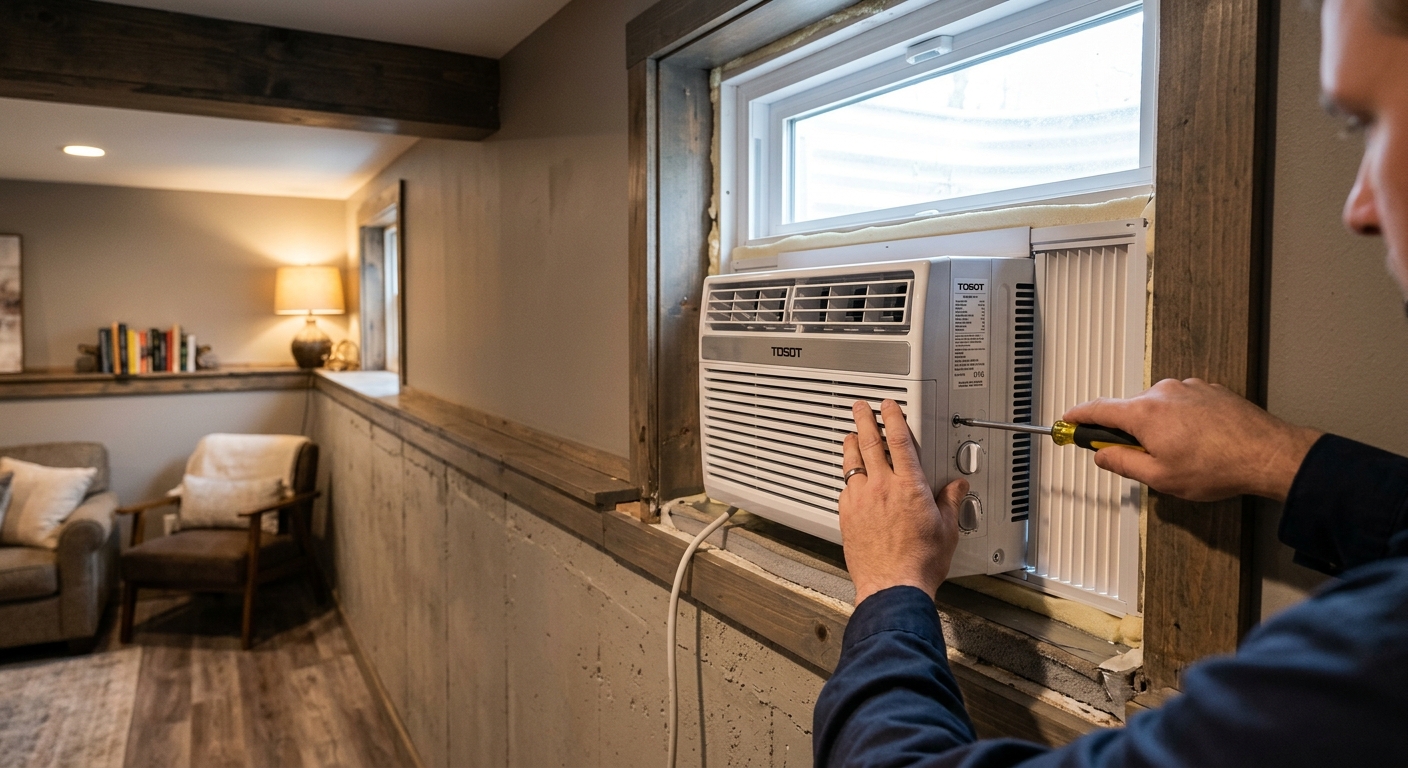
Finished basements are notoriously tricky to cool because most central HVAC systems were never designed to reach them efficiently. The good news is that you can achieve genuine comfort with targeted, ductwork-free solutions that cost a fraction of a full HVAC extension.