Every July, millions of homeowners open their electric bill and wince. The average U.S. household spends $400 to $650 on cooling over the summer, and July is typically the most expensive single month. It’s tempting to blame the weather and move on, but if your bill jumped 30% or more compared to June, the temperature difference alone rarely explains it. Something else is going on inside your home.
The real culprits are a combination of compounding factors that all peak simultaneously in midsummer: intense solar radiation baking your roof and walls, humidity forcing your AC to work overtime, air leaks letting hot air pour in, and thermostat habits that made sense in spring but cost you in July. None of these are expensive to fix, and most can be addressed in a single weekend.
This post breaks down exactly why July bills spike, which factors are costing you the most, and how to attack them with a quick free fix or a more thorough DIY upgrade depending on how much time you want to invest. Real savings numbers are included so you know what to expect on next month’s bill.
What You’ll Need
Click on an item below to shop for the recommended items for this recipe on Amazon.
As an Amazon Associate, we earn from qualifying purchases.
How to Do It
- Raise your thermostat setpoint to 78°F while home and set it to 85°F or off when away for more than 2 hours. This single change saves 3% per degree and is the highest-impact zero-cost action you can take.
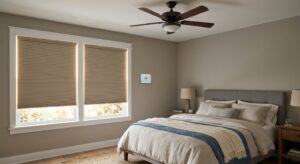
- Close blinds and curtains on all south and west-facing windows before 11am. Interior blinds block 15 to 25% of solar heat gain. Cellular shades or blackout curtains perform even better.
- Switch ceiling fans to counterclockwise rotation at medium speed in every occupied room. The wind-chill effect makes 78°F feel like 75°F, letting you raise the thermostat 2 to 3°F without sacrificing comfort.
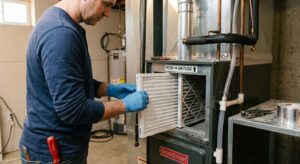
- Check and replace your AC air filter if it has been more than 60 days since the last change. A clogged filter reduces airflow, forcing the system to run longer cycles and can drop efficiency by 5 to 15%.
- Turn off or unplug heat-generating appliances you are not actively using, including desktop computers, game consoles, and televisions on standby. These add to your indoor heat load directly.
- Buy a roll of reflective window film ($25 to $50) and apply it to south and west-facing windows. Low-e window film rejects 50 to 70% of solar heat gain and pays back in one to two summers in warm climates.
- Inspect and seal the attic hatch or pull-down stairs with weatherstripping and add rigid foam insulation to the back of the hatch door. An unsealed attic hatch is one of the single largest air leakage points in most homes.
- Use a can of low-expansion spray foam ($8 to $12) to seal around plumbing pipes, electrical wires, and HVAC ducts where they penetrate the ceiling into the attic. Each gap sealed reduces air infiltration and humidity intrusion.
- Caulk around all window and door frames inside and outside with paintable latex caulk. Focus on any visible gap wider than a business card. A $5 tube can seal 15 to 20 linear feet.
- Check your outdoor AC condenser unit and rinse the coil fins with a garden hose from the inside out. Dirty condenser coils raise operating pressure and reduce efficiency by up to 30%. Do this with the unit powered off at the breaker.
- Install a programmable or smart thermostat if you do not already have one. Proper scheduling saves an average of 10% annually on cooling, and entry-level models cost $25 to $50.
- Have a professional energy audit done ($100 to $300) or rent a blower door test kit to identify your home’s worst air leakage points before spending money on materials. Many utilities offer free or subsidized audits.
- Add blown-in attic insulation to bring your attic floor to R-38 to R-60 depending on your climate zone. Below R-30, every additional R-value delivers noticeable bill reductions. This upgrade alone can cut cooling costs by 10 to 20%.
- Install a radiant barrier on the underside of your roof decking if your attic lacks one. A foil radiant barrier reflects up to 97% of radiant heat and can lower attic temperatures by 20 to 30°F, directly reducing the heat load on your ceiling.
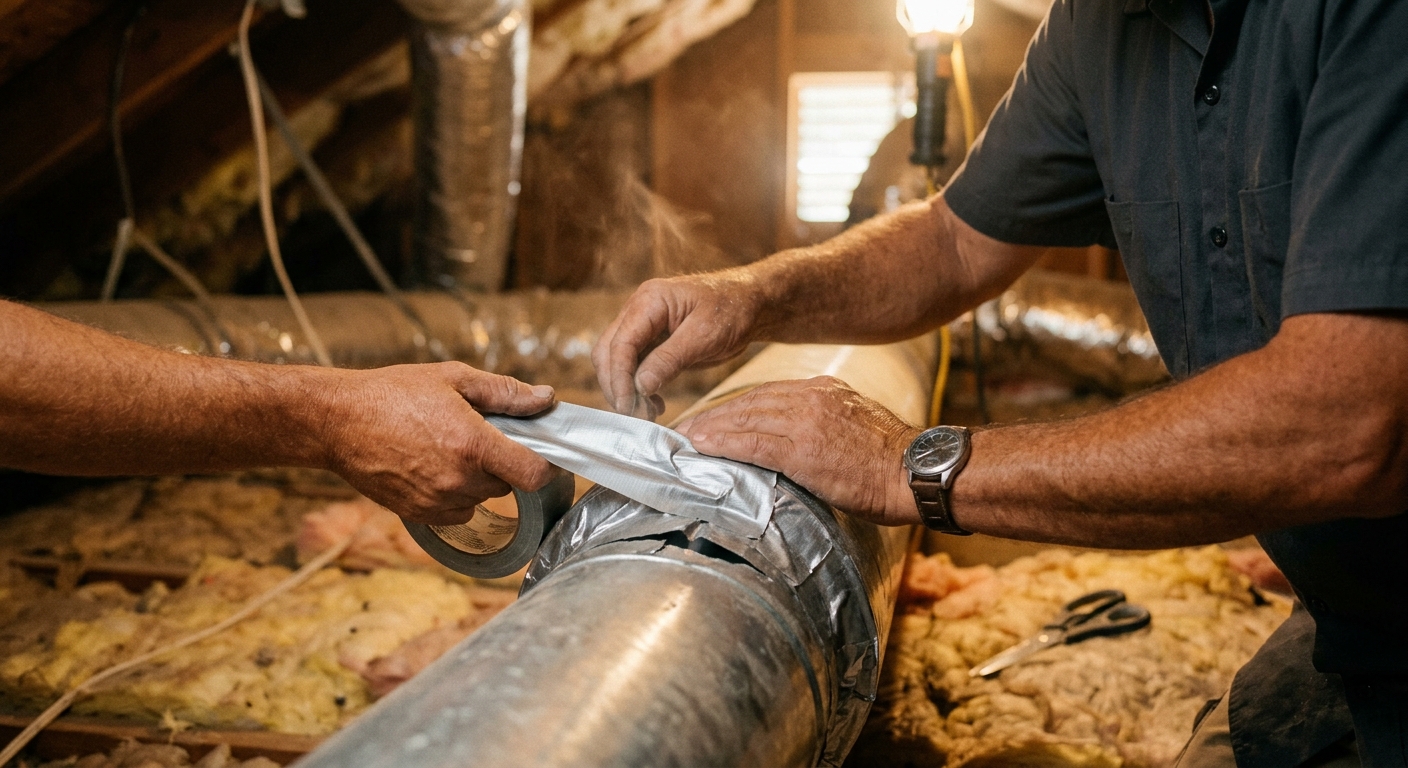
- Seal and insulate HVAC ducts in the attic using mastic sealant and duct wrap. Studies show that 20 to 30% of conditioned air is lost through leaky attic ducts in a typical home, which is money spent cooling your attic instead of your living space.
- Consider exterior solar shades or awnings on south and west-facing windows if interior films are not enough. Exterior shading blocks solar gain before it reaches the glass and can reduce window heat gain by 60 to 80%.
Why It Works: The Benefits
Combining the fixes below can reduce cooling energy use by 15 to 30%, translating to $60 to $150 in savings on a typical July bill in a warm climate.
Blocking solar heat gain and sealing air leaks reduces the temperature swings that cause rooms to overheat in the afternoon, making your home feel more comfortable without lowering the thermostat setpoint.
Every hour you shave off daily AC runtime extends equipment life. Reducing runtime by 2 hours per day over a 90-day summer saves roughly 180 compressor-hours, which can add years to a unit that costs $3,000 to $7,000 to replace.
Sealing air leaks reduces the amount of outdoor humid air entering your home, allowing your AC to maintain 45 to 55% relative humidity, which is the sweet spot for comfort and indoor air quality.
Unlike insulation or window replacement with 5 to 10 year paybacks, the fixes here range from free to $150 with payback periods measured in weeks to months, not years.
💰 Savings Impact by Action
Raising the cooling setpoint by 4°F (from 74 to 78°F) and using fans reduces cooling energy by approximately 12% with zero cost.
Sealing attic bypasses, penetrations, and window frames can reduce conditioned air loss and humidity intrusion by up to 20% in a typical home.
Low-e window film on south and west windows blocks 50 to 70% of solar heat gain, reducing total cooling load by 10 to 15% in sun-heavy homes.
Cleaning a dirty condenser coil restores up to 30% lost efficiency and can reduce runtime by 10 to 15% on a neglected unit.
Upgrading attic insulation to R-49 in a climate zone 3 to 4 home reduces ceiling heat gain by 15 to 20% compared to an under-insulated attic.
🏠 Key Concepts Explained
The Science Behind It
Your AC does not create cold, it moves heat. The refrigerant cycle absorbs heat from indoor air at the evaporator coil and rejects it outside at the condenser coil. The harder it is to reject that heat outdoors (due to high outdoor temperatures or dirty coils), and the more heat that enters your home indoors, the longer the compressor has to run to maintain your setpoint. July stacks every possible disadvantage onto both sides of this equation simultaneously.
Solar radiation is particularly important to understand because it operates independently of air temperature. Even on a mild 85°F July day, direct sunlight through west-facing glass can push a room temperature up by 8 to 12°F in a single afternoon hour. This radiant energy does not care about your insulation, it travels as electromagnetic waves and converts to heat when it hits your floors and furniture. The only way to stop it is to intercept it before it enters, either with exterior shading or window film that reflects the near-infrared spectrum.
Humidity compounds everything through latent heat. Converting water vapor in the air back into liquid requires energy, specifically 1,060 BTUs per pound of water removed. When your home leaks humid outdoor air, your AC must handle both the sensible temperature load and this latent dehumidification load. In a leaky home in a humid climate, latent load alone can represent 35 to 40% of your total cooling energy. This is why air sealing delivers disproportionately large savings in July compared to drier or cooler months.
Frequently Asked Questions
▼ Why is my AC still running all day even after I tried these fixes?
If your AC runs continuously and still cannot reach setpoint, you likely have either an undersized system, a refrigerant leak, or severely degraded insulation. Start by checking whether the air coming from your supply vents feels noticeably cold (below 60°F); if not, call an HVAC technician to check refrigerant charge. If the air is cold but the house still cannot cool down, your building envelope likely needs a professional energy audit.
▼ Can renters do most of this without landlord permission?
Yes, several of the quick fixes require no permission at all: thermostat adjustments, ceiling fan direction, filter changes, closing blinds, and unplugging appliances are all fully within a renter’s control. For window film, ask your landlord first since some leases prohibit window modifications, but most temporary static-cling versions leave no residue and are generally accepted. Avoid spray foam and caulking without written permission.
▼ How long before I actually notice savings on my bill?
Thermostat changes and filter replacement can show up in your very next billing cycle, sometimes within two weeks if your utility bills monthly. Window film and air sealing results will be visible in the first full month after installation. Keep in mind that if August is hotter than July, your bill may stay flat even as efficiency improves, so compare your usage in kilowatt-hours rather than dollar amounts for an accurate read.
▼ My July bill is high but my house feels comfortable. Should I still worry?
Comfort and efficiency are not the same thing. If your home feels fine but the bill is high, your AC is likely working very hard to maintain that comfort, which usually points to high solar gain, a leaky envelope, or an inefficient older unit. A home that stays comfortable at a higher setpoint (say 78°F instead of 72°F) uses dramatically less energy. Check your thermostat setpoint first, then look at your system’s SEER rating if it is more than 15 years old.
▼ What if my home is older than 30 years?
Older homes typically have significantly more air leakage (3 to 5 times more than a modern tight home) and less attic insulation, which means the fixes described here deliver even larger savings than average. Prioritize attic air sealing and insulation first since those have the highest impact in older construction. Also check whether your ductwork is insulated since many pre-1990 homes have bare metal ducts running through unconditioned attic space, which alone can waste 25 to 30% of your cooling energy.
Quick Tips
- Cook outdoors or use a microwave and slow cooker instead of the oven on peak heat days. An oven running for one hour adds roughly 3,000 to 4,500 BTUs of heat directly to your kitchen.
- Run your dishwasher and clothes dryer after 9pm when outdoor temperatures drop. This reduces both the heat load on your AC and takes advantage of off-peak electricity rates if your utility offers time-of-use pricing.
- Check that all supply vents in your home are fully open and unobstructed. Closing vents in unused rooms does not save energy on central HVAC systems and can increase duct pressure, leading to more leakage.
- Hang exterior shade cloth on a porch or pergola facing west. A simple shade sail costing $30 to $80 can block 90% of direct sun from reaching your home’s west wall and reduce wall surface temperature by 20 to 40°F.
Variations for Your Situation
- Apartment or Condo: You cannot modify central HVAC or add attic insulation, but you can still cut your bill meaningfully. Focus on window film (static-cling versions require no permission and cost $20 to $40 per window), door draft stoppers, portable fans to reduce thermostat demand, and unplugging phantom-load electronics. In a top-floor unit, a reflective window film on the largest sun-facing window is often the single highest-impact action available.
- Tight Budget Under $50: Prioritize in this order: replace the air filter ($8 to $15), raise the thermostat setpoint by 2°F and use ceiling fans ($0), close blinds on sun-facing windows during peak hours ($0), and seal the most obvious drafts around doors with a foam weatherstrip kit ($6 to $12). These four steps together can reduce your July bill by 10 to 18% with under $30 spent.
- Older Home Pre-1980: Your biggest gains will come from attic air sealing and insulation rather than surface-level fixes. Start by checking your attic insulation depth. Anything under 6 inches (roughly R-19) is severely under-insulated by modern standards and likely costing you 20 to 30% extra on cooling. Many utilities offer rebates or low-interest loans specifically for insulation in older homes. Also check whether your windows are single-pane, since adding interior storm window inserts ($30 to $90 each) is far cheaper than full window replacement and delivers most of the thermal benefit.