The EPA estimates that indoor air can be 2 to 5 times more polluted than outdoor air, even in cities. Dust mites, volatile organic compounds (VOCs) from furniture and cleaners, pet dander, mold spores, and cooking byproducts accumulate in your home every single day. Most people reach for an air purifier as a first response, but that $200 to $800 purchase often treats the symptom while leaving the source untouched.
The good news is that your home already has ventilation pathways, filtration equipment, and surfaces that can work together to clean your air. Your HVAC system, bathroom exhaust fans, kitchen range hood, and even your houseplants are all part of an air quality ecosystem you can optimize without buying a single new appliance. The real levers are source control, improved filtration through your existing system, and deliberate ventilation habits.
This post walks you through exactly how to do that, from zero-cost changes you can make in the next 15 minutes to a half-day DIY upgrade that can cut airborne particulates by 50% or more. Whether you rent or own, live in a new build or a 1960s ranch, there are specific steps here that will make a measurable difference in the air your family breathes.
What You’ll Need
Click on an item below to shop for the recommended items for this recipe on Amazon.
As an Amazon Associate, we earn from qualifying purchases.
How to Do It
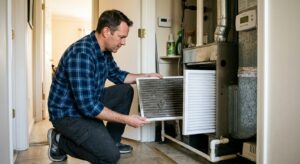
- Check your current HVAC filter. If it is gray, clogged, or you cannot remember when you last changed it, replace it today with a MERV 8 to 11 filter (about $8 to $15). Set a phone reminder to check it every 30 days.
- Establish a no-shoes rule at the door. Studies show shoes track in pesticides, lead dust, pollen, and bacteria. A simple shoe rack or mat at the entry costs nothing and reduces indoor particulates measurably.
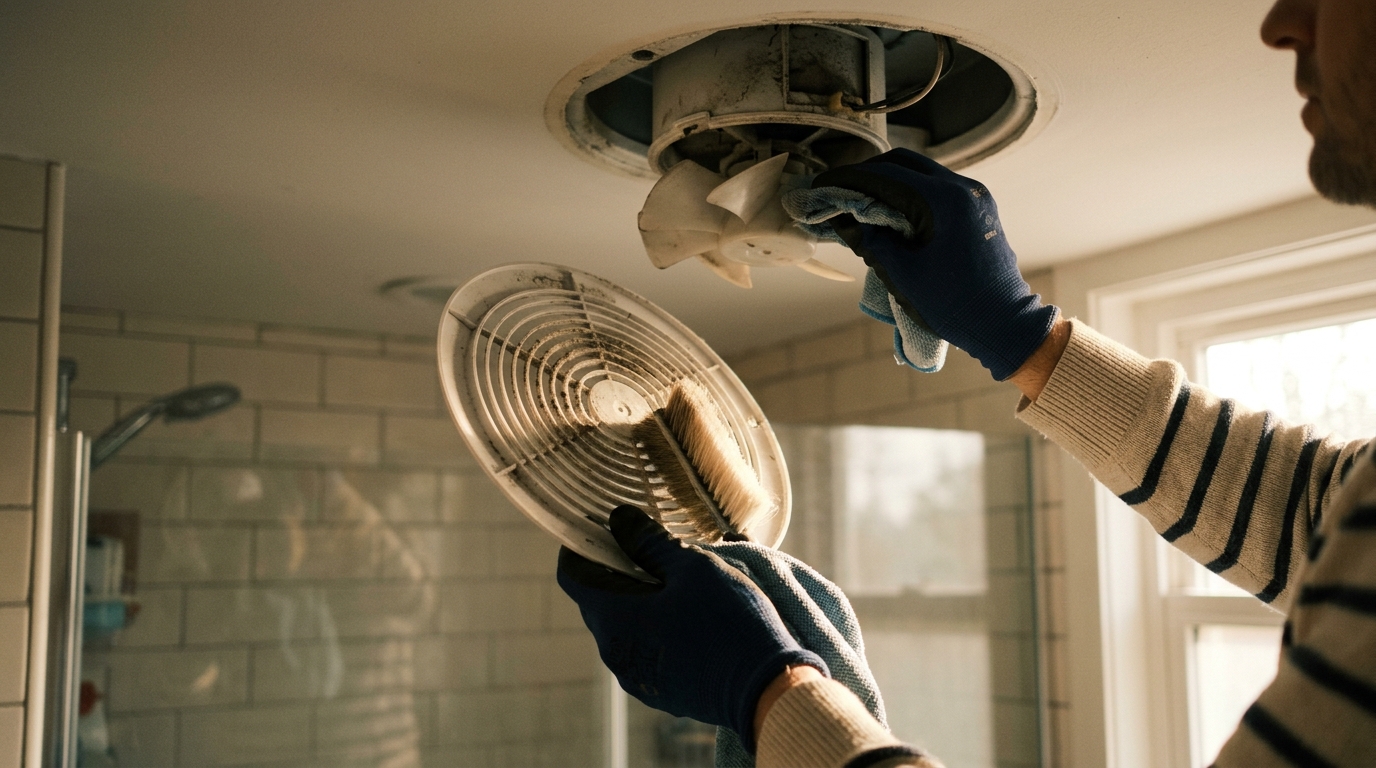
- Run your bathroom exhaust fan during every shower and for 15 minutes after. This removes humidity before it promotes mold growth. If the fan is noisy or weak, clean the cover grill with a damp cloth, since dust buildup alone can cut airflow by 30 to 40%.
- Turn on your kitchen range hood every time you cook, even for dry methods like toasting. Gas stoves release nitrogen dioxide and particulates. Electric cooking still generates grease aerosols and steam. Exhaust fans duct these outside instead of recirculating them.
- Open windows on opposite sides of your home for 10 minutes each morning when outdoor air quality is good (check AirNow.gov for your area). Cross-ventilation flushes stale, pollutant-laden air and resets your baseline without any equipment.
- Upgrade to a MERV 11 or MERV 13 pleated filter in your HVAC system. Confirm your system can handle the increased resistance by checking the blower amperage after installation (a minor increase is normal, but if airflow feels noticeably weaker at vents, drop back to MERV 11). Cost: $10 to $20.
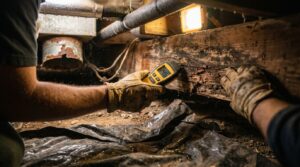
- Buy a digital hygrometer for each floor of your home (about $10 to $12 each). If humidity reads above 50%, run your AC or a bathroom exhaust fan longer. If below 35%, add a small cool-mist humidifier in the bedroom. Mold requires sustained humidity above 60% to colonize surfaces.
- Inspect and clean all bathroom and kitchen exhaust fan grills. Remove the cover, wash it in soapy water, and use a vacuum brush attachment to clean the fan blades. Obstructed fans can lose 40% of their rated CFM capacity, meaning moisture and pollutants linger far longer.
- Switch your regular household cleaners to low-VOC or plant-based alternatives (look for EPA Safer Choice label). Many common spray cleaners release benzene, formaldehyde, and ammonia into your indoor air. The cost difference is minimal and the exposure reduction is immediate.
- Replace dry dusting and dry sweeping with damp microfiber cloths and damp mopping on hard floors. Dry methods resuspend particles into breathing air. Damp microfiber traps particles at the surface and removes them. Do this weekly in high-traffic areas.
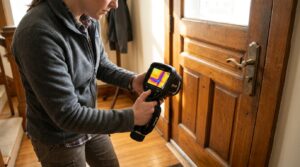
- Caulk visible gaps around window frames, baseboards, and where plumbing pipes enter walls. This reduces uncontrolled infiltration of outdoor pollen, vehicle exhaust, and soil gases. A single tube of paintable latex caulk costs about $5 and covers 30 to 40 linear feet.
Why It Works: The Benefits
Upgrading from a MERV 4 to a MERV 11 filter in your existing HVAC system can capture up to 85% of particles in the 1 to 3 micron range, including fine dust, pollen, and mold spores, at a cost difference of about $5 to $10 per filter change.
Combining a higher-MERV filter with weekly vacuuming using a HEPA-sealed vacuum and humidity control between 40 and 50% has been shown in AAFA studies to reduce dust mite allergen levels by 50 to 90% over 8 weeks.
Switching to low-VOC or no-VOC cleaning products and paints, and improving kitchen and bathroom ventilation, can reduce indoor VOC concentrations by 30 to 60% according to EPA indoor air quality research, with no recurring cost after the product swap.
A clogged or low-quality filter forces your blower motor to work harder, increasing energy use by up to 15%. A correctly rated, regularly changed filter keeps airflow resistance low while still improving filtration quality.
A quality air purifier for a single room costs $150 to $800 upfront plus $50 to $150 per year in replacement filters. These strategies deliver whole-home improvement for under $50 in most cases, with no new equipment to maintain.
💰 Savings Impact by Action
Switching from a MERV 4 to a MERV 11 filter in your existing HVAC system can reduce captured airborne particulates by 50% or more with no new equipment.
Maintaining indoor humidity below 50% consistently reduces dust mite allergen concentrations by up to 80 to 90% over 8 weeks according to allergy foundation research.
Switching to low-VOC cleaning products and establishing a no-shoes policy can reduce indoor VOC and tracked-particulate levels by 30 to 45% with zero recurring cost.
Consistently running exhaust fans during and after cooking reduces kitchen particulate and humidity buildup by approximately 30%, preventing pollutant accumulation throughout the home.
Replacing dry sweeping with damp mopping reduces particle resuspension by up to 60%, keeping settled dust trapped and removed rather than recirculated into breathing air.
🏠 Key Concepts Explained
The Science Behind It
Indoor air quality is determined by a balance between pollutant generation, dilution through ventilation, and removal through filtration or deposition. When you cook, clean, or simply walk across carpet, you generate particles in the 0.3 to 10 micron range. Particles under 2.5 microns (called PM2.5) are the most dangerous because they bypass your nasal passages and deposit deep in lung tissue. Your HVAC filter is the one mechanical filtration system that continuously processes all the air in your home, typically cycling through your full air volume 3 to 5 times per hour when the system is running.
MERV ratings are not linear. A MERV 8 filter captures about 70% of particles in the 3 to 10 micron range but only 20% of particles below 1 micron. A MERV 13 filter captures over 90% of particles across the 0.3 to 10 micron range, including fine combustion particles and some bacteria. The key constraint is airflow resistance: denser filter media creates more pressure drop, which can reduce the volume of air your blower moves per hour. This is why matching the MERV rating to your specific system capacity matters rather than always choosing the highest rating available.
Humidity control works through a different mechanism entirely. Dust mites cannot survive when relative humidity stays consistently below 50%, because they absorb moisture from the air rather than drinking water. Mold spores are always present in indoor air at low concentrations, but they only colonize surfaces when sustained moisture is available. By keeping indoor humidity in the 40 to 50% range, you use basic biology against two of the most common biological allergens, without any filtration equipment at all. A $12 hygrometer gives you real-time data to manage this variable actively rather than guessing.
Frequently Asked Questions
▼ I upgraded my HVAC filter but the air still smells stale. What am I missing?
HVAC filters capture particles but do not remove gases or VOCs. Stale smells usually indicate inadequate ventilation or a VOC source such as off-gassing furniture, stored chemicals, or a moisture problem. Try running cross-ventilation for 10 to 15 minutes each morning, identify and remove or seal any strong-smelling products, and check for hidden moisture issues under sinks or behind appliances.
▼ Can renters do any of this without landlord permission?
Yes, the majority of these steps require no structural changes. Upgrading your HVAC filter (if you handle the unit), using damp cleaning methods, controlling humidity with a hygrometer and cool-mist humidifier, switching cleaning products, and establishing a no-shoes policy are all renter-safe. Ask your landlord to clean or upgrade exhaust fans since that is a maintenance responsibility that benefits the property.
▼ My allergies are worse in winter even with the windows closed. Why?
Winter air is drier, which causes nasal passages to dry out and become more sensitive. Dust and pet dander concentrate indoors when windows stay closed and HVAC runs more frequently, recirculating particles. Check your filter condition first, then verify indoor humidity is between 40 and 50% using a hygrometer, and increase vacuuming frequency to twice weekly during winter months.
▼ How do I know if my bathroom exhaust fan is actually working?
Hold a single sheet of toilet paper up to the fan grill while it runs. If the paper is drawn toward the grill and stays, the fan is producing adequate suction. If it falls away or barely moves, the fan is clogged or the motor is failing. Clean the grill and blades first and retest. If performance does not improve, the fan likely needs replacement, which typically costs $30 to $80 in parts for a DIY job.
▼ Is a MERV 13 filter safe for all HVAC systems?
Not always. MERV 13 filters create more airflow resistance than lower-rated options, and older single-speed blower systems may struggle to move enough air through them. Signs of a problem include reduced airflow at vents, the system running longer than usual, or the system short-cycling. If you notice any of these after upgrading, drop to MERV 11, which still delivers strong filtration improvements without the airflow penalty.
Quick Tips
- Change your HVAC filter every 60 to 90 days, or every 30 days if you have pets or a household member with allergies. A dirty filter defeats the purpose of any MERV upgrade.
- Avoid synthetic air fresheners, plug-in scent diffusers, and scented candles as a substitute for ventilation. These products add VOCs to your air and mask odors without removing them.
- If your range hood recirculates rather than venting outside, a charcoal filter upgrade inside the unit will help with odors but will not remove humidity or combustion gases effectively. Exterior venting is always preferable.
- House plants do improve mood and oxygen levels marginally, but the NASA clean air study numbers are frequently overstated for real homes. You would need 10 to 1,000 plants per room to match even a modest air purifier. Focus on the mechanical solutions first.
- Check your local AirNow.gov or a free app like IQAir before opening windows. On high-pollen or high-ozone days, keeping windows closed and relying on your HVAC filtration is the better choice.
Variations for Your Situation
- Apartment/Rental: Renters often cannot access or replace central HVAC filters directly. Focus on portable solutions that do not require landlord approval: use a HEPA-filtered vacuum ($60 to $150), switch to low-VOC cleaning products immediately, place a digital hygrometer in each room and use a cool-mist humidifier or dehumidifier as needed, and request in writing that your landlord service the bathroom exhaust fans. A window fan with a MERV-rated filter taped to the intake side (a DIY ‘Corsi-Rosenthal box’ design) costs about $30 and meaningfully improves filtration in a single room.
- Tight Budget (under $50): Start with the three highest-impact zero-cost habits: no-shoes policy, cooking with the range hood on, and cross-ventilation every morning. Spend your budget on one MERV 11 filter ($10 to $15) and one digital hygrometer ($12). These two purchases address your two most controllable variables, particle filtration and humidity, and will deliver noticeable results within two to three weeks. Damp microfiber cloths cost about $8 for a pack and replace the need for spray cleaners and dry dusting simultaneously.
- Older Home (pre-1980): Homes built before 1980 often have fiberglass batt insulation and low air sealing, meaning uncontrolled infiltration brings in more outdoor pollen, soil gases, and sometimes radon. Prioritize caulking visible penetrations and gaps at baseboards and window frames before focusing on filtration. Also have your home tested for radon ($15 to $30 DIY kit) since this odorless gas is the second leading cause of lung cancer in the US and is particularly common in older homes with basement or crawlspace foundations. MERV filter upgrades still apply but focus on source control first.