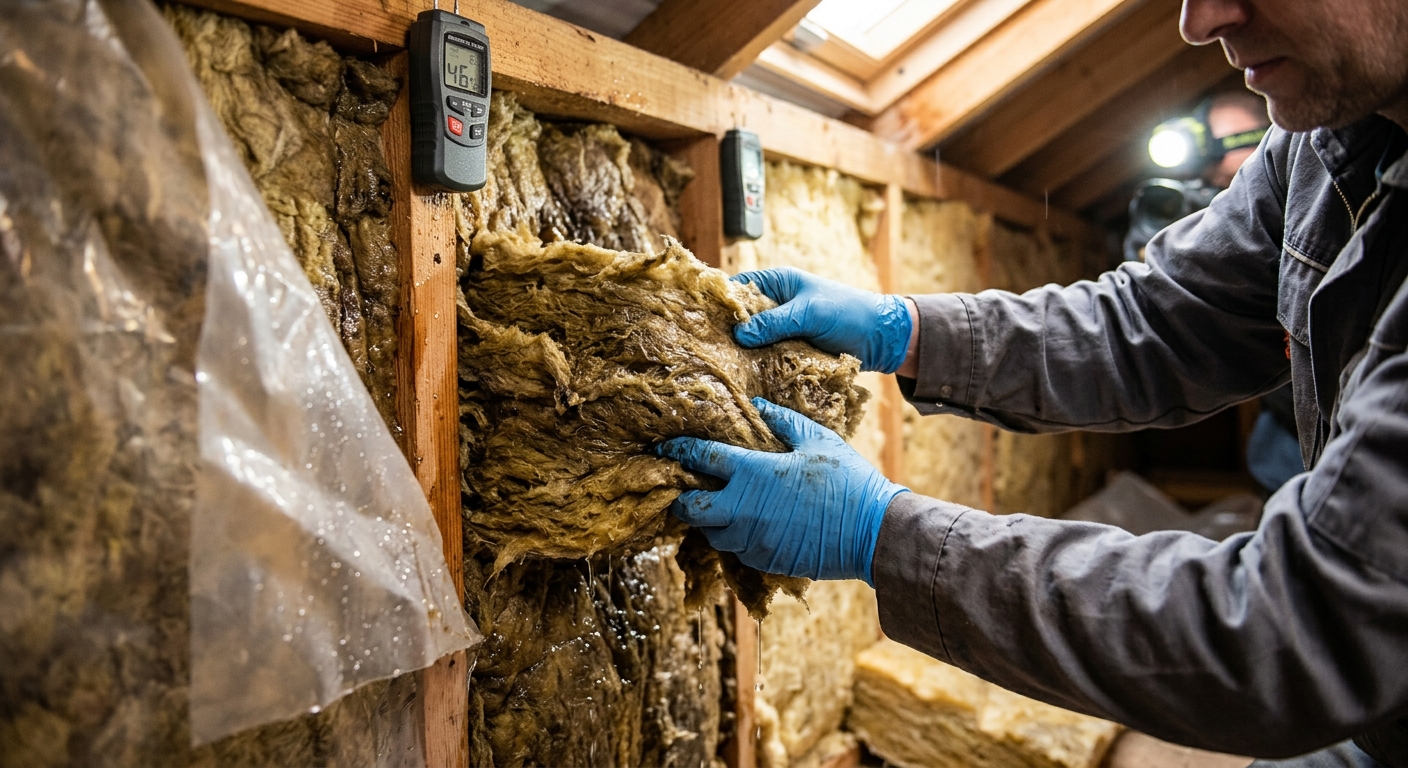
Wet insulation can lose up to 40% of its thermal performance almost immediately, and most homeowners never know until mold, rot, or sky-high energy bills show up. Learn how to spot moisture damage early, what each insulation type does when wet, and how to fix it before a small leak becomes a major renovation.
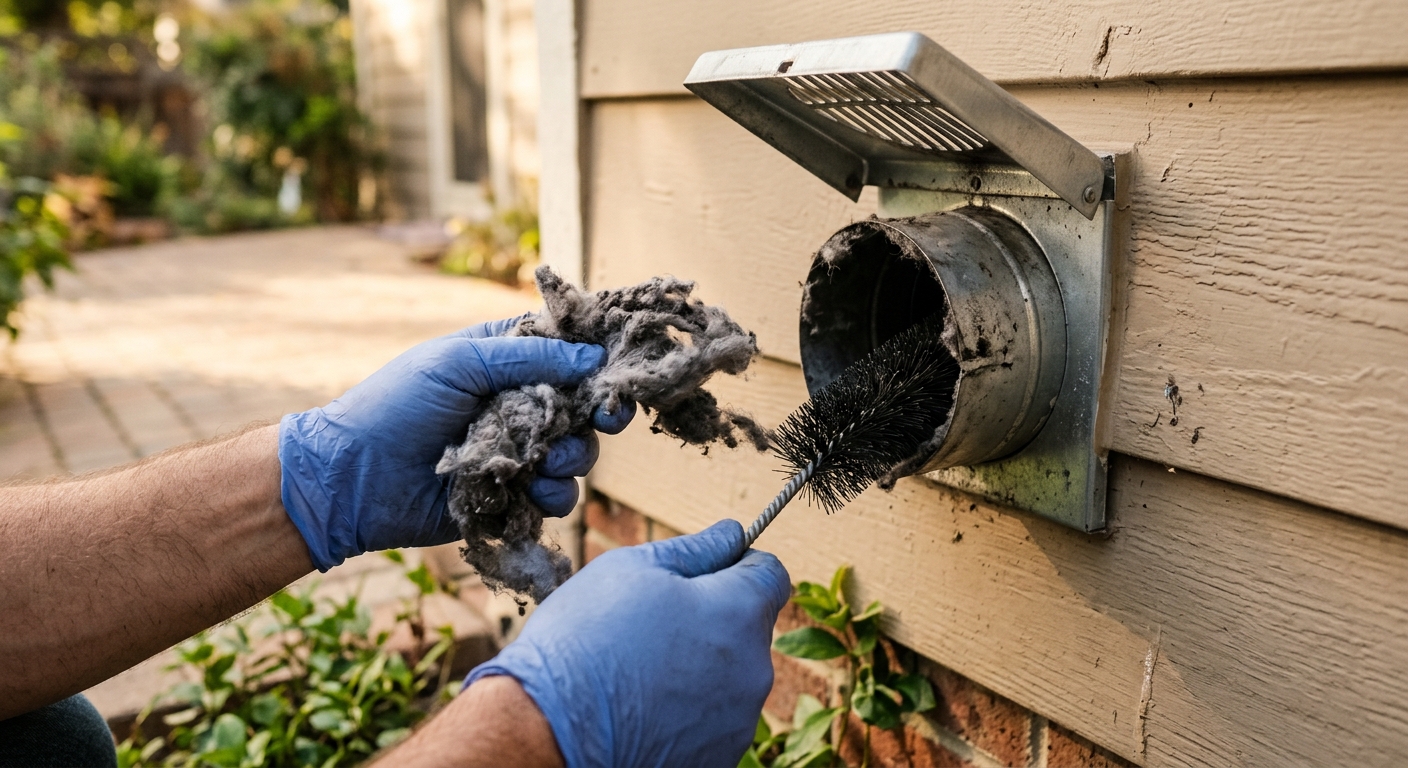
A clogged dryer vent is one of the leading causes of house fires, responsible for over 15,000 fires annually in the US. Cleaning it yourself takes about an hour, can cut drying time by 25 to 40%, and could save you $40 or more per year on energy bills.
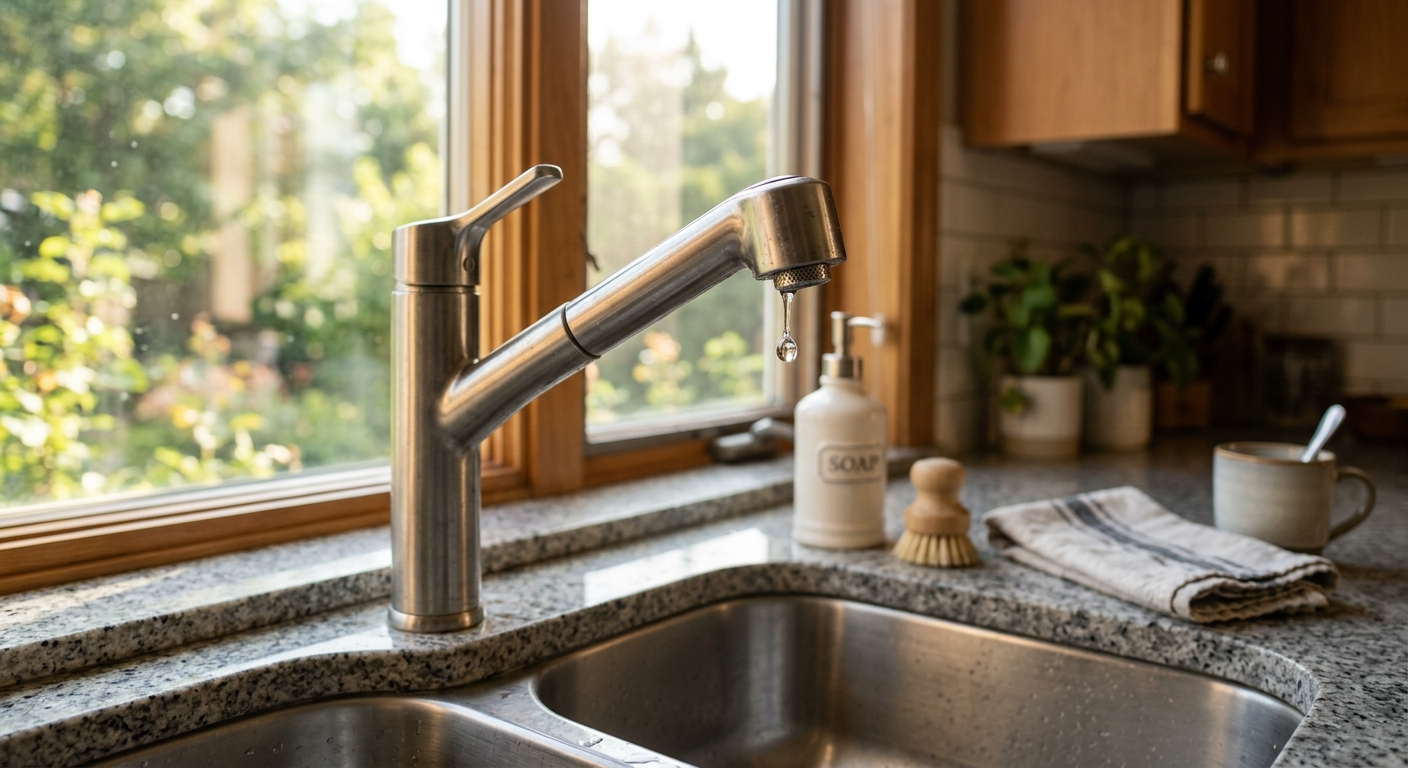
A single dripping faucet can waste over 3,000 gallons of water annually, adding $20 to $35 to your utility bills without a single drop of benefit. The good news is that most faucet leaks are a straightforward DIY fix that costs under $15 and takes less than an hour.
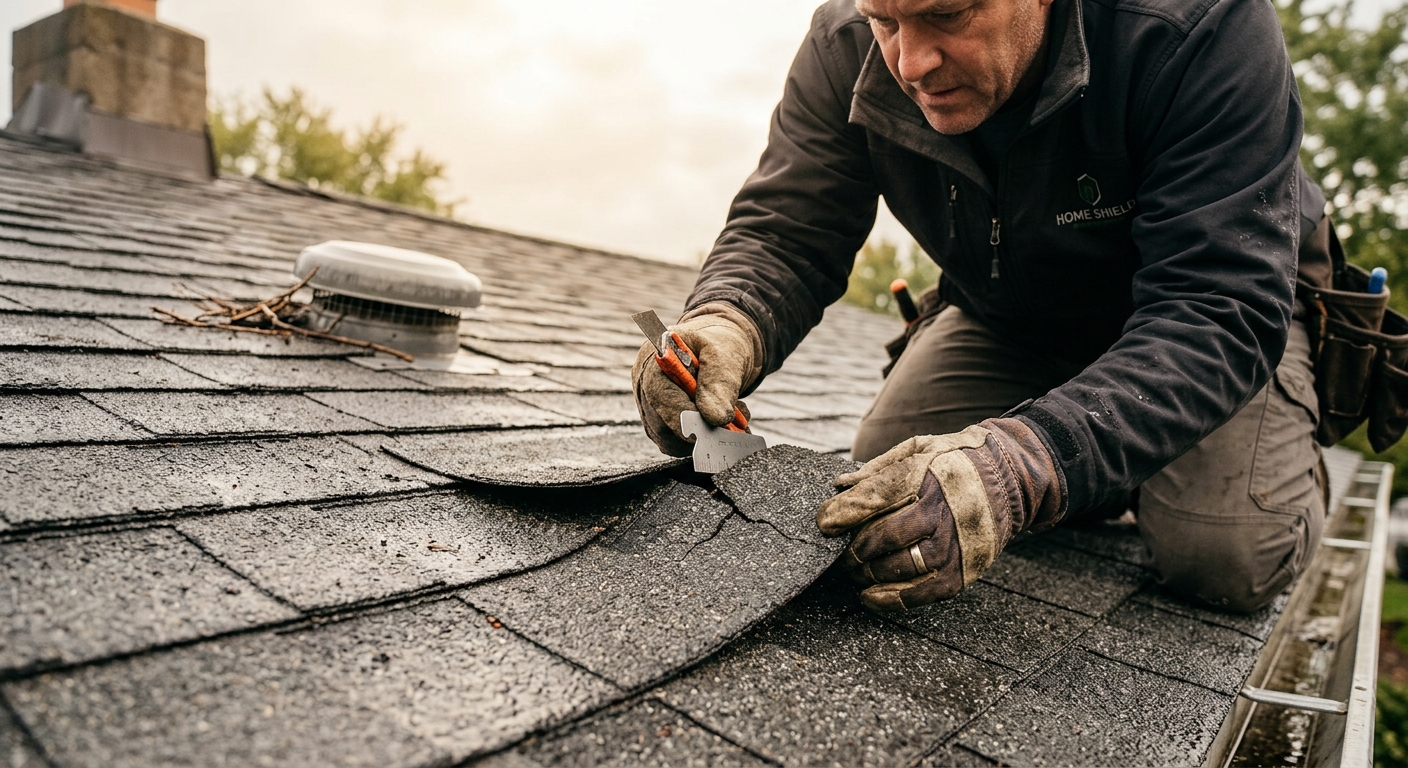
After a major storm, hidden roof damage can silently drive up energy bills and lead to costly structural repairs if left unchecked. A methodical 30-minute inspection, done safely from the ground and inside your attic, can catch problems early and potentially save you thousands in repair costs.
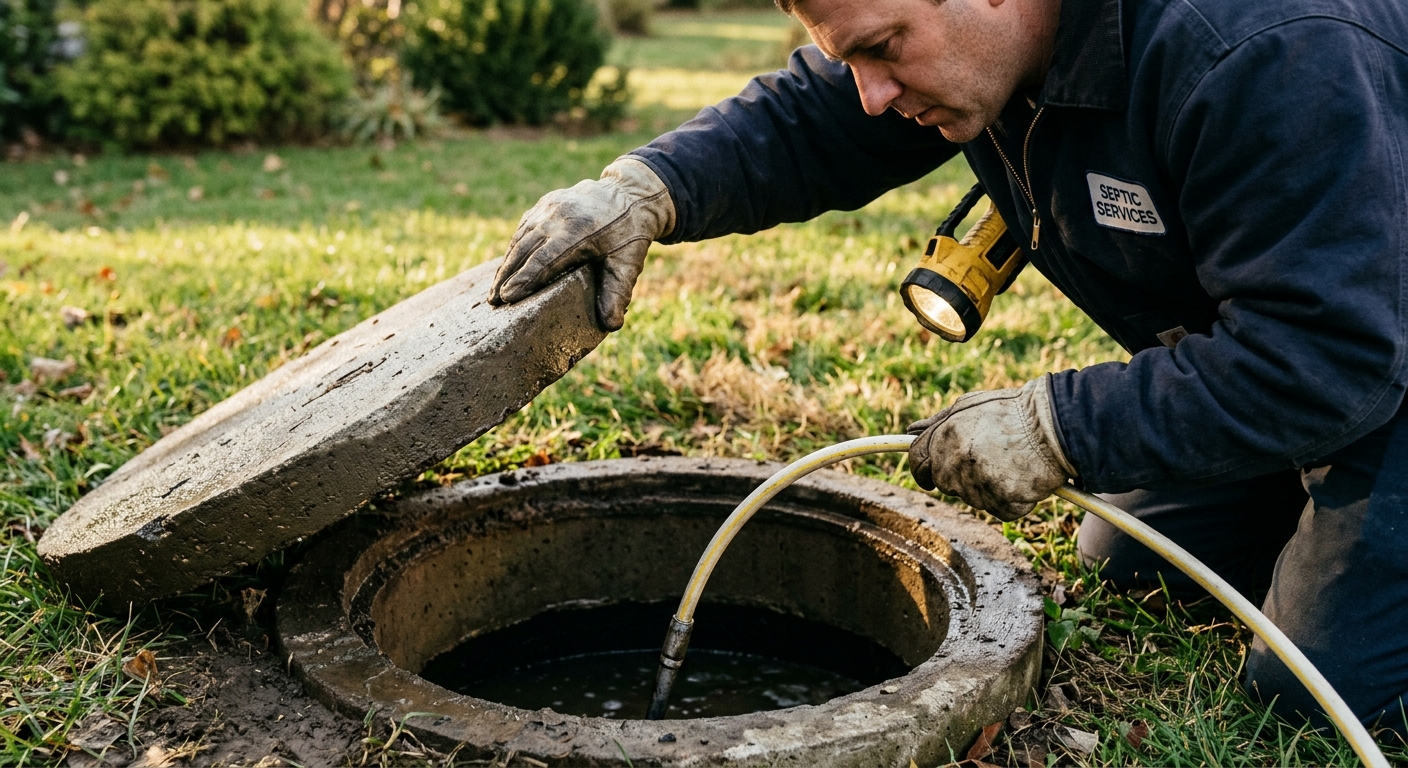
A failing septic system can cost $10,000 to $30,000 to replace, and most failures are entirely preventable. This guide gives homeowners a clear, science-backed maintenance plan to protect their system and avoid the biggest mistakes that lead to costly repairs.
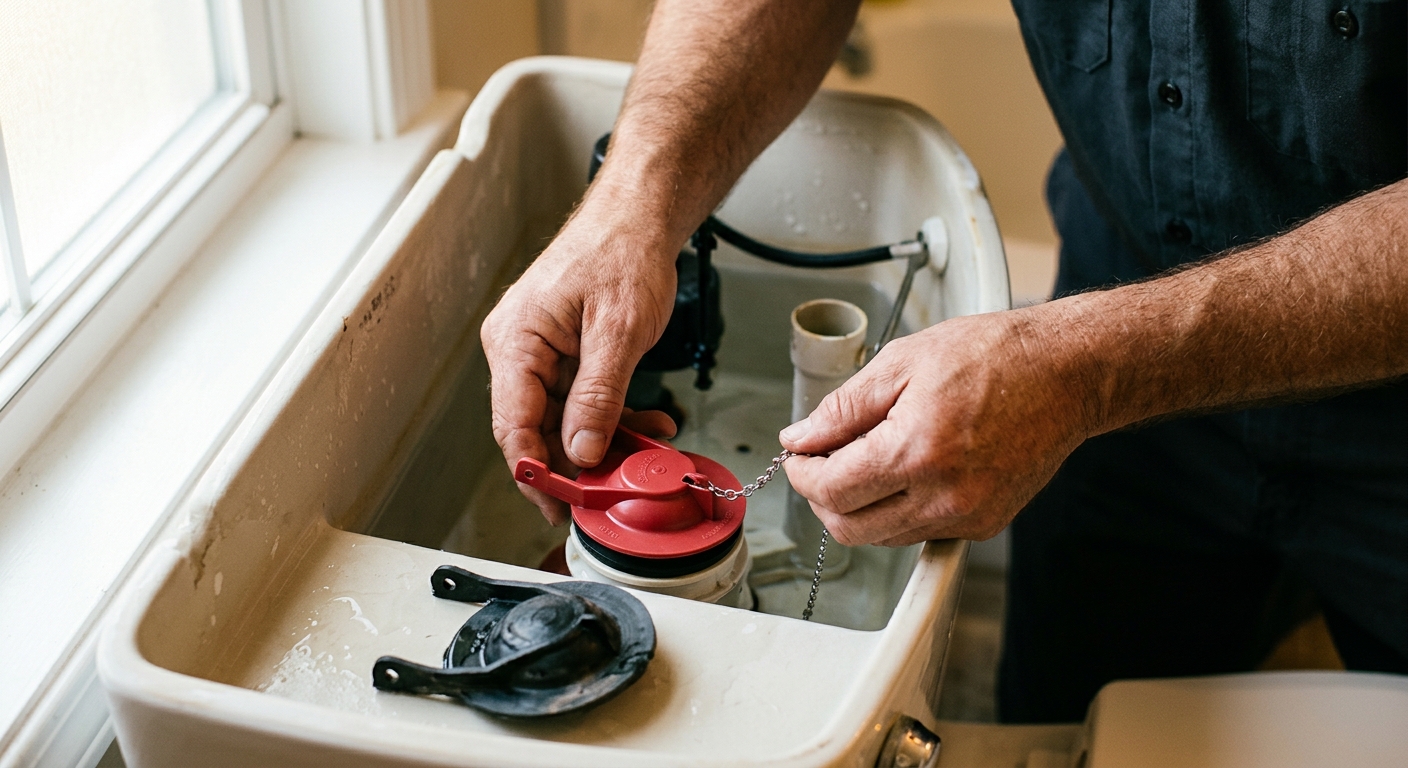
A silently leaking toilet flapper can waste 200 gallons of water per day without a single visible drip. Catching and fixing this common problem takes less than an hour and pays for itself in the first month.