If you had to pick one spot in your home where money is quietly bleeding out every single month, it would almost certainly be your attic. During summer, attic air temperatures routinely hit 140 to 160 degrees Fahrenheit in hot climates, and that furnace-like heat radiates directly down through your ceiling into your living spaces. In winter, the same attic becomes a cold sink that pulls warmth up and out of your home around the clock. Your HVAC system runs longer, works harder, and costs more, all because of what’s happening above your head.
The numbers are sobering. According to the U.S. Department of Energy, heating and cooling account for roughly 50 to 70 percent of the average home’s energy use. The EPA estimates that homeowners who properly air seal and insulate their attics save an average of 15 percent on total energy costs, which translates to $200 to $600 per year for a typical single-family home. Yet most attics are dramatically under-insulated and riddled with air leaks that send conditioned air straight to the outdoors.
This post breaks down exactly why your attic matters so much, what’s likely going wrong up there right now, and how to fix it, whether you want a free first step you can do today or a full professional upgrade that pays for itself in under four years. We’ll cover the building science, the real costs, the DIY options, and the situations where you should absolutely call in a pro.
What You’ll Need
Click on an item below to shop for the recommended items for this recipe on Amazon.
As an Amazon Associate, we earn from qualifying purchases.
How to Do It
- Pull down your attic access hatch and inspect the back of it. If there is no insulation glued or stapled to the hatch panel, cut a piece of rigid foam board (R-10 or higher) to fit and attach it with construction adhesive. This one step alone can cut attic air leakage noticeably since the hatch is typically one of the largest uninsulated openings in the ceiling.
- While standing in the attic, shine a flashlight along the top plates of interior walls where they meet the attic floor. These gaps are major air leak sites. Use a can of low-expanding spray foam to seal any gaps you can see or feel air moving through.
- Look for recessed light cans that poke up through the attic floor. Older, non-IC-rated cans must not be covered with insulation directly, but you can purchase an attic tent or a rigid foam cap to seal around them and block airflow while maintaining the required clearance.
- Check where plumbing vents, electrical wires, and flue pipes penetrate the ceiling. Use fire-rated caulk around plumbing and wiring penetrations, and use high-temperature caulk or sheet metal flashing sealed with furnace cement around any metal flue pipes.
- Weatherstrip the perimeter of the attic access hatch door or panel so it closes against a continuous gasket. A simple self-adhesive foam tape from any hardware store costs under $5 and takes five minutes to apply.
- Before adding any insulation, complete all air sealing from the Quick Fix approach above. Adding insulation over unsealed air leaks is the most common DIY mistake and dramatically reduces the return on your investment.
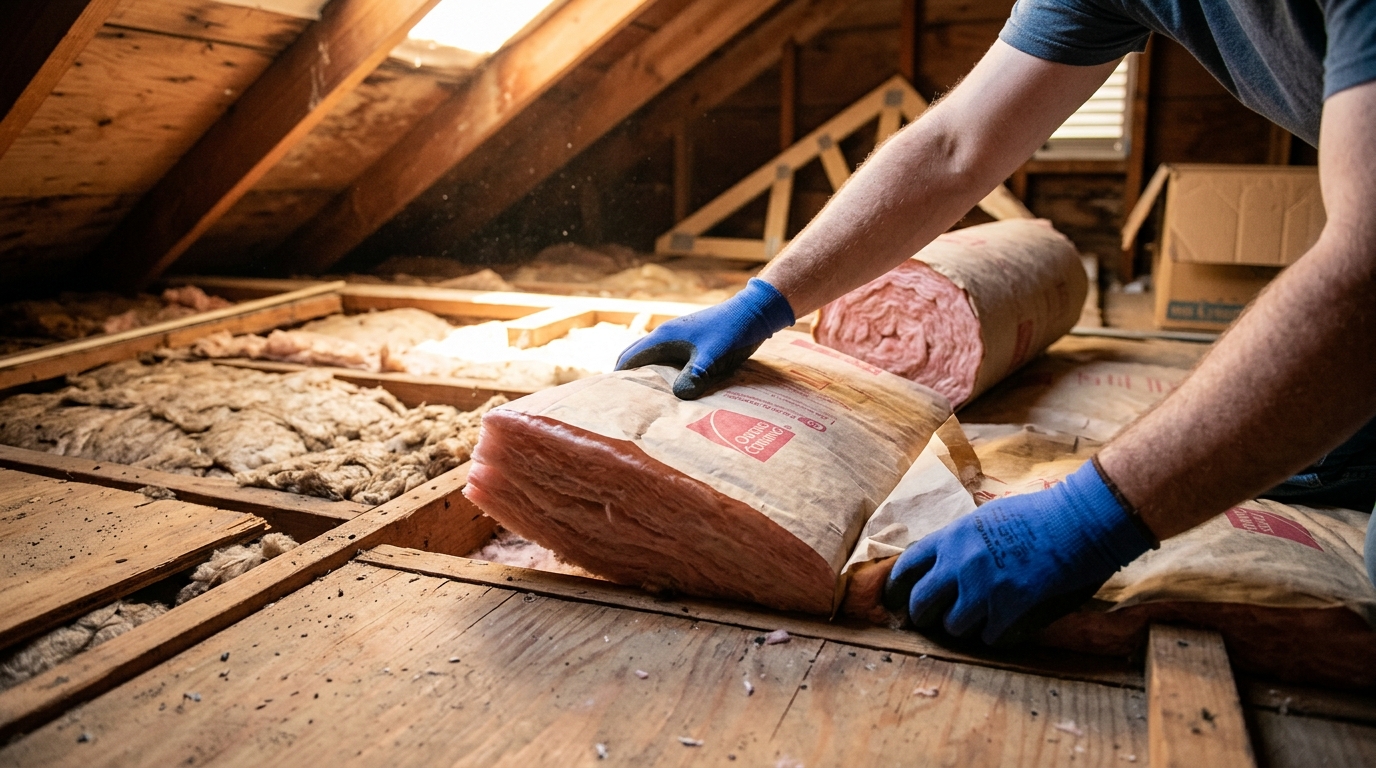
- Measure your existing insulation depth with a ruler or tape measure. Most climate zones require a finished depth of R-38 to R-60 (roughly 10 to 16 inches of blown fiberglass or cellulose). Subtract your current depth to determine how many inches you need to add.
- Calculate your square footage and use the bag coverage chart on the insulation packaging to determine how many bags to purchase. Add 10 percent as a buffer. For a 1,500 square foot attic going from R-11 to R-38, expect to use 20 to 30 bags of blown cellulose.
- Install or verify that your attic ventilation baffles (also called rafter vents) are in place at each eave. These cardboard or foam channels keep the soffit vents clear and must not be covered with insulation. If they are missing, install them before blowing insulation.
- Set up the blower machine at the attic access point and run the flex hose into the attic space. Work from the far corners toward the hatch, moving backward so you are never walking on fresh insulation. Maintain a consistent depth using depth markers you can make from paint sticks stapled to joists.
- After completing the job, re-insulate the attic hatch panel to match the new attic R-value, and install a self-closing hatch cover if possible to maintain the air barrier every time the hatch is opened.
- Hire a certified energy auditor (look for BPI or RESNET credentials) to perform a blower door test. This pressurizes your home and precisely locates every significant air leak using a smoke pencil or thermal camera, giving you a prioritized list of improvements before any money is spent on materials.
- Have the auditor or a weatherization contractor use two-part spray foam to seal all major bypasses identified in the audit: top plates, dropped soffits, chases for plumbing and electrical, and any HVAC penetrations. Professional spray foam sealing is far more thorough than DIY caulk and foam for large or irregular gaps.
- If ductwork runs through the attic, have ducts professionally sealed with mastic (not duct tape, which fails over time) and wrapped with at least R-8 duct insulation. This step alone can recover 20 to 30 percent of conditioned air that was previously lost to the attic space.
- Once all air sealing and duct work is complete, have the contractor blow in insulation to meet or exceed your climate zone target. Many contractors use dense-pack cellulose, which also adds some air resistance on top of its insulating value.
- Request a post-installation blower door test to verify the air sealing was effective and document the improvement. This report is useful for utility rebate applications and for any future home sale where energy efficiency is a selling point.
Why It Works: The Benefits
Properly air sealing and insulating an attic to current DOE recommendations (R-38 to R-60 depending on climate zone) saves the average homeowner $200 to $600 per year on heating and cooling, with homes in extreme climates seeing savings at the higher end of that range.
Reducing heat transfer through the ceiling eliminates hot spots in upstairs rooms during summer and cold floors near exterior walls in winter, making your living space feel noticeably more comfortable without touching the thermostat.
When your attic is properly sealed and insulated, your air conditioner and furnace run shorter cycles to maintain setpoint temperatures. Fewer run hours mean less mechanical wear, extending equipment life by several years and reducing repair costs.
Sealing attic bypasses stops the stack effect from pulling dusty, moldy, or pest-contaminated attic air down into your living space through ceiling gaps, which can meaningfully improve air quality for occupants with allergies or asthma.
Energy audits are increasingly common in real estate transactions. Homes with documented attic insulation at or above code and properly sealed air barriers consistently appraise higher and sell faster than comparable homes with older, inadequate attic performance.
💰 Savings Impact by Action
Sealing attic bypasses and penetrations reduces whole-home air infiltration by up to 20 percent, directly cutting heating and cooling loads.
Bringing attic insulation from a typical existing R-11 up to a code-recommended R-38 reduces ceiling heat transfer by 15 to 25 percent annually.
Sealing and insulating leaky attic ductwork recovers 20 to 30 percent of conditioned air that would otherwise be lost to the unconditioned attic space.
Adding a reflective radiant barrier to roof rafters in hot climates reduces summer cooling loads by 5 to 10 percent by reflecting solar infrared energy.
Insulating and weatherstripping the attic access hatch eliminates one of the largest single air leakage points in the ceiling assembly for under $30.
🏠 Key Concepts Explained
The Science Behind It
Heat always moves from warm areas to cool areas through three mechanisms: conduction (direct contact), convection (air movement), and radiation (infrared energy transfer through space). Your attic is a battlefield for all three. In summer, the sun heats your roof deck through radiation, that heat conducts through the sheathing into the attic air, and the hot attic air convects against your ceiling, driving heat downward into your home. Insulation resists conductive and convective heat transfer, which is why its performance is measured in R-value, the resistance to heat flow per inch of material thickness.
But here is what many homeowners do not realize: insulation is not an air barrier. Fluffy fiberglass batts or loose-blown cellulose can have excellent R-values on paper, yet allow significant air movement through and around them. When warm interior air finds a gap around a recessed light or a wire penetration, it carries heat energy with it directly into the attic in a process called air infiltration. This bypasses the insulation entirely and is why homes can have 10 or 12 inches of insulation yet still feel drafty and expensive to heat. The stack effect amplifies this in winter: as warm air rises and escapes at the top of the house, it creates a slight negative pressure at lower levels that draws cold outdoor air in through foundation cracks and lower-floor gaps, creating a continuous chimney effect that your furnace must constantly fight.
Radiant heat transfer from the superheated attic air to your ceiling surface is a second major mechanism. Even with good insulation, a 150-degree attic radiates significant thermal energy downward. This is why radiant barriers (reflective foil installed on the underside of the roof rafters) can reduce cooling loads by 5 to 10 percent in hot climates by reflecting infrared energy back upward before it ever reaches the insulation layer. Together, comprehensive air sealing and adequate insulation address all three heat transfer pathways simultaneously, which is why a properly addressed attic can cut energy bills far more dramatically than upgrading windows or doors at a fraction of the cost.
Frequently Asked Questions
▼ I added insulation last year but my upstairs is still way too hot in summer. What am I missing?
The most likely culprits are unsealed air bypasses (which let hot attic air circumvent your insulation entirely) or leaky attic ductwork losing conditioned air before it reaches upstairs rooms. Start by checking whether your HVAC ducts run through the attic and whether they are insulated and sealed with mastic. Then go back and look for gaps around recessed lights, top plates, and the attic hatch. Insulation alone without air sealing frequently disappoints homeowners.
▼ How do I know what R-value my existing attic insulation has?
Measure the depth of your insulation in inches with a ruler. Loose fiberglass runs about R-2.5 per inch, blown cellulose about R-3.5 per inch, and fiberglass batts about R-3.1 per inch. Multiply the depth by the applicable rate to estimate your current total R-value. Keep in mind that old, compressed, or moisture-damaged insulation performs below these numbers, so if it looks matted or thin, assume you are at the lower end.
▼ My energy bills are high but I can’t see any obvious problems in the attic. Should I bother with a professional audit?
Yes, especially if your bills seem high relative to your home’s size and age. A blower door test performed by a certified energy auditor will reveal leaks that are completely invisible to the naked eye, including gaps inside wall cavities, at the top of partition walls, and around recessed fixtures. The test typically costs $150 to $400, and many utilities subsidize or fully cover the cost. The auditor’s report will prioritize exactly which improvements give you the best return for your specific home.
▼ Can I just put a radiant barrier up myself instead of adding more insulation?
A radiant barrier is a useful supplement in hot climates but is not a substitute for adequate insulation. Radiant barriers work by reflecting infrared radiation and are most effective when installed on the underside of roof rafters with an air gap facing downward. DIY installation is feasible but the material (typically foil-faced bubble wrap or foil-faced rigid board) can be awkward in a confined attic space. Expect a 5 to 10 percent cooling bill reduction in hot climates, which is meaningful but less impactful than bringing your insulation up to the recommended R-value.
▼ My attic has vermiculite-looking gray pebbles as insulation. Is that dangerous?
Possibly. Vermiculite insulation, common in homes built between 1920 and 1990, may contain asbestos depending on its source. Do not disturb it, vacuum it, or install anything over it until you have had a sample tested by a certified asbestos inspector. Testing typically costs $25 to $75 per sample. If asbestos is confirmed, removal must be done by a licensed abatement contractor, and many state programs offer financial assistance for this specific situation.
Quick Tips
- Check your attic insulation depth right now with a simple ruler. If you have less than 10 inches of any insulation type, you are almost certainly undershooting your climate zone target by a significant margin.
- Do your attic work in fall or early spring when temperatures are bearable. Summer attics can reach dangerous heat levels that create a genuine health hazard within minutes.
- Take photos of all your air sealing work before covering it with insulation. These photos serve as proof of work for utility rebates and are useful documentation if you ever sell the home.
- Look up your address in the DOE’s ZIP code insulation calculator at energy.gov to get the exact R-value target for your specific climate zone rather than using a generic national number.
Variations for Your Situation
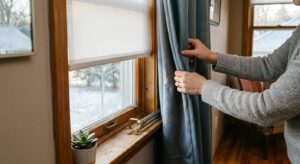
- Apartment or Condo: Renters and condo owners rarely have attic access or control over building insulation, but you can still reduce ceiling heat gain by using insulating window coverings to block solar heat from driving up indoor temperatures, running ceiling fans in the correct summer direction (counterclockwise when viewed from below) to create a wind-chill effect, and placing a draft blocker at the base of any door that leads to an unconditioned space. Talk to your landlord or HOA about scheduling an energy audit since the savings benefit them through lower maintenance costs and tenant retention.
- Tight Budget (under $50): Focus entirely on the three highest-return zero-to-low-cost actions. First, add weatherstripping to your attic hatch for under $5 and glue a piece of rigid foam board to the back of the hatch panel for another $10 to $15. Second, buy one can of low-expanding spray foam ($8 to $12) and seal as many visible top-plate gaps and penetrations as you can reach without moving insulation. Third, check whether your utility offers free or subsidized weatherization services, as many do for qualifying income levels. These three steps combined can reduce attic air leakage by 10 to 15 percent for under $40 total.
- Older Home (pre-1980): Pre-1980 construction presents several specific challenges. First, verify the type of existing insulation before disturbing it (see the vermiculite note above). Second, these homes frequently have knob-and-tube wiring in the attic, which must not be covered with insulation until a licensed electrician confirms it is safe to do so. Third, older homes rely more heavily on air infiltration for ventilation since they lack modern mechanical ventilation systems, so aggressive air sealing should be paired with a mechanical fresh-air strategy (such as a spot ERV or HRV) to avoid indoor air quality problems. Budget an additional $200 to $500 for a professional assessment before beginning any significant attic work in a pre-1980 home.