Most of us set the bedroom thermostat for ourselves: a cool 65 degrees, a heavy comforter, done. But a baby’s body is a different machine. Infants have a larger surface area relative to their weight, thin skin, and an immature system for shedding or retaining heat. They cannot kick off a blanket, tell you they are cold, or sweat efficiently. A room that feels perfect to you can be uncomfortable or even risky for them.
Toddlers add a new twist. They move around, kick off covers, climb out of bed, and often sleep in a different room than infants. Their needs shift as they grow, which means the ‘set it and forget it’ nursery temperature from month two may be wrong by month eighteen. Meanwhile, many parents overcompensate by heating the whole house all night, which burns energy without actually solving the problem.
This post breaks down why little ones need different nighttime temperature rules, what range to aim for, and how to hit it efficiently. You will get a quick fix you can do tonight, a DIY upgrade for tighter control, and the building science behind why a stable room beats a high thermostat. As always, follow your pediatrician’s guidance on sleep safety, since this post covers home comfort and energy, not medical advice.
What You’ll Need
Click on an item below to shop for the recommended items for this recipe on Amazon.
As an Amazon Associate, we earn from qualifying purchases.
How to Do It
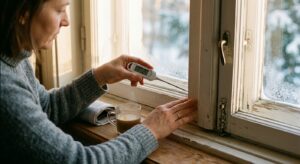
- Place a simple digital room thermometer near the crib, at about mattress height but out of baby’s reach, and read it for a full night to see the real temperature.
- Aim for a steady 68 to 72 degrees at crib level, adjusting the thermostat by 1 to 2 degrees at a time and waiting an hour before judging the result.
- Choose sleepwear and a wearable blanket rated for the room temperature instead of raising the house setpoint, using the manufacturer’s TOG chart as a guide.
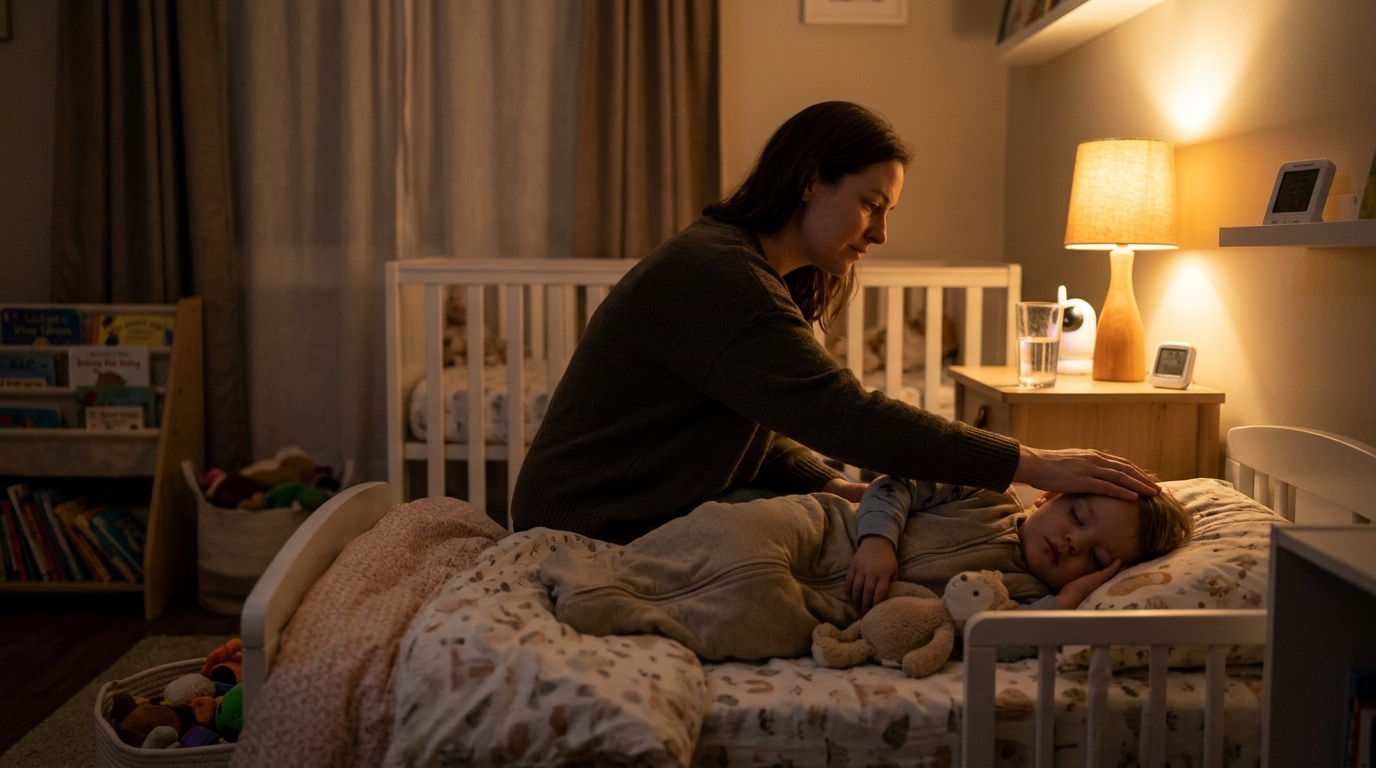
- Check your child’s chest or back of the neck (not hands or feet) for warmth; if it feels sweaty or clammy, remove a layer rather than lowering the whole house.
- Move the crib at least 2 to 3 feet away from exterior walls, windows, and vents to cut radiant chill and direct airflow.
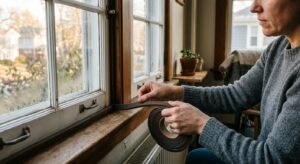
- Seal drafts around the nursery’s windows and door using weatherstripping and removable rope caulk, which cuts leakage and cold spots near the crib.
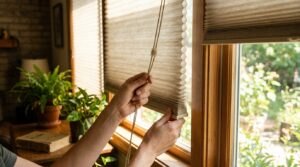
- Add a thermal curtain or cellular shade on any exterior window; a quality insulated shade can reduce window heat loss by 20 to 40%.
- Install a smart thermostat or a room-level smart vent or sensor so the nursery’s temperature, not the hallway’s, drives the system.
- Set a gentle overnight schedule that holds the nursery steady, avoiding setbacks larger than 2 degrees while keeping the rest of the house at its normal efficient setpoint.
- Add a small, safe, thermostatically controlled option such as a properly rated oil-filled radiator or a ceiling fan on low if the room runs consistently cold or warm, following all manufacturer safety guidance and keeping cords and heaters well away from the crib.
Why It Works: The Benefits
Holding a nursery in the commonly recommended 68 to 72 degree range avoids the overheating and chilling extremes that disrupt infant sleep.
Dressing a child in the right layers lets you avoid raising the whole house setpoint, and every degree of heating setback or cooling setup saves roughly 1 to 3% on that system’s use.
A stable room with no drafts or sudden HVAC swings means fewer disruptions for baby and for you, which is a comfort win no utility bill captures.
Sealing drafts and addressing cold windows can cut the temperature difference between the crib and the thermostat from 4 to 6 degrees down to 1 to 2.
A monitored, adjustable setup lets you shift the room as your child moves from newborn to toddler without re-doing your whole HVAC strategy.
💰 Savings Impact by Action
Dressing the child instead of raising the setpoint avoids the 1 to 3% per degree penalty on nighttime heating.
Sealing gaps around the nursery door and windows can cut conditioned air loss in that room by up to 15%.
Insulated shades or thermal curtains can reduce window heat loss by 20 to 40% in the room.
Letting the nursery drive its own temperature while the rest of the house setbacks saves roughly 5 to 10% on overnight use.
🏠 Key Concepts Explained
The Science Behind It
Heat moves three ways: conduction, convection, and radiation. A baby sleeping in a cool room loses heat to the surrounding air by convection and to cold walls and windows by radiation. Because infants have roughly three times the surface area per pound of body weight compared to an adult, they lose and gain heat much faster, and their ability to compensate through shivering or sweating is limited. That is why the air temperature, the surface temperatures around the crib, and the baby’s clothing all matter together.
This is also why a stable room beats a hot one. Cranking the thermostat to 76 degrees overnight forces your furnace or heat pump to work harder and raises the heat loss through every wall and window, with each degree of setpoint increase adding roughly 1 to 3% to heating costs. Dressing the child appropriately keeps the benefit exactly where it is needed. Meanwhile, sealing drafts and insulating windows raises the surface temperatures near the crib, which makes the same air temperature feel and function warmer without extra energy.
Toddlers shift the equation again. They have more muscle mass, are more active, and tend to kick off covers, so they often sleep comfortably toward the cooler end of the safe range with layered sleepwear. Because their needs change with age and season, a monitored, adjustable setup serves you far better than a single fixed thermostat setting.
Frequently Asked Questions
▼ Why does my baby’s room feel colder or warmer than the rest of the house?
Nurseries on exterior walls, above garages, or at the end of a duct run often differ by 4 to 6 degrees from the thermostat location. Place a thermometer at crib height, then seal drafts, add insulated window coverings, and ask an HVAC pro to check airflow to that room if the gap persists.
▼ Do toddlers need a different temperature than newborns?
Generally the same 68 to 72 degree range works for both, but toddlers move more and often kick off covers, so they may do better with layered pajamas at the cooler end. Check their chest or neck for warmth and adjust clothing rather than the whole house setpoint.
▼ Can I still use a nighttime thermostat setback with a baby in the house?
Yes, but keep the nursery stable, with no more than a 2 degree swing, and let the rest of the house setback normally. A smart sensor or zoned vent lets the nursery drive the temperature while the other rooms save energy.
▼ How long before I notice savings on my bill?
The quick fix saves immediately because you avoid raising the setpoint, though the dollar amount is modest. DIY sealing and window upgrades typically show up within one to two billing cycles and pay back in 6 to 12 months.
▼ What if my home is older than 30 years?
Older homes usually have more drafts and weaker insulation, so the crib area can be noticeably colder than the thermostat suggests. Prioritize air sealing and window treatments first, since they raise comfort and cut energy at the same time.
Quick Tips
- Check the crib-level temperature for three nights before changing anything, since one reading can be misleading.
- Use a wearable blanket or sleep sack sized for the room temperature instead of loose blankets.
- Run a ceiling fan on low in summer for gentle air movement, but keep it from blowing directly on the crib.
- Reassess the room every season and again at each major growth stage, since a winter setup will not suit July.
Variations for Your Situation
- Apartment/Rental: You likely cannot change the central system, so use a room thermometer, removable window film or thermal curtains ($20 to $60), draft-stopping door sweeps, and wearable sleep sacks to adjust comfort without any permanent changes.
- Tight Budget (under $50): Buy a $10 to $15 digital thermometer, move the crib away from exterior walls and vents, add a rolled towel or draft stopper at the door, and use layered sleepwear. These steps deliver most of the comfort benefit at almost no cost.
- Older Home (pre-1980): Expect colder walls and leaky windows, so start with weatherstripping and rope caulk ($15 to $40) and consider insulated cellular shades. If the nursery is still off by more than 4 degrees, have the ducts or insulation evaluated by a professional.
- Multi-Level Home: Heat rises, so an upstairs nursery often runs warmer in summer and a basement-level one runs colder in winter. Use a room sensor and adjust vents seasonally to balance the floors.