On a hot summer evening, the instinct is to throw open a window, set a fan in it, and hope for the best. The result is usually disappointing: the room feels a little breezy but the house stays stuffy, and by morning the walls and furniture are still radiating stored heat. The problem is not the fan. It is where the fan sits and which windows are open around it.
Night ventilation works when you create a deliberate airflow path. A fan facing outward pulls warm indoor air out, and that exhausted air has to be replaced from somewhere. If you do not control where the replacement air enters, the fan pulls it from attic hatches, garage doors, or the narrow gaps around the same window it is sitting in, none of which help. Done correctly, the fan draws cool outdoor air through a chosen intake window, sweeps it across the living space, and pushes the heat out the other side.
This post covers the exact placement that works, how to set it up in about 15 minutes with equipment you probably own, a more permanent DIY upgrade for homeowners who want better results, and the science of why the cool-air-in, hot-air-out pattern wins. You will also find troubleshooting for the common reasons it fails and variations for apartments, tight budgets, and older homes.
What You’ll Need
Click on an item below to shop for the recommended items for this recipe on Amazon.
As an Amazon Associate, we earn from qualifying purchases.
How to Do It
- Wait until the outdoor temperature drops below the indoor temperature by at least 5 degrees, usually after sunset.
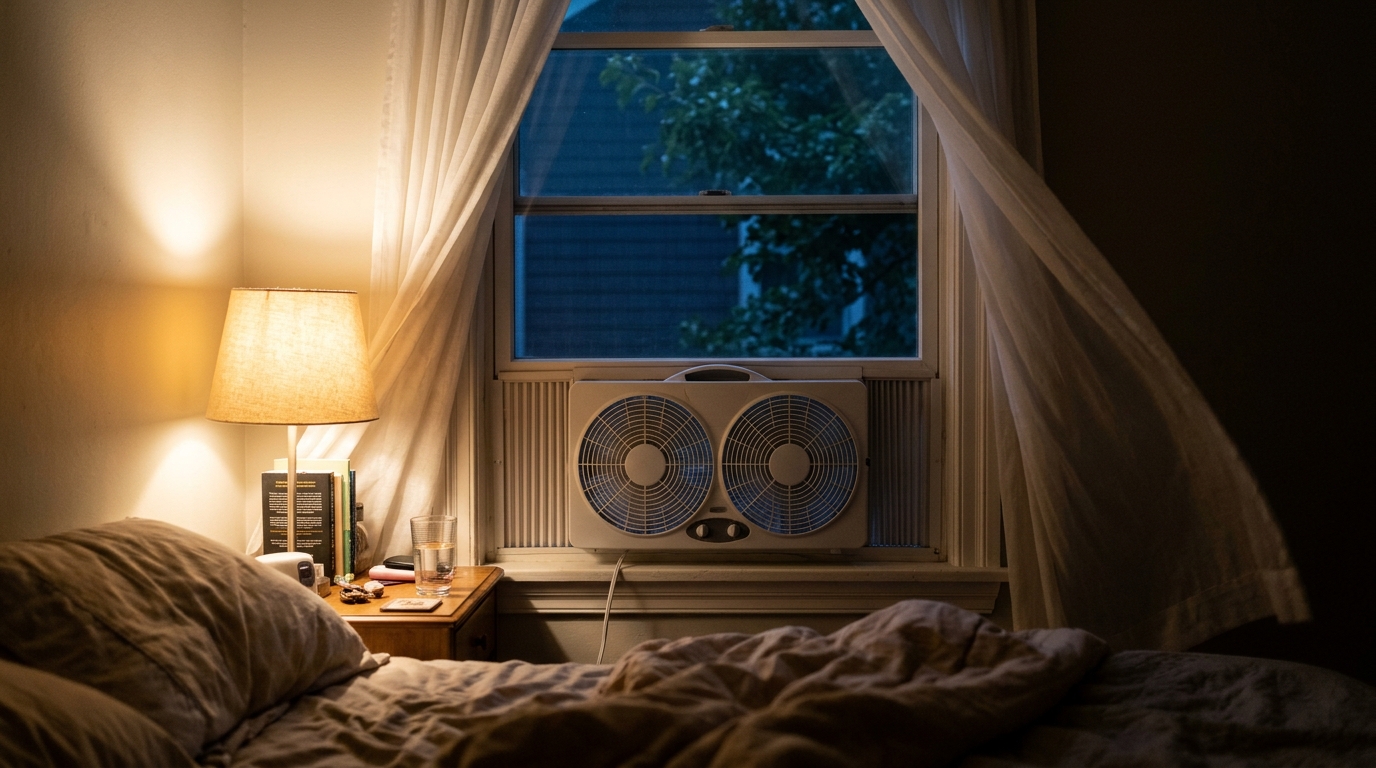
- Choose the hottest, highest-traffic room or the upstairs window on the leeward (downwind) side of the house, and place a box fan in it facing OUTWARD so the airflow arrow points outside.
- Open one or two windows on the opposite, cooler side of the house, ideally the shadier or north/east side, and on the same floor or lower so cool air is drawn through the home.
- Open interior doors along the path between the intake window and the fan so air can flow freely, and close doors to rooms you do not want to cool.
- Run the fan on medium or high overnight, then shut every window and close blinds by mid-morning when the outdoor air becomes warmer than indoors.
- Measure the open dimensions of your window and cut a piece of 1/2 inch foam board or rigid insulation to fill the gap above the lower sash, leaving a hole sized to your fan frame.
- Seat a 20-inch box fan, or a purpose-built window fan with weather-resistant housing, in the opening and seal the edges with foam weatherstrip tape so no exhaust air leaks back inside.
- Install a window screen or insect mesh on the intake windows to keep bugs out while allowing full airflow.
- Plug the fan into a heavy-duty outdoor-rated timer or a smart plug so it starts automatically in the evening and shuts off before sunrise.
- Optionally add a second small fan in the intake window pointing inward on low speed to help push cool air deeper into the house.
Why It Works: The Benefits
Pre-cooling the house overnight lets many homeowners delay turning on the AC until mid-afternoon, cutting runtime by roughly 10 to 30% in shoulder-season and mild summer weather.
A properly placed 20-inch box fan moves roughly 2,000 to 2,500 cubic feet per minute, enough to swap the air in a typical 1,500 square foot home several times in a few hours and drop indoor temps 8 to 15 degrees.
Cooler bedroom air in the 60 to 67 degree range is linked to deeper sleep, and a gentle airflow also helps evaporate sweat and keeps you comfortable without a cold blast from the AC.
A box fan draws about 50 to 100 watts, so running it 8 hours costs roughly 5 to 15 cents, compared with $1 or more for a central AC on the same night.
Every hour the compressor does not run extends its life and reduces peak demand, which can also trim costs if your utility uses time-of-use rates.
💰 Savings Impact by Action
Pre-cooling the home overnight can cut afternoon air conditioner runtime by about 20% in mild to moderate climates.
Cooling walls and furniture overnight slows daytime heat gain and shaves roughly 15% off peak cooling demand.
Shutting windows and shades before outdoor air warms up preserves stored coolness and adds about 10% in savings.
Sealing gaps around the fan boosts effective airflow and reduces warm air leaking back in by about 5%.
🏠 Key Concepts Explained
The Science Behind It
Night ventilation works because of two physical principles: pressure-driven airflow and heat transfer from stored mass. When an exhaust fan runs, it creates slightly lower pressure inside the home. Outside air, which is at a higher pressure, flows in through any available opening to equalize it. By choosing which window to leave open, you decide where that cool replacement air enters and how it travels through the house.
The cooling itself is not just about air temperature. During the day, your walls, floors, ceilings, and furniture absorb heat and hold it, a property called thermal mass. At night, if you only move the air briefly, the warm surfaces simply reheat it. Running a fan for several hours flushes the air and gradually draws heat out of the structure, so surfaces cool to near the outdoor temperature. The next day, that cooler mass absorbs incoming heat for hours before the indoor air warms noticeably, delaying or reducing AC use.
The effect is strongest when the nightly temperature swing is large, typically 20 degrees or more between daytime highs and overnight lows, as in dry or high-desert climates. In very humid areas the gain is smaller because the air carries moisture that can make the home feel muggy even when it is cooler. The fan has to remove heat faster than the house gains it, so closing windows and blinds as soon as the sun heats the outdoor air back above the indoor temperature is what locks in the benefit.
Frequently Asked Questions
▼ Why is my AC still running all day even after I tried these fixes?
Night ventilation lowers the starting temperature but cannot offset a very hot afternoon on its own. Make sure you close windows and blinds by mid-morning, and check that the outdoor low actually dropped below your indoor temperature overnight. If it did not, ventilation will not help and the AC will need to carry the load.
▼ Can renters do this without landlord permission?
Yes. A box fan and a few open windows require no modifications, and foam board or weatherstrip tape can be removed without damage. Avoid anything that drills into the frame or leaves permanent adhesive, and check your lease if you want to install a permanent window unit.
▼ How long before I actually notice savings on my bill?
You will feel the cooler morning temperatures the first night, and you should see a reduction in AC runtime within a few days. On your bill the effect typically shows up in the next billing cycle, with savings of roughly 10 to 30% in mild weather and smaller savings during extreme heat waves.
▼ What if my home is older than 30 years?
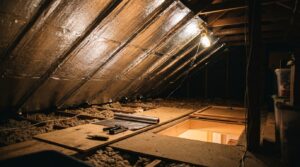
Older homes often have leakier envelopes, which means cool night air flows in more easily but also escapes faster the next day. Focus on sealing obvious gaps and closing the house up tight by mid-morning, and consider adding attic insulation so the cool air stays inside longer.
Quick Tips
- Use a thermometer or a weather app to confirm it is at least 5 degrees cooler outside than inside before turning the fan on, otherwise you may just bring heat in.
- Close all windows, shades, and blinds by mid-morning to trap the cool air and block solar gain, which can reduce afternoon indoor temperature rise by 10 to 20%.
- Keep the exhaust fan in the hottest room or upstairs and open intake windows low and on the shaded side of the house for the strongest airflow.
- Clean the fan blades and grille a few times each season, since dust buildup can reduce airflow by 10% or more.
Variations for Your Situation
- Apartment/Rental: Use a freestanding 20-inch box fan in the hottest window and a cracked window on the opposite wall, which costs $25 to $45 and needs no installation. Add removable foam board around the fan to improve the seal without damaging the frame.
- Tight Budget (under $50): Skip new equipment and use a fan you already own, an existing screen, and cardboard cut to fit around the fan. This setup costs essentially nothing and still captures most of the cooling benefit.
- Older Home (pre-1980): Older double-hung windows and drafty envelopes mean faster air exchange but also faster heat gain the next day, so pair night flushing with weatherstripping ($15 to $30) and closing shades early. If you have a whole-house attic fan, use it with the same intake-window logic and always open attic vents to avoid backdrafting.