Every winter, roughly 250,000 American homes experience burst pipes, according to the Insurance Institute for Business and Home Safety. The average insurance claim tops $5,000, and in severe cases, water damage can reach $70,000 or more when finished basements and flooring are destroyed. The frustrating truth is that most of these disasters are entirely preventable with a few hours of work and less than $100 in materials.
Pipes freeze when the water inside them drops to 32°F (0°C), but the real danger zone is sustained exposure below 20°F (-7°C), especially in unheated spaces like crawl spaces, attics, garages, and exterior walls. When water freezes, it expands with roughly 2,000 pounds per square inch of force, enough to split copper, PVC, and even steel pipes. The pipe may not actually burst until it thaws, which means you might not discover the damage until spring.
This guide covers everything you need to protect your home’s plumbing before the first hard freeze. You will learn which pipes are most vulnerable, how to choose the right insulation, and how to tackle the job yourself or know when to call a professional. Whether you have 20 minutes or a full weekend, there is an approach here that fits your situation.
What You’ll Need
Click on an item below to shop for the recommended items for this recipe on Amazon.
As an Amazon Associate, we earn from qualifying purchases.
How to Do It
- Walk your home and identify all pipes in unheated or semi-heated spaces: the basement near exterior walls, garage, crawl space access points, pipes under bathroom and kitchen sinks on exterior walls, and any pipes running through attic space.
- Purchase pre-slit polyethylene foam pipe insulation at a hardware store. Match the inner diameter to your pipe size (most residential pipes are 1/2 inch or 3/4 inch copper or PVC). Buy foam with a wall thickness of at least 3/8 inch, or 1 inch for crawl spaces and attics.
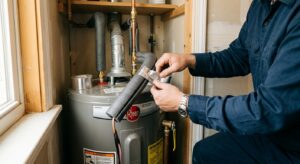
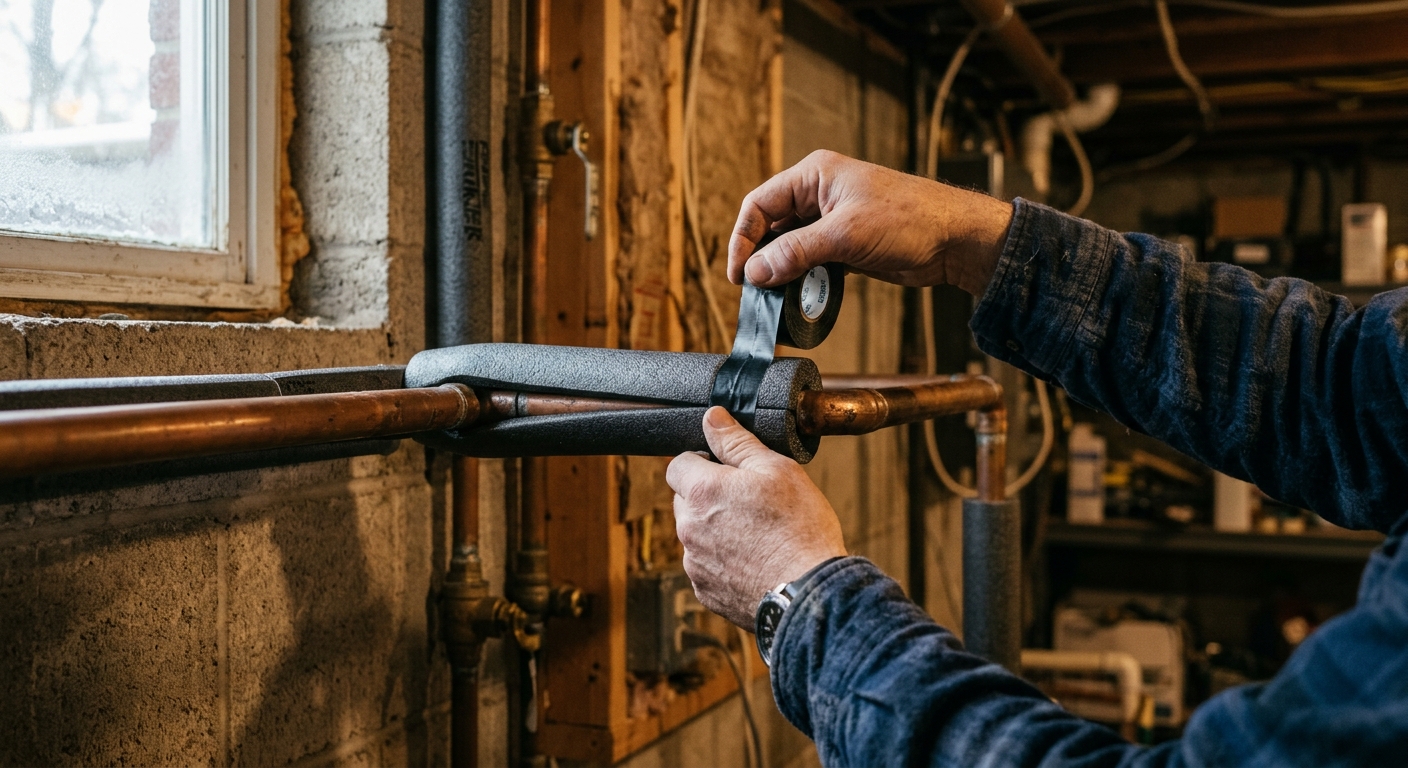
- Wipe each pipe dry with a cloth before applying insulation. Snap the pre-slit foam over the pipe starting at one end and working toward the other, keeping the slit side facing down or away from the coldest air source.
- Seal all seams and butt joints with foil tape or the self-adhesive strip included on premium foam products. Gaps and open ends are where cold air infiltrates and defeats the insulation.
- For pipes under kitchen or bathroom sinks on exterior walls, open the cabinet doors on very cold nights to allow heated indoor air to reach the pipes. This is a free supplemental measure that works alongside the foam wrap.
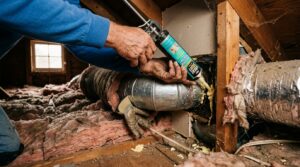
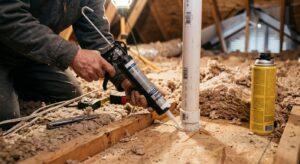
- Check for drafts near where pipes penetrate exterior walls or the foundation sill plate. Seal gaps around pipe penetrations with expanding spray foam, which stops the cold air infiltration that drives freeze risk.
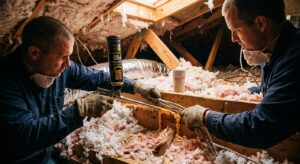
- Put on a respirator, knee pads, and a headlamp before entering the crawl space. Inspect all supply and drain pipes for existing insulation condition, signs of prior freezing (split seams, repairs), and proximity to crawl space vents.
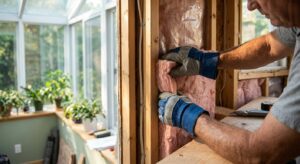
- Temporarily seal crawl space foundation vents from the inside using rigid foam board cut to fit. While building codes historically required vented crawl spaces, modern building science supports sealing and conditioning crawl spaces in cold climates during winter months to protect plumbing.
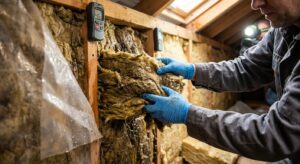
- Install 1-inch wall-thickness foam pipe insulation on all water supply lines in the crawl space. For pipes within 12 inches of an exterior vent or wall, use fiberglass pipe wrap with a foil vapor barrier facing outward, which provides R-4 to R-6 protection.
- For the highest-risk pipes (within 2 feet of exterior foundation walls or directly under an uninsulated floor with no heating below), install self-regulating heat cable rated for pipe freeze protection before applying foam insulation over it. Follow manufacturer instructions for spacing and never overlap the cable.
- Seal all pipe penetrations through the band joist (the framing at the top of the foundation wall) with two-part spray foam. This is one of the most overlooked air leakage points in homes and a primary driver of crawl space freezing.
- Lay 6-mil polyethylene vapor barrier over the crawl space ground, lapping it up the walls and securing it with construction tape. This reduces ground moisture, which lowers the effective temperature in the crawl space and makes insulation more effective.
- Hire an insulation contractor or building performance specialist to conduct a crawl space or attic assessment. Ask specifically about pipe vulnerability and whether your crawl space should be encapsulated rather than vented.
- Request closed-cell spray foam application to the crawl space walls and band joist. Closed-cell spray foam achieves R-6 to R-7 per inch, creates an air and vapor barrier simultaneously, and adds structural rigidity to the rim joist.
- Have the contractor install a complete crawl space encapsulation system including a heavy-duty vapor barrier, rigid foam insulation on walls, and a small conditioned air supply or dehumidifier to keep the space above freezing without direct heating.
- Verify the contractor addresses all pipe penetrations through exterior walls, the foundation sill, and any uninsulated chases where pipes travel through unconditioned zones.
- After work is complete, request a thermal imaging scan of the crawl space and exterior walls to confirm there are no thermal bridges or cold spots remaining around pipe runs.
Why It Works: The Benefits
A single burst pipe can release hundreds of gallons of water per hour. Insurance claims for burst pipe damage average $5,000 to $15,000, with severe cases reaching $70,000. A $30 foam insulation kit can prevent all of it.
Hot water pipes that run through uninsulated crawl spaces or basements lose heat continuously along their length. Insulating hot water pipes reduces heat loss by up to 35% along the pipe run, which can cut water heating costs by 3 to 10% annually depending on pipe length and climate.
Insulated hot water pipes maintain temperature between uses better, so water at the tap reaches your target temperature 2 to 4 times faster. This also reduces the gallons wasted while waiting for hot water to arrive.
Some insurers offer premium discounts of 5 to 15% for homes with documented freeze-prevention measures, including insulated pipes and smart water shutoff valves. Check with your provider before the policy renewal period.
Properly insulated pipes allow you to safely lower your thermostat to 55°F while away for extended periods rather than the commonly recommended 68°F, saving meaningful heating energy without risking a burst pipe claim.
💰 Savings Impact by Action
Insulating hot water pipes reduces heat loss along the pipe run by up to 35%, cutting water heating standby energy waste.
Sealing and insulating a vented crawl space reduces overall home heating loads by an average of 18% in cold climates according to DOE field studies.
Insulated pipes allow a safe setback to 55°F while traveling instead of 68°F, saving up to 10% on heating bills during absence periods.
Insulated hot water pipes deliver hot water faster, reducing the gallons wasted while waiting by up to 20% per fixture use.
Properly insulated and sealed pipes reduce the risk of a freeze event causing a burst by approximately 95% in all but the most extreme prolonged cold.
🏠 Key Concepts Explained
The Science Behind It
Water expands by approximately 9% in volume when it freezes. Inside a rigid pipe, that expansion creates internal pressure of up to 2,000 psi (pounds per square inch), far exceeding the tensile strength of copper (around 300 psi) or PVC (around 400 psi). The split does not always happen at the frozen section. Water pressure transmits through the entire system, so a pipe can burst at a fitting, elbow, or weak point several feet away from where the ice actually forms.
Pipe insulation works by slowing the rate of heat transfer from the water to the surrounding cold air. It does not add heat to the system. This means insulation buys time: on a night that drops to 10°F, an uninsulated pipe in a crawl space might reach freezing in 2 to 4 hours, while a properly insulated pipe in the same location might take 8 to 12 hours or longer. Combined with a sealed crawl space that stays 15 to 20 degrees warmer than outdoor temperatures due to ground heat, the insulated pipe may never reach the freeze point at all. This is the layered defense strategy that makes DIY pipe insulation genuinely reliable.
Hot water pipes are also at risk in a way many homeowners do not expect. A hot water pipe that has not been used for several hours sitting in a 20°F crawl space has lost most of its heat through conduction. By morning it contains water that is nearly as cold as the surroundings. Insulation on hot water lines serves double duty: it slows the cooling during idle periods (reducing freeze risk) and maintains delivery temperature during use (saving energy). The Department of Energy estimates that insulating hot water pipes in unconditioned spaces can raise delivered water temperature by 2°F to 4°F, allowing you to lower your water heater set point and cut standby energy losses by 3 to 10% annually.
Frequently Asked Questions
▼ How do I know if a pipe is already frozen before it bursts?
Turn on a faucet connected to the suspected pipe. If only a trickle or no water comes out during cold weather, the pipe is likely frozen. Do not use an open flame to thaw it. Instead, apply a hair dryer on low heat starting from the faucet end and working back toward the frozen section, or wrap the pipe with warm towels. Keep the faucet open so that steam and water can escape as the ice melts.
▼ Will pipe insulation alone protect my pipes in a crawl space during a polar vortex?
Standard foam pipe wrap is sufficient for typical winter cold in most climates, but an extended polar vortex with temperatures below 0°F for 48 hours or more can overwhelm insulation alone. For extreme cold events, combine foam insulation with self-regulating heat cable on the most exposed pipes, and temporarily close crawl space vents to retain ground heat. If you are in climate Zone 6 or colder, the professional encapsulation approach is worth the investment.
▼ My pipes are inside a finished wall and I cannot access them. What can I do?
You cannot insulate inside a finished wall without opening it, so focus on eliminating the cold air source instead. Seal any exterior wall penetrations, electrical outlet gaps on exterior walls, and drafts around window and door frames near those pipes. On nights below 20°F, open cabinet doors under sinks and let warm room air reach the cabinet interior. If that pipe has frozen before, the long-term fix is either opening the wall to insulate or rerouting the pipe to an interior wall, which a plumber can quote for a few hundred dollars.
▼ Can I insulate pipes in the attic the same way as the crawl space?
Yes, with one important difference: attic pipes are exposed to temperature swings from both the cold air above and radiant heat from the roof in summer, so use UV-resistant foam or fiberglass pipe insulation rated for attic environments. Also check that your attic hatch is insulated and sealed, since a poorly insulated hatch is a significant cold air entry point that affects all attic pipes.
▼ How do I prevent pipes in my garage from freezing if I park cars there?
Garage pipes are at high risk because garage doors are large, poorly insulated thermal holes. First, insulate any water supply lines in the garage with 1-inch foam pipe wrap. If there is a water supply line to a sink, washing machine, or utility area in the garage, add self-regulating heat cable as backup. Keeping the interior garage door to the house closed helps retain some heat. If your garage has no heat source, set a low-wattage plug-in space heater near the pipes on a thermostat-controlled outlet that activates below 35°F.
Quick Tips
- Know where your main water shutoff valve is before winter arrives and confirm it actually works. In a burst pipe emergency, every second you spend searching costs hundreds of gallons.
- Set your thermostat no lower than 55°F if you leave for an extended trip, even if pipes are insulated. Insulation slows heat loss but cannot compensate indefinitely against multi-day extreme cold.
- Pay special attention to the cold side of pipes, not just hot. Cold supply lines freeze just as readily as hot water return lines and are often overlooked.
- If you have a vacation home or rental property, install a Wi-Fi temperature monitor with low-temperature alerts. Devices like Govee or Nest temperature sensors cost $20 to $50 and can text you if the home drops below a threshold you set, giving you time to act before a pipe bursts.
Variations for Your Situation
- Apartment or Renter: You cannot modify building plumbing, but you can protect under-sink pipes on exterior walls by adding foam pipe wrap inside cabinets (no tools, no damage, fully removable). Leave cabinet doors open on extreme cold nights. Report any drafts near pipe areas to your landlord in writing before winter since liability for burst pipes varies by lease. A $15 Wi-Fi temperature sensor placed near an exterior wall gives you early warning.
- Tight Budget (under $50): Focus your spending on the highest-risk pipes only: those in the crawl space nearest the exterior walls and pipes under sinks on exterior walls. A $25 foam pipe wrap kit from a hardware store covers 30 to 40 linear feet and handles most accessible basement and under-sink pipes. Add a $5 can of expanding spray foam to seal the band joist gaps. These two steps address the most common freeze points for under $35 total.
- Older Home (pre-1980): Homes built before 1980 often have pipes routed through exterior wall cavities, uninsulated crawl spaces with open dirt floors, and single-pane windows that create cold zones near plumbing. Start with a thorough walkthrough using your hand to feel for cold air drafts near where pipes might run. Prioritize sealing the band joist and crawl space with spray foam, then pipe wrap, then consider a full crawl space encapsulation quote. These homes also frequently have galvanized steel pipes that are more brittle when frozen, so the urgency of protection is higher.