Your HVAC system works hard every day, but most homeowners never think about the vents and registers until something goes wrong. Dust, pet hair, and debris build up inside supply and return vents over months, restricting airflow and forcing your furnace or air conditioner to run longer cycles just to reach your target temperature. The result is higher energy bills, uneven room temperatures, and premature wear on expensive equipment.
The Department of Energy estimates that a dirty or restricted HVAC system can reduce efficiency by 15 to 25%, and clogged ductwork is one of the most common culprits. Yet most homeowners clean their filters on a semi-regular basis while completely ignoring the vents, registers, and duct openings that collect just as much debris. A single neglected return-air grille can starve the entire system of the airflow it needs to operate efficiently.
This guide gives you a practical, realistic vent cleaning schedule along with step-by-step instructions for two levels of effort: a quick DIY clean you can do in under an hour, and a more thorough deep-clean approach that tackles the ductwork itself. You will also find real numbers on what this maintenance can save you annually, plus honest advice on when it makes sense to call a professional.
What You’ll Need
Click on an item below to shop for the recommended items for this recipe on Amazon.
As an Amazon Associate, we earn from qualifying purchases.
How to Do It
- Turn off your HVAC system at the thermostat before you start to prevent debris from being pulled into the ductwork while grilles are open.
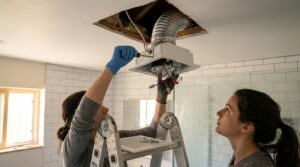
- Remove each supply and return vent cover by unscrewing or unclipping it. Most standard grilles have two screws or simply snap out with light pressure.
- Vacuum the inside face of each grille and the first 6 to 8 inches of the duct opening using a brush attachment. Pay special attention to return-air grilles, which collect the most debris.
- Wash plastic or metal grilles in warm soapy water, scrub with a brush, rinse, and dry completely before reinstalling. Never reinstall a wet grille.
- Wipe the area around each vent opening on the wall, floor, or ceiling to remove surface dust that will otherwise get pulled in during the next cycle.
- Reinstall all grilles, turn the system back on, and hold your hand over each supply vent to confirm you feel airflow. A noticeable improvement in airflow is a good sign the restriction has been relieved.
- Gather your supplies: a drill or screwdriver, a shop vacuum with a hose extension, a stiff-bristle brush or dryer vent brush, microfiber cloths, and a new air filter for after the job.
- Turn off the HVAC system at the thermostat and the breaker for safety. Cover supply vents you are not actively cleaning with paper towels or cloth to keep loosened debris from spreading.
- Remove each grille and vacuum the duct opening as far as the hose extension reaches, typically 2 to 4 feet. Use the dryer vent brush to loosen caked dust from duct walls before vacuuming.
- Clean return-air grilles and their duct openings last since they accumulate the most debris. Use the brush first, then vacuum thoroughly.
- Locate your air handler or furnace and vacuum around the blower compartment access panel. Wipe the accessible surfaces of the blower housing with a microfiber cloth. Do not touch electrical components.
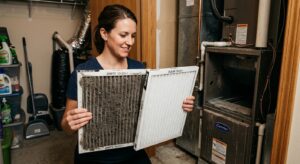
- Install a fresh air filter before restarting the system. The cleaning process dislodges debris that a dirty filter would fail to capture. Turn the system back on and run a full cycle to verify normal operation and airflow.
- Get at least two quotes from NADCA-certified duct cleaning companies. Be cautious of offers under $100, which are often bait-and-switch scams that do not include full system cleaning.
- Before the technician arrives, clear access to all vents, the air handler, and the furnace. Move furniture if vents are blocked.
- A professional service should include negative-pressure vacuuming of the entire duct system using truck-mounted equipment, mechanical agitation of duct walls, cleaning of the blower, evaporator coil, and drain pan.
- Ask the technician to show you before and after photos of the ducts and a written summary of what was cleaned. A reputable company will provide this without hesitation.
- After the service, replace your air filter immediately and ask the technician if they found any signs of mold, leaks, or damage in the duct system that would warrant follow-up repairs.
Why It Works: The Benefits
Restoring proper airflow through clean vents can reduce HVAC energy consumption by 10 to 25%, translating to $100 to $300 in annual savings for a typical 2,000 square foot home depending on climate and fuel costs.
Balanced airflow means every room receives its designed volume of conditioned air, eliminating hot and cold spots that often send homeowners chasing a thermostat solution for what is really a maintenance problem.
Running under high static pressure stresses the blower motor and can overheat the heat exchanger. Regular vent cleaning reduces this mechanical strain, potentially adding 2 to 5 years to your system’s service life.
A 2016 EPA study found indoor air can be 2 to 5 times more polluted than outdoor air. Cleaning vents removes accumulated dust, mold spores, and allergens before they get recirculated throughout your home during each heating or cooling cycle.
Clean vents reduce the debris load entering your filter, which can extend filter replacement intervals by 20 to 30% and lower the ongoing cost of filter replacements over a year.
💰 Savings Impact by Action
Removing debris from vents and grilles restores airflow and can cut HVAC energy use by 10 to 25% depending on how restricted the system was.
Replacing a clogged air filter in conjunction with vent cleaning reduces static pressure and can improve system efficiency by up to 10% immediately.
Sealing leaky duct joints with mastic or foil tape reduces conditioned air loss into unconditioned spaces, saving 15 to 30% on heating and cooling costs.
A full professional duct cleaning that includes the blower and coil can restore system efficiency by 15 to 25% in systems with years of accumulated buildup.
🏠 Key Concepts Explained
The Science Behind It
Your HVAC system is essentially a giant air-moving machine calibrated to move a specific volume of air, measured in cubic feet per minute, through your home. Engineers design duct systems with a target static pressure, usually between 0.1 and 0.5 inches of water column, that the blower motor is sized to overcome. When vents and ducts accumulate debris, that resistance increases, and the motor must work harder to maintain airflow. Since blower power consumption scales with the cube of fan speed in variable-speed systems and linearly with resistance in fixed-speed systems, even modest airflow restrictions translate into meaningful energy waste.
The heat exchange process inside your furnace or air conditioner is equally sensitive to airflow volume. An AC evaporator coil, for example, is designed to absorb a specific amount of heat from air moving across it at the rated cubic feet per minute. When airflow drops due to vent restrictions, the coil gets colder than designed, sometimes dropping below freezing. This causes ice to form on the coil, which further blocks airflow in a self-reinforcing cycle that can eventually cause the compressor to overheat or fail. On the heating side, restricted airflow over a furnace heat exchanger causes it to overheat and eventually crack, which is both an efficiency problem and a carbon monoxide safety hazard.
Return-air grilles deserve special attention because of how the system is designed to be balanced. A forced-air system pulls air out of rooms through returns and delivers it back through supplies in roughly equal volumes. When a return grille is clogged, the system develops negative pressure in that area, which causes it to pull air from wherever it can find it, often through gaps in the building envelope, crawlspace air, or attic air. This unplanned infiltration bypasses your filter entirely and can introduce humidity, allergens, and outdoor pollutants directly into your air stream, compounding both air quality and efficiency problems.
Frequently Asked Questions
▼ Why is my AC still running all day even after I cleaned the vents?
A dirty air filter, low refrigerant, or a failing blower motor can all cause continuous run times independent of vent cleanliness. Check your filter first since a clogged filter is the single most common HVAC restriction. If the filter is clean and runtime is still excessive, schedule a technician visit to check refrigerant charge and blower performance.
▼ Can renters clean their own vents without landlord permission?
Removing and washing vent grilles is a non-destructive maintenance task that virtually all landlords permit and most actually appreciate. You do not need permission to unscrew a grille, wash it, and reinstall it. However, if you discover mold or pest evidence inside ducts, notify your landlord in writing rather than attempting remediation yourself, since that is typically a landlord responsibility under habitability codes.
▼ How long before I actually notice savings on my bill after cleaning?
Most homeowners see the impact within one full billing cycle, roughly 30 days. Because utility bills compare month-over-month, make sure you account for seasonal weather differences when comparing. The clearest way to measure impact is to note how many hours per day your system runs before and after cleaning using a simple run-time log.
▼ What if my home is older than 30 years?
Older homes often have duct systems with deteriorated mastic sealant, disconnected joints, and significant leakage that vent cleaning alone will not fix. Clean the vents as described, but also look for signs of sagging flexible duct, disconnected joints in the attic or crawlspace, and rooms that never seem to reach comfort. An energy audit from a certified professional can identify whether duct sealing should be your next investment, which typically delivers 20 to 30% energy savings in leaky older systems.
▼ I cleaned the vents but one room still gets no airflow. What is wrong?
A single room with weak or no airflow usually points to a collapsed flexible duct, a disconnected duct joint, or a damper stuck in the closed position inside the trunk line. Pull back any insulation covering flexible duct runs in your attic or crawlspace and look for kinks, tears, or complete disconnects. A disconnected duct is a straightforward DIY repair using foil tape, but a stuck damper or damaged rigid duct may require a professional to access and repair.
Quick Tips
- Set a recurring calendar reminder every 3 months to visually inspect your return-air grilles. If you can write your name in the dust, it is past time to clean them.
- After cleaning, tape a small piece of tissue near a supply vent and watch it flutter when the system runs. Weak flutter compared to other vents signals a remaining restriction or a duct leak worth investigating.
- In homes with pets, check floor supply vents monthly because pet hair mats against the grille face quickly and can cut airflow significantly within weeks of a standard cleaning.
- When reinstalling cleaned grilles, take note of the airflow direction arrows stamped on adjustable supply vents and make sure they point in the direction that best serves the room layout.
Variations for Your Situation
- Apartment/Rental: Renters typically control only the vent grilles and the air filter. Focus on washing grilles every 3 months and upgrading to a MERV 8 filter to compensate for ducts you cannot clean directly. A small HEPA air purifier near the main return grille can also reduce the recirculated particulate load. Budget around $15 to $40 for filters and cleaning supplies per year.
- Tight Budget (under $50): Skip the shop vacuum and use a standard vacuum with a crevice tool plus an old paintbrush to loosen debris from grille faces and shallow duct openings. Wash grilles in the bathtub using dish soap at no extra cost. Prioritize cleaning the two or three largest return-air grilles first since they deliver the biggest airflow benefit. A $10 dryer vent brush extends your reach significantly and is the one tool worth buying.
- Older Home (pre-1980): Homes built before 1980 often have metal duct systems with degraded tape, fiberglass duct board that sheds particles, or asbestos-containing duct insulation in some cases. Before doing any deep cleaning, inspect visible ductwork for gray or white fibrous insulation material. If you suspect asbestos, do not disturb it and hire a certified inspector before proceeding. For confirmed non-asbestos systems, pair vent cleaning with a duct leakage inspection since sealing leaky older ducts often saves more energy than cleaning alone.