That rhythmic drip, drip, drip at 2 a.m. is not just costing you sleep. A faucet that drips once per second wastes approximately 3,153 gallons of water annually, according to the EPA’s WaterSense program. At average U.S. water rates, that translates to $20 to $35 per year from a single faucet, and many households have more than one leaking fixture without realizing it.
The good news is that you do not need a plumber or a toolkit to get through the night, and a permanent repair is often simpler than most homeowners expect. Whether you rent an apartment, own a 1960s ranch home, or just want the dripping to stop before sunrise, there is a practical path forward for your situation.
This post covers a zero-tool method you can use right now to muffle the sound, a DIY washer replacement that fixes most standard faucets for under $10, and guidance on when it makes sense to call a plumber. You will also find real water savings numbers, a troubleshooting section, and tips tailored for older homes and renters.
What You’ll Need
Click on an item below to shop for the recommended items for this recipe on Amazon.
As an Amazon Associate, we earn from qualifying purchases.
How to Do It
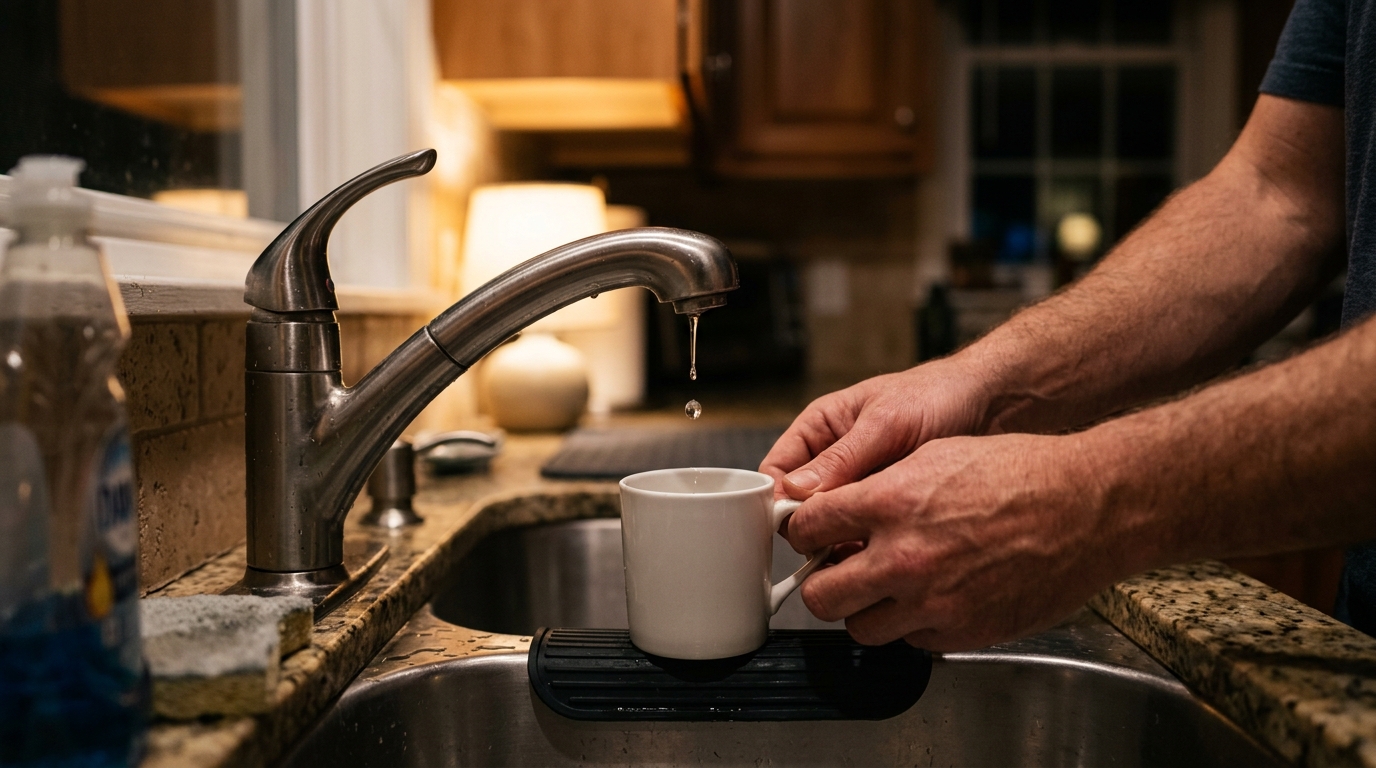
- Locate the dripping faucet and tie a piece of dental floss or a strip of cloth around the spout tip, letting it hang into the drain. The water will travel silently down the string instead of striking the basin with a loud drip.
- Alternatively, place a folded washcloth or small hand towel directly under the drip in the basin to muffle the impact sound entirely.
- If the drip is very slow, turn the faucet handle very gently just a fraction of a turn further closed. Do not force it or overtighten, as this damages the washer faster.
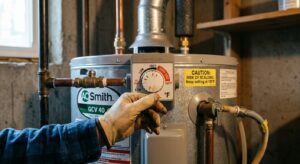
- For a hot-water side drip, turn down your water heater temperature slightly to reduce pressure on that line overnight, buying time until the repair.
- Make a note of which faucet is dripping and whether the drip comes from the spout (seal issue) or the base of the handle (O-ring issue), so your morning repair is faster.
- Turn off the water supply at the shutoff valves under the sink. Turn both hot and cold valves clockwise until they stop. Turn on the faucet to release any remaining pressure and confirm the water is off.
- Remove the decorative cap on top of the handle (it pops off with a flathead or your fingernail), then unscrew the handle screw underneath and pull the handle straight off.
- Unscrew the packing nut using an adjustable wrench, then pull out the stem by turning it counterclockwise as if you were opening the faucet.
- Examine the rubber washer at the bottom of the stem. If it is flat, cracked, grooved, or deformed, that is your culprit. Remove the brass screw holding it and press in a matching replacement washer from a hardware store assortment pack ($4 to $8).
- While the stem is out, inspect the valve seat inside the faucet body with a flashlight. If it looks pitted, rough, or corroded rather than smooth and shiny, use a seat wrench to resurface or replace it before reassembling.
- Reassemble in reverse order, turn the shutoff valves back on slowly, and test the faucet. The drip should be completely gone.
- Before calling, take photos of the faucet brand and model (often stamped on the base or inside the cabinet door), as this helps the plumber bring correct parts and saves time.
- Ask for a quote that covers both the diagnostic and any parts. A straightforward cartridge swap typically runs $100 to $175 in labor. Full faucet replacement with a new fixture costs $200 to $400 depending on the fixture you choose.
- If the faucet is being replaced anyway, use this as an opportunity to upgrade to a WaterSense-certified model, which uses at least 30% less water than standard faucets and often includes a longer warranty.
- Ask the plumber to inspect the shutoff valves under the sink while on site. Valves that have not been turned in years can seize or leak when disturbed, and catching that during the same visit avoids a second service call.
Why It Works: The Benefits
Fixing a single faucet dripping once per second saves roughly 3,153 gallons per year, cutting water costs by $20 to $35 annually. Homes with multiple leaks can save $75 to $100 or more per year.
Eliminating repetitive dripping noise removes a known sleep disruptor. Even low-decibel repetitive sounds at night elevate cortisol and reduce sleep depth, so the fix pays off in wellbeing, not just dollars.
Persistent moisture around a faucet base can degrade caulk seals, promote mold growth under sinks, and eventually damage cabinet bottoms. Catching and fixing a drip early avoids repairs that can cost hundreds of dollars.
Replacing a washer for $2 to $5 before the drip causes valve seat damage preserves the faucet itself. A valve seat repair or full faucet replacement runs $150 to $400 with a plumber.
If the drip is from a hot water handle, your water heater is continuously losing heated water and cycling to compensate. Fixing a hot-side drip can shave 3 to 5% off water heating costs.
💰 Savings Impact by Action
Fixing a dripping faucet eliminates up to 415 gallons of waste per month, reducing household water bills by roughly 10% for the average home with one or two leaks.
Stopping a hot-water-side drip reduces water heater cycling, saving 3 to 5% on water heating energy costs per repaired faucet.
The EPA estimates that fixing all easily corrected leaks in a home saves an average of 10 to 15% on total water bills annually.
Replacing an old faucet with a WaterSense-certified model during the repair reduces faucet water flow by at least 30% compared to pre-2010 standard fixtures.
🏠 Key Concepts Explained
The Science Behind It
Most residential faucets in homes built before 1990 use a compression mechanism: a rubber washer is mounted on a stem and physically pressed against a brass valve seat each time you close the faucet. This metal-on-rubber contact point is effective when both surfaces are smooth and the rubber is supple. Over thousands of open-and-close cycles, the washer compresses, flattens, and eventually develops grooves or cracks that prevent a complete seal. Water at typical household supply pressure of 40 to 80 psi exploits any imperfection and forces its way through as a drip.
The sound you hear at night is amplified by two factors. First, the impact of water droplets hitting a hard porcelain or stainless steel surface creates a sharp acoustic transient, essentially a small percussive event. Second, metal supply pipes act as a resonant cavity, transmitting vibration through walls to other rooms. At night, when ambient background noise drops by 20 to 30 decibels, these drips become surprisingly loud even though the actual sound level has not changed. The string or cloth trick works because it breaks the free-fall of the drip, replacing the hard impact with a silent capillary flow down the material into the drain.
From a water conservation standpoint, the math is straightforward. One drop of water is approximately 0.05 milliliters. At a drip rate of one per second, that is 4,320 milliliters per day, or about 4.3 liters, which scales to roughly 1,570 liters (415 gallons) per month. For a hot-water-side drip, your water heater continuously replenishes that lost heated water, meaning the energy cost compounds on top of the water cost. This is why the EPA estimates that fixing easily corrected household water leaks saves homeowners about 10% on their water bills collectively.
Frequently Asked Questions
▼ I replaced the washer but the faucet is still dripping. What did I miss?
The most common cause is a damaged or corroded valve seat. Shine a flashlight into the faucet body where the stem seats and look for pitting, roughness, or mineral buildup. A valve seat wrench ($8 to $15) lets you remove and replace or resurface the seat. If the seat looks severely pitted or the faucet is a cartridge or ceramic disc type, the cartridge itself may need replacement rather than just the washer.
▼ Can a renter fix a dripping faucet without the landlord’s permission?
Minor maintenance like replacing a washer is generally considered acceptable in most lease agreements, but confirm with your landlord first if you are unsure. The safer route is to notify your landlord in writing immediately, as they are typically required to fix plumbing issues within a reasonable timeframe. Until the repair is done, use the dental floss or cloth method to muffle the noise and document the drip with a short video in case you need to follow up.
▼ The drip is coming from the base of the handle, not the spout. Is that a different fix?
Yes, a drip from the handle base is typically a worn O-ring rather than a main washer issue. When you remove the stem during disassembly, look for one or two small rubber O-rings sitting in grooves along the stem body. Replace them with matching O-rings from a hardware assortment pack, apply a thin coat of plumber’s grease, and reassemble. This is usually a faster fix than replacing the seat washer.
▼ How long before I see savings on my water bill after fixing the drip?
Your next full billing cycle will reflect the change, typically 30 days. For a single drip at once per second, expect to see a reduction of roughly 415 gallons per month, which equates to $2 to $3 on most urban water bills. If you had multiple leaks or a faster drip rate, the savings will be more noticeable. Some utilities provide online dashboards where you can see daily usage drop almost immediately after the repair.
▼ What if I cannot turn off the shutoff valve under the sink?
Do not force a stuck shutoff valve, as it can crack or break. Instead, turn off the main water supply to the house (usually in the basement, utility room, or outside near the foundation), then proceed with the repair. After the job is done, this is a good time to have a plumber replace the stuck shutoff valve with a modern quarter-turn ball valve, which is easier to operate and far more reliable for future repairs.
Quick Tips
- Check all faucets in your home quarterly by placing a dry paper towel under each handle base and spout for 10 minutes. Any moisture indicates a slow leak you may not have noticed.
- When replacing a washer, coat the new washer lightly with plumber’s grease before reinstalling it. This extends its lifespan significantly and makes the faucet handle turn more smoothly.
- If you have hard water, consider adding an inline water filter or softener. Mineral deposits are the primary cause of valve seat corrosion and can cause new washers to fail in as little as one to two years.
- Take a photo of the disassembled stem before leaving for the hardware store. Store staff can match the washer size visually in seconds, saving you from buying the wrong size.
Variations for Your Situation
- Apartment or Rental: Renters should not attempt to access shutoff valves or disassemble faucet components without landlord approval. Instead, use the no-tool string or cloth method tonight to stop the noise, then send your landlord a written maintenance request with a photo or short video of the drip. Most states require landlords to address plumbing leaks within 30 days, and documenting it protects you. If the landlord is slow to respond, look up your local tenant rights for habitability standards.
- Tight Budget (Under $10): The dental floss or washcloth trick costs nothing and works immediately. If you decide to do the repair yourself, a universal washer assortment at a hardware store runs $4 to $8 and covers nearly every compression faucet. Skip the plumber’s grease if needed on a first repair, though it does extend washer life. Total investment under $10 with a same-day payback on water savings.
- Older Home (Pre-1980): Homes of this era almost universally use compression faucets, which are the easiest type to fix with a washer replacement. However, the shutoff valves and supply pipes may be galvanized steel or early copper with older fittings that have not been disturbed in decades. Turn all valves slowly and have a bucket and towels ready. If shutoff valves show rust streaks or feel very stiff, shut off the main supply instead and plan to replace the under-sink valves at the same time for around $15 to $25 in parts.